
Check out what’s clicking on FoxBusiness.com.
Key Takeaways
- **Significant Safety Recall for Flagship Model:** Toyota is recalling approximately 655,000 Camry Hybrid vehicles globally (over 500,000 in the U.S.) from model years 2025-2026 due to a software defect that can disable critical safety indicators like turn signals and hazard lights, posing a heightened risk of accidents.
- **Reputational & Financial Implications:** This recall represents a challenge to Toyota’s long-standing reputation for quality and reliability, potentially impacting consumer trust, future sales of its best-selling sedan, and incurring significant recall-related costs and possible regulatory scrutiny from bodies like the NHTSA.
- **Illustrates Industry’s Software Complexity:** The issue highlights a growing trend of software-related recalls in the automotive sector, underscoring the increasing complexity of modern vehicle electronics and the challenges automakers face in integrating advanced digital systems safely and reliably.
In a development that sent ripples through the automotive sector, Japanese auto giant Toyota has announced a substantial global recall affecting approximately 655,000 of its popular Camry Hybrid vehicles. The issue stems from a critical software glitch in the vehicle’s 7-inch display combination meter, which may fail to activate upon startup. This seemingly minor display error carries significant safety implications, as it can deactivate essential safety indicators such as turn signals, hazard lights, and crucial warning buzzers, including seat belt reminders.
The recall primarily targets model year 2025-2026 Camry Hybrids, specifically the LE, SE, and Nightshade trims, which are equipped with the smaller 7-inch driver display. Owners of XLE and XSE trims, featuring a larger 12.3-inch display, are unaffected. Of the global total, a substantial 508,354 units are located in the United States, prompting a swift response from the National Highway Traffic Safety Administration (NHTSA).
Vehicles involved in this recall were produced across Toyota’s manufacturing facilities in the U.S., Japan, and Thailand between December 2023 and July 2026. The broad production window for affected vehicles suggests that the software anomaly was embedded early in the production cycle of these new generation models, raising questions about quality assurance protocols during the design and initial manufacturing phases.
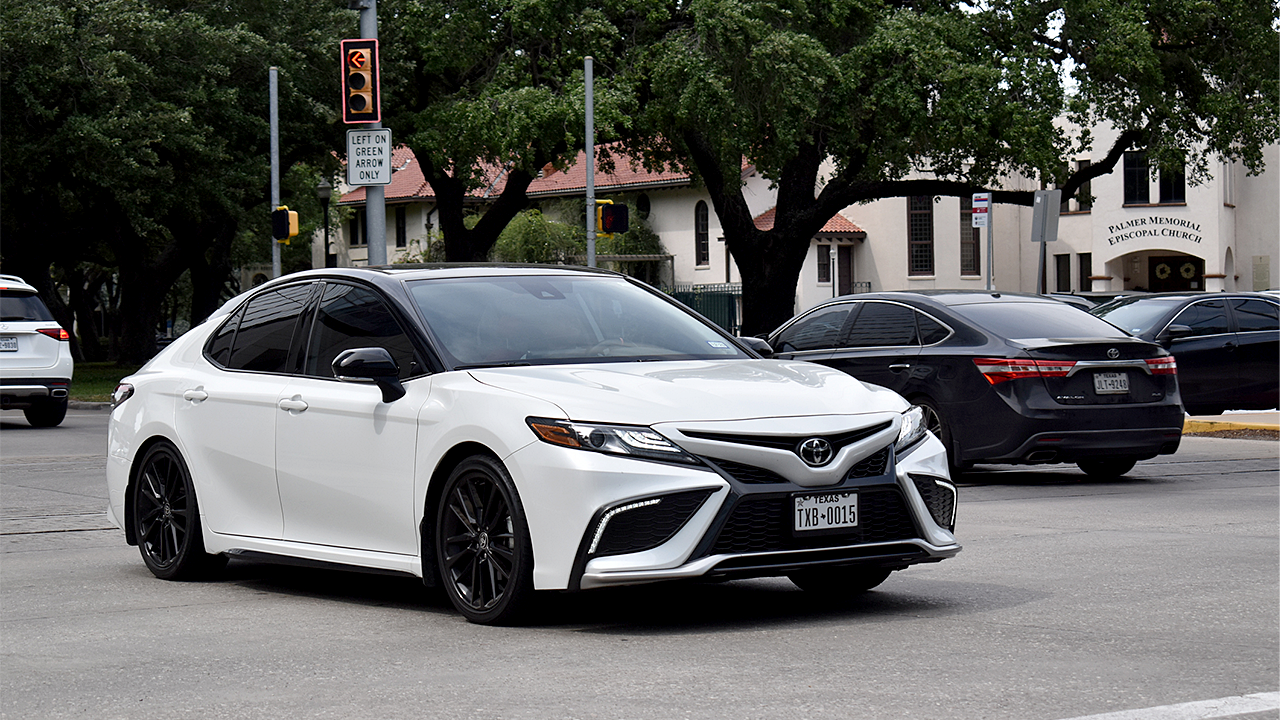
A total of 508,354 model year 2025-2026 Camry Hybrids in the U.S. are affected by the recall.(Getty Images / Getty Images)
The Technical Glitch and Safety Ramifications
Toyota acknowledged the defect, stating, “The 7-inch combination meter may become blank at startup. This can also deactivate the turn signal and hazard lamps and certain warning buzzer sounds (such as the smart key reminder and the driver/passenger seat belt reminder). This can cause the vehicle not to meet certain federal safety standards.” The automaker further elaborated on the potential consequences: “If certain required information is not displayed in the combination meter, if the turn signal/hazard lamps do not function, or if certain warning buzzers do not activate, there can be an increased risk of injury or a crash depending on the specific situation.”
The NHTSA’s warning reinforces the severity of the situation. A blank display can prevent drivers from receiving crucial information about their vehicle’s status, while non-functional turn signals and hazard lights pose a direct threat to road safety by preventing drivers from communicating their intentions to other motorists. This significantly elevates the risk of multi-vehicle collisions, especially in heavy traffic or adverse weather conditions. The absence of audible warnings for seatbelts or keys further compromises occupant safety and vehicle security.
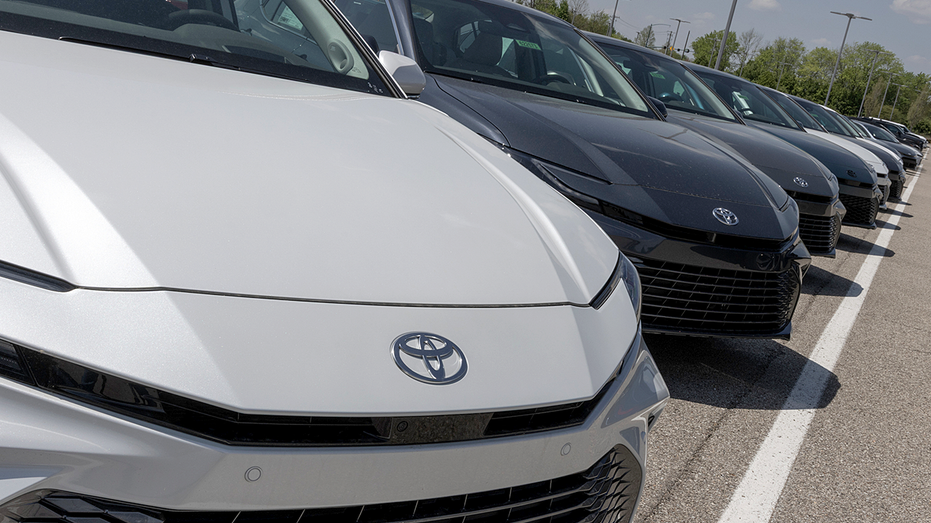
Turn signals, hazard lights and other warning buzzers may be deactivated due to the defect in affected vehicles.(Getty Images / Getty Images)
Toyota’s Reputation and the Hybrid Strategy Under Scrutiny
Toyota has long cultivated a market reputation synonymous with reliability, durability, and high quality. This recall, particularly affecting its best-selling Camry — a cornerstone of its North American sales and a global flagship — introduces an unwelcome challenge to that brand image. While recalls are a common occurrence across the automotive industry, one involving critical safety functions due to a software flaw in a newly introduced generation of vehicles can erode consumer confidence and prompt closer scrutiny from investors.
The fact that the recall specifically targets Camry Hybrid models adds another layer of complexity. Toyota has been strategically positioning hybrids as a crucial bridge technology in its journey towards full electrification, advocating for a multi-pathway approach to sustainable mobility. Any perceived vulnerabilities or quality issues within its hybrid lineup could inadvertently impact market perception of this strategy and potentially slow the adoption rate among consumers who prioritize reliability and proven technology.
The global recall involves vehicles produced between December 2023 and July 2026 across manufacturing facilities in the U.S., Japan and Thailand.(Smith Collection/Gado/Getty Images / Getty Images)
The Cost of Correction and Regulatory Oversight
Toyota Motor North America has pledged to notify owners of affected Camrys, instructing them to bring their vehicles to authorized dealerships for a complimentary software update. U.S. owner notification letters are slated to commence on September 21, with all expected to be dispatched by early October. While a software update is generally less costly and disruptive than a hardware component replacement, the sheer volume of vehicles involved – over half a million in the U.S. alone – will still incur substantial expenses for the company, including administrative costs, dealer labor, and potential goodwill gestures.
Beyond direct costs, Toyota faces the potential for regulatory fines from the NHTSA if the agency determines that the company was slow to identify the defect or report it. The incident also invites increased scrutiny on Toyota’s internal quality control and software development processes, which could lead to more rigorous oversight in the future. In an era where vehicles are becoming increasingly sophisticated computers on wheels, software integrity is paramount, and any lapse can have far-reaching consequences.
CLICK HERE TO GET FOX BUSINESS ON THE GO
Market Impact
Investors will be closely monitoring Toyota’s handling of this extensive recall. While the immediate share price reaction might see some downward pressure as market sentiment adjusts, the long-term impact will largely hinge on the efficiency and transparency of Toyota’s resolution process. A swift, effective fix and clear communication can mitigate reputational damage and reassure stakeholders. However, any delays, further complications, or a perceived lack of accountability could lead to more sustained erosion of shareholder value and market share, especially in the highly competitive North American sedan segment. This event also serves as a broader reminder to the automotive industry and its investors about the rising financial and reputational risks associated with the increasing integration of complex software systems in modern vehicles, where glitches can quickly translate into significant liabilities and regulatory headwinds.