
Key Takeaways:
- Nebula AI, a startup with a sole founder, Dr. Aris Thorne, has secured an astonishing $500 million seed round without a publicly defined product, signaling unprecedented investor confidence and market speculation.
- This colossal investment underscores the relentless “AI gold rush,” where venture capitalists are making massive bets on potential and talent over proven business models, driving sky-high valuations.
- Industry observers are deeply divided on Nebula AI’s prospects, with some hailing a visionary breakthrough and others cautioning against a familiar pattern of hype-driven investment outpacing tangible innovation.
Nebula AI: Half a Billion Seed, A Founder’s Enigma, and the AI Unknown
Call it a startup with a sole founder and a very large seed round, but what’s next is less clear. Nebula AI has landed an unprecedented $500 million in seed funding, igniting both excitement and skepticism across the tech landscape as the company’s vision remains shrouded in mystery.
The Funding Avalanche: Betting on the Jockey
In an era already defined by ambitious valuations and rapid-fire investments in artificial intelligence, Nebula AI has managed to shatter all previous benchmarks. The stealth-mode startup, founded and spearheaded by the enigmatic Dr. Aris Thorne, recently closed a staggering $500 million seed round. This isn’t just a large seed round; it’s a monumental declaration of faith, spearheaded by a consortium of Silicon Valley’s most prominent venture capital firms, including Andreessen Horowitz, Sequoia Capital, Lightspeed Venture Partners, and several prominent family offices known for their deep-tech bets. The terms of the deal, while undisclosed, reportedly value the nascent company at well over $2 billion pre-product, a valuation typically reserved for Series C or D rounds of established companies.
The sheer scale of this investment is a testament to the AI gold rush currently gripping the tech world. VCs, flush with capital and eager to secure a foothold in what many believe will be the defining technology of the next decade, are increasingly placing enormous wagers on charismatic founders with grand, albeit often vague, visions. “This is a bet on the jockey, plain and simple,” commented Sarah Chen, a partner at a rival VC firm, speaking anonymously. “Thorne has a track record, and in this market, that’s enough for some firms to write a blank check for a generational talent.”
Dr. Thorne: Visionary or Illusionist?
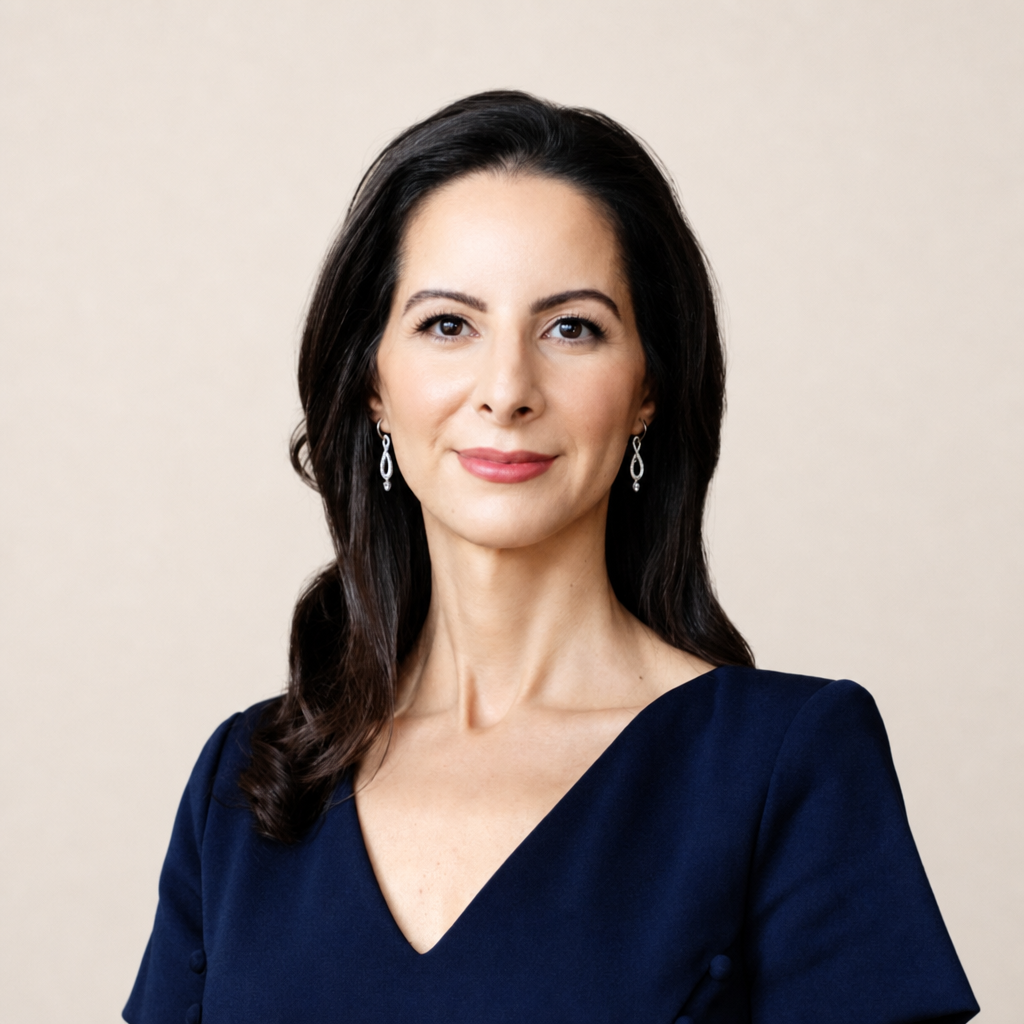
Central to the Nebula AI narrative is its sole founder, Dr. Aris Thorne. A reclusive but highly respected figure in the AI research community, Thorne previously led groundbreaking initiatives at two major tech giants, both of which saw their stock prices surge on the back of his innovations, though his projects often faced challenges in commercialization. Known for his intense intellectual curiosity and an almost evangelical belief in AI’s transformative power, Thorne has cultivated an aura of a lone genius on the cusp of a profound breakthrough. His public appearances are rare, and his pronouncements are typically terse, laden with philosophical musings on the future of consciousness and computation, rather than product roadmaps.
Insiders who have worked with Thorne describe him as brilliant but demanding, possessing an uncanny ability to attract top-tier talent and capital. Yet, questions linger about his commercial acumen. His previous ventures, while technically impressive, often struggled to translate scientific breakthroughs into sustainable market dominance, sometimes burning through significant capital before pivoting or being acquired for their IP. This history adds a layer of complexity to Nebula AI’s massive funding, casting Thorne as both a potential revolutionary and a high-stakes gamble.
The Enigmatic Product: Hyper-Personalization or Hyper-Hype?
Perhaps the most intriguing aspect of Nebula AI is the absolute lack of a concrete, publicly defined product. The company’s official mission statement speaks of developing “next-generation generative AI platforms for hyper-personalized content creation and dynamic digital experiences.” While evocative, this phrasing is broad enough to encompass everything from advanced large language models to bespoke AI agents capable of autonomous interaction. There have been no public demos, no whitepapers detailing technical specifications, and certainly no beta access for journalists or early adopters.
Sources close to the company suggest Nebula AI is working on a foundational model that goes beyond current multimodal AI, aiming for a truly empathetic and context-aware system. The vision is reportedly to create AI that doesn’t just generate content, but truly understands and anticipates human intent across a vast spectrum of digital interactions, from creative arts to scientific discovery. Skeptics, however, point out that such ambitious goals are common in early-stage AI pitches and often fail to materialize. “It sounds like a grand vision, but without substance, it’s just marketing,” says Dr. Emily Chang, a prominent AI ethicist. “The industry has seen this before – incredible promises that turn out to be vaporware or niche applications.”
The challenge for Nebula AI will be to translate this lofty rhetoric into demonstrable technology that can either compete with established players like OpenAI, Google, and Anthropic, or carve out an entirely new niche. Building in stealth allows for focused development, but it also means sacrificing early feedback and potentially missing shifts in a rapidly evolving market.
Market Reactions and the Bubble Question
The news of Nebula AI’s funding has sent ripples through the tech ecosystem. On one hand, it’s seen as a validation of the AI sector’s explosive growth and potential, fueling further investment and innovation. On the other, it intensifies concerns about a growing bubble, reminiscent of the dot-com era’s excesses or the more recent Web3 hype cycle. Valuations without clear revenue paths or even defined products raise alarm bells for seasoned observers.
“We’re witnessing an unprecedented level of capital flowing into unproven ideas, simply because they have ‘AI’ in the description and a well-known founder attached,” noted Michael Thorne (no relation to Aris Thorne), a financial analyst specializing in tech. “The risk here is immense. If Nebula AI doesn’t deliver something truly groundbreaking within a tight timeframe, that $500 million could become a very expensive lesson for a lot of very smart people.” The talent war is also heating up, with Nebula AI reportedly offering astronomical compensation packages to lure top AI researchers and engineers, further driving up costs across the industry.
The Path Ahead: High Stakes, Higher Expectations
With half a billion dollars in its coffers, Nebula AI has an enviable runway, but also an immense burden of expectation. Dr. Thorne and his soon-to-be-assembled team face the daunting task of not only building a revolutionary product but also defining its market, scaling its operations, and ultimately finding a sustainable business model. The pressure to deliver on the monumental promise is immense. Failure to do so could have ramifications beyond just the investors, potentially cooling the broader enthusiasm for AI startups and leading to a more cautious investment climate.
The coming months will be crucial for Nebula AI. Will it emerge from the shadows with a world-changing technology that justifies its colossal valuation? Or will it become another cautionary tale of ambition outstripping execution in a hyper-inflated market? For now, the tech world watches, captivated by the enigma of Dr. Aris Thorne and the half-billion-dollar bet on the unknown.
Bottom Line:Nebula AI’s extraordinary $500 million seed round, secured on the strength of its founder’s reputation and a nebulous product vision, crystallizes the high-stakes gamble defining the current AI investment landscape. While it could herald a paradigm-shifting innovation, the absence of a tangible offering amid such a massive valuation places enormous pressure on Dr. Aris Thorne to deliver, challenging the conventional wisdom of startup growth and testing the limits of investor faith in the AI frontier.
Source:{feed_title}