
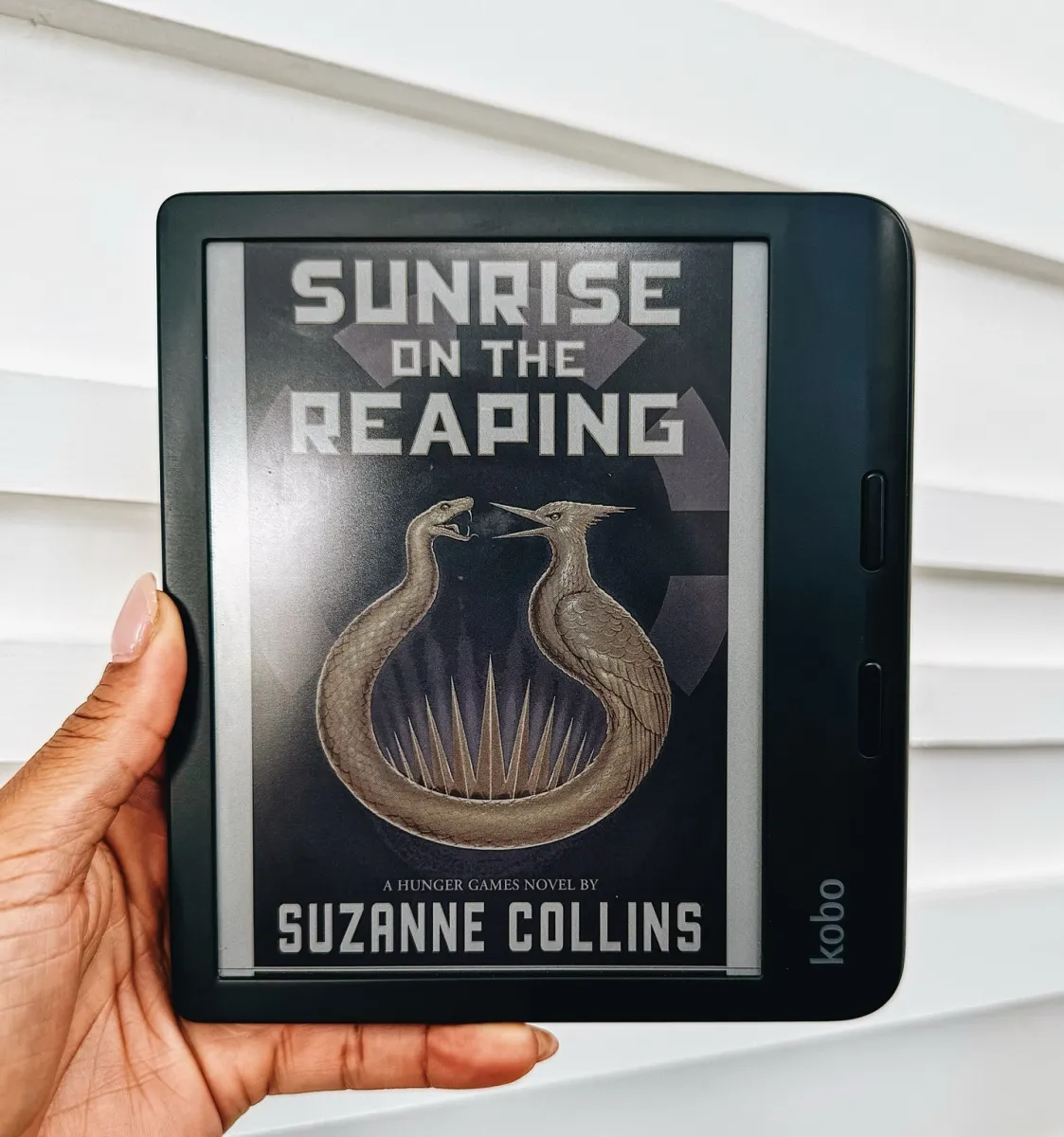
Another challenger to the Amazon Kindle-Goodreads book-tracking empire has emerged.
Key Takeaways
- The integration of StoryGraph with Kobo e-readers marks a significant shift in the digital reading landscape, offering a compelling alternative to Amazon’s entrenched ecosystem.
- This partnership empowers readers with automatic tracking and rich analytics on a non-Amazon device, fostering an open and data-rich reading community.
- The move reflects a broader cultural resurgence in reading, driven by online communities and a growing demand for diverse, device-agnostic digital book experiences.
Kobo Teams Up With StoryGraph: A New Chapter in the Battle Against Amazon’s Reading Empire
For years, Amazon’s Kindle and its subsidiary Goodreads have reigned supreme, creating an almost inescapable ecosystem for digital book lovers. But a formidable new alliance has just taken a significant swipe at this dominance. On Monday, Rakuten’s Kobo, a leading manufacturer of open e-readers, officially launched its long-anticipated integration with The StoryGraph, a popular and critically acclaimed book-tracking and community platform.
This partnership, first teased in May and now live for all Kobo account-based content, is more than just a convenient feature; it represents a strategic maneuver to democratize digital reading and offer users a robust alternative to Amazon’s walled garden. By becoming the first e-reader to integrate directly with StoryGraph, Kobo and StoryGraph are not just competing on price or device specs, but on the very fabric of the reading experience: community, data, and user freedom.
The Amazon-Goodreads Stronghold: A Decade of Dominance
Amazon’s dominance in the digital book market has been multi-faceted. It successfully cornered the market through aggressive pricing on e-books and devices, coupled with the acquisition of Goodreads in 2013. Goodreads became the de facto social network for readers, allowing them to track their reading, discover new titles, and connect with other book enthusiasts. Crucially, Goodreads offered seamless integration with Kindle devices, automatically syncing reading progress and making it incredibly convenient for users to stay within Amazon’s orbit.
This powerful combination created a formidable barrier to entry for competitors. While numerous Goodreads alternatives have emerged over the years, most struggled to gain significant traction. Their primary handicap? The inability to integrate directly with e-reading hardware, leaving users to manually update their reading progress – a friction point that Amazon cleverly eliminated for its own users. This lack of device-level integration meant that even the most innovative social reading platforms often felt like an add-on rather than an integral part of the reading journey.
A New Chapter for Open Reading: Kobo and StoryGraph Unite
The StoryGraph-Kobo integration fundamentally changes this dynamic. Now, when a user reads an e-book or audiobook on their Kobo device or via Kobo’s apps, their reading progress will automatically sync with their StoryGraph account. Finish a novel on your Kobo Libra 2? It’s instantly marked as “Read” on StoryGraph. Your reading stats update, your challenges progress, and your personalized recommendations refine – all without lifting a finger (beyond turning a page, of course).
This automatic synchronization is a game-changer. It removes the manual hassle that plagued previous Goodreads competitors and directly challenges Amazon’s key advantage. For readers seeking an alternative to the Kindle-Goodreads duo, this partnership offers a genuinely integrated and effortless experience, providing the convenience of Amazon without being locked into its ecosystem.
StoryGraph: Data-Driven Reading for the Modern Era
The StoryGraph itself is far more than just a basic reading tracker. Founded in 2019 by Black British engineer Nadia Odunayo and CTO Rob Frelow, it began as a passion project and quickly grew into a vibrant community of over 5 million readers, all without taking outside funding. Its appeal lies in its sophisticated analytics and community features.
Beyond merely logging books, StoryGraph provides readers with detailed charts and graphs about their reading habits. Users can track their reading moods, pace, genre preferences, and even emotional impact of books. This data empowers readers to understand their own habits better, discover new types of books, and even improve their reading pace or diversify their literary diet. The platform also boasts a thriving online community, complete with reading challenges, book clubs, and gamified “streaks” to keep readers motivated – a gamification we enthusiastically endorse when it encourages such a positive habit.
Kobo: The Open Alternative’s Strategic Move
Kobo has long positioned itself as the more open alternative to Amazon. Unlike Kindle, Kobo devices generally support a wider range of e-book formats and often offer a more customizable reading experience. By integrating with StoryGraph, Kobo reinforces its commitment to user choice and flexibility. This move not only enhances the value proposition for its existing 12 million users across 190 countries but also makes Kobo devices significantly more appealing to readers who feel constrained by Amazon’s proprietary approach.
The Resurgent Digital Reading Market
This strategic partnership unfolds against a backdrop of a global resurgence in reading, particularly in digital formats. Online communities like #BookTok, where millions share book recommendations and reviews, have reignited interest in literature among new generations. Data from Pew Research supports this trend, indicating that around three in 10 U.S. adults (31%) reported reading an e-book in the past year, a substantial increase from just 17% in 2011.
The market is ripe for innovation beyond Amazon. The startup Everand, which offers a vast marketplace for e-books and audiobooks, recently acquired Fable, another digital book community app, to offer a similar integrated experience – though without the direct hardware connection. This signals a clear industry trend: combining content access with social and tracking features is crucial for engaging modern readers. In this context, Kobo and StoryGraph’s hardware-software synergy gives them a distinct edge.
What This Means for Readers and the Industry
For individual readers, the Kobo-StoryGraph integration offers unprecedented freedom and insight. They can now choose a device that isn’t tethered to a single corporate giant, while still enjoying the convenience of automatic tracking and the rich community features they desire. This fosters a healthier, more competitive digital reading ecosystem, encouraging innovation and preventing any single entity from dictating the future of reading.
The integration doesn’t require a subscription, making its core benefits accessible to all Kobo users. For those who crave even deeper insights, StoryGraph offers a $5 per month Plus subscription that unlocks advanced stats, custom charts, and comparison tools. This tiered approach ensures accessibility while providing a sustainable business model for StoryGraph.
Looking ahead, this partnership could be a blueprint for future collaborations in the tech world, demonstrating how smaller, innovative platforms can disrupt entrenched monopolies through strategic alliances. It also begs the question: could Kobo, seeing the immense value of StoryGraph’s community and analytics, eventually eye the platform for its own M&A in the future, much like Amazon did with Goodreads? Only time will tell, but for now, readers have a powerful new choice.
The Bottom Line
The Kobo-StoryGraph integration is more than just a new feature; it’s a defiant step towards an open, reader-centric future for digital books. By delivering seamless tracking and a vibrant community directly to an Amazon alternative, this partnership not only enhances the reading experience for millions but also lays down a serious challenge to the status quo. It signals a new era where choice, data, and community, rather than a single corporate behemoth, will increasingly define the digital reading journey.
When you purchase through links in our articles, we may earn a small commission. This doesn’t affect our editorial independence.
{content}
Source:{feed_title}