
Check out what’s clicking on FoxBusiness.com.
Key Takeaways:
- Significant Financial Fallout:The recall of over 213,000 Goody King magnetic toy sets represents a substantial financial burden for importer Yi Suen Commerce, encompassing refund costs, logistical expenses, potential legal liabilities, and severe brand reputational damage.
- E-commerce Scrutiny Intensifies:The incident highlights persistent challenges in product safety oversight for goods sold via major online marketplaces like Amazon, potentially leading to increased regulatory pressure and stricter vendor vetting requirements across the e-commerce sector.
- Recurring Industry Challenge:This recall underscores the ongoing product safety dilemma within the magnetic toy market, reigniting debates about magnet strength regulations and the need for more robust quality control throughout the global supply chain, impacting consumer trust and purchasing behavior.
A major product safety recall is once again drawing attention to the vulnerabilities within the global toy supply chain, particularly for products sold through expansive e-commerce platforms. Over 200,000 magnetic building toys, imported by Yi Suen Commerce under the Goody King brand, have been pulled from the market due to a severe ingestion hazard. This action, following two instances where children required surgery after swallowing magnets, spotlights not only the immediate danger to consumers but also the profound financial and reputational risks for companies operating in this complex landscape.
The U.S. Consumer Product Safety Commission (CPSC) announced Thursday the recall of approximately 213,500 Goody King Magnetic Building Cubes and Blocks sets. The core issue lies in the structural integrity of the cubes, which can reportedly break or open, allowing small, powerful magnets inside to become loose and accessible to children. This defect creates an ingestion hazard that federal regulators warn could lead to serious internal injuries, including perforations, twisting, blockage of the intestines, blood poisoning, and even death. The financial implications for Yi Suen Commerce, a less visible player in the direct-to-consumer online market, are expected to be considerable, potentially encompassing the cost of refunds, recall logistics, and a significant blow to their operational viability.
TOYOTA RECALLS 655K CAMRYS GLOBALLY OVER DISPLAY DEFECT THAT CAN KNOCK OUT SAFETY INDICATORS
About 213,500 Goody King Magnetic Building Cubes and Blocks sets are affected by the recall.(U.S. Consumer Product Safety Commission)
The CPSC’s statement starkly outlines the danger: “When high-powered magnets are swallowed, the ingested magnets can attract each other, or other metal objects, and become lodged in the digestive system. This can result in perforations, twisting, and/or blockage of the intestines, blood poisoning and death.” Yi Suen Commerce has confirmed awareness of two children who ingested magnets from these cubes, necessitating surgical intervention – a grim testament to the hazard. Furthermore, the company has received at least 27 reports detailing the cubes breaking or opening and magnets becoming loose, indicating a systemic manufacturing or design flaw rather than isolated incidents. Each confirmed incident significantly escalates the company’s liability exposure, opening doors to potential personal injury lawsuits and increasing regulatory fines.
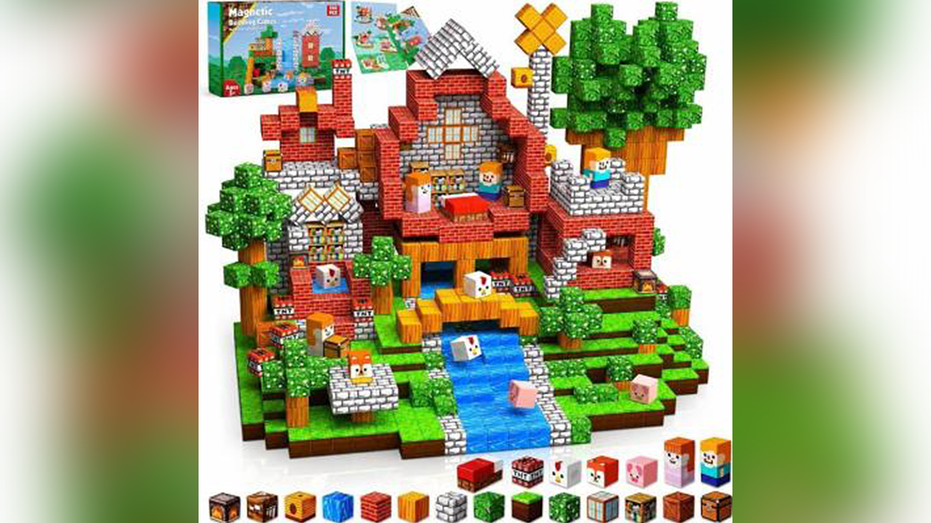
The building cubes can break or open, allowing the magnets inside to become loose, posing an serious ingestion hazard for children.(U.S. Consumer Product Safety Commission)
Consumers are strongly urged to immediately cease using the recalled magnetic building cubes and to contact Yi Suen Commerce for a full refund. While this is the standard procedure for recalls, the process itself represents a substantial operational and financial drain for the importer. Managing the return and refund process for over 200,000 units, many of which were sold through online channels like Amazon, requires extensive logistical coordination, customer service resources, and financial outlays that can cripple smaller enterprises. The cost of a recall often extends far beyond the direct refund, encompassing shipping, disposal, administrative overhead, and legal counsel.
POPULAR REESE’S, ALMOND JOY ICE CREAM BARS RECALLED OVER LABELING ERROR
This incident also casts a renewed spotlight on the broader magnetic toy segment. The market has a troubled history, marked by previous high-profile recalls and regulatory actions, most notably against products like Buckyballs. The inherent appeal of powerful magnets for creative play often clashes with the serious risks they pose if ingested, leading to a continuous regulatory tightrope walk. This latest recall could trigger further scrutiny from the CPSC and other international regulatory bodies, potentially leading to updated safety standards or more stringent enforcement for all magnetic toy manufacturers and importers, irrespective of their size.
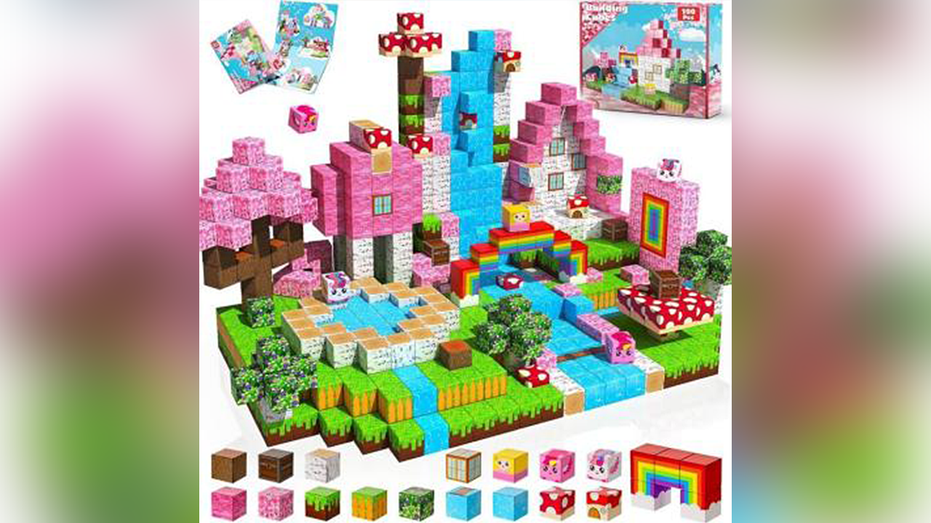
Importer Yi Suen Commerce is aware of two children who have ingested magnets from the cubes and needed surgery to remove them.(U.S. Consumer Product Safety Commission)
The fact that these toys were sold online at Amazon from January 2024 through July 2026 (a future date suggesting a potential error in the original article, likely meant as ‘January 2024 through July 2024’ or ‘January 2024 with a potential sales window extending to July 2026 if not recalled earlier) for prices ranging between $17 and $50 in sets of various quantities (45 to 300 pieces) highlights the critical role of e-commerce platforms. While Amazon acts as a marketplace, incidents like this inevitably raise questions about the platform’s responsibility in vetting third-party sellers and ensuring the safety compliance of products sold through its vast ecosystem. Increased incidents could lead to Amazon implementing stricter requirements for sellers, more rigorous product testing mandates, or even direct intervention in product safety checks for high-risk categories, potentially increasing operational costs for sellers and influencing listing policies.
CLICK HERE TO GET FOX BUSINESS ON THE GO
For Yi Suen Commerce, the financial impact will be multifaceted. Beyond the direct costs of the recall, the brand “Goody King” will suffer severe, potentially irreversible, reputational damage. This will likely translate into a significant decline in future sales, difficulty in securing new retail partnerships, and increased scrutiny from supply chain partners and consumers alike. Smaller importers, often with leaner operating margins, are particularly vulnerable to such events, which can easily lead to insolvency. The underlying manufacturing source, likely in Asia, will also face scrutiny and potential loss of contracts, illustrating the ripple effect throughout the global production network.
The cubes, designed to stick together to create 3D designs, were marketed in various themed designs and colors, tapping into popular children’s interests. This broad appeal and widespread online availability underscore the challenge of quickly identifying and rectifying safety issues in a diffuse market. As toy sales continue to pivot towards online channels and global sourcing remains the norm, the balance between innovation, affordability, and critical product safety becomes an ever more delicate and financially consequential equation.
Market Impact
This recall, while specific to one importer and product line, sends broader reverberations throughout the toy industry and the e-commerce sector. For toy manufacturers and importers, particularly those dealing in magnetic components, it serves as a stark reminder of the paramount importance of robust quality control, adherence to evolving safety standards, and comprehensive product liability insurance. Investors in publicly traded toy companies will be watching closely for any subsequent industry-wide regulatory shifts that could impact production costs or market access. For e-commerce giants like Amazon, such incidents intensify pressure from regulators and consumer advocacy groups to enhance seller vetting and product safety oversight, potentially leading to platform policy changes that could affect thousands of third-party merchants and their profitability. Ultimately, this event reinforces the notion that product safety failures are not merely consumer issues but significant financial risks that can undermine brand equity, trigger costly legal battles, and reshape competitive landscapes.