
Key Takeaways:
- Global Spyware Alert:Apple has issued a new wave of threat notifications to users in 110 countries, warning them of potential mercenary spyware attacks, bringing the total to over 150 countries where users have been alerted since 2021.
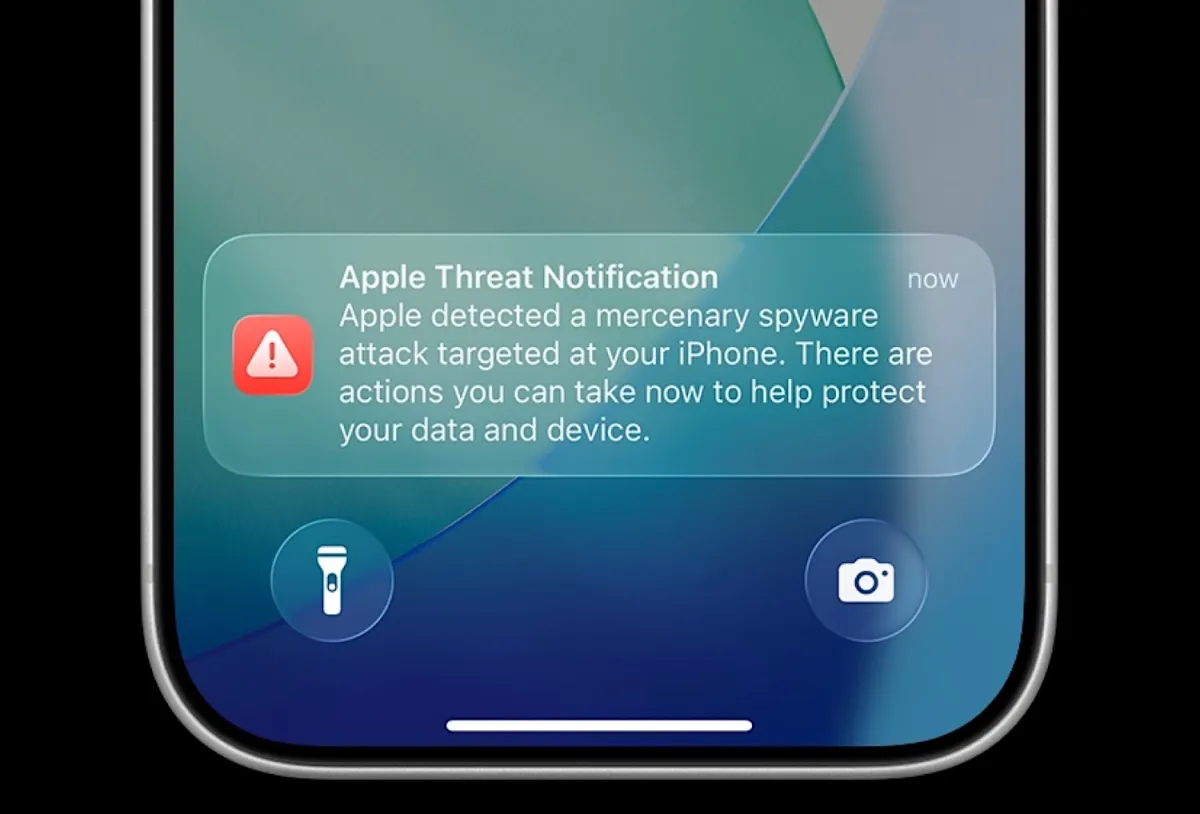
- Enhanced User Experience:The tech giant has updated its notification system to deliver direct push notifications to iPhone lock screens, along with emails and in-account alerts, making immediate action and access to protective advice more prominent.
- Critical Protection:Users receiving these alerts are urged to activate Lockdown Mode immediately, a security feature that has proven highly effective against sophisticated spyware, and to seek expert assistance to safeguard their data and devices.
In a significant move underscoring the growing threat of sophisticated digital surveillance, Apple has dispatched a fresh round of urgent notifications to customers globally. These alerts target individuals who the tech giant suspects have been specifically targeted by mercenary spyware – malicious software capable of deeply compromising devices like iPhones, iPads, and Macs. This type of spyware is notoriously potent and is typically employed by state-sponsored actors and governments for surveillance purposes.
The latest batch of notifications, sent out on Thursday, reached users across an expansive 110 countries, as confirmed by Apple to TechCrunch. This adds to a cumulative total of over 150 countries where Apple has previously informed customers of such threats since its alert system was first introduced in 2021. The sheer breadth of this global outreach paints a stark picture of how widely government-grade surveillance technology has proliferated and is being deployed around the world.
Understanding the critical nature of these warnings, Apple has also refined its delivery mechanism. A new support article on its website details how users will now receive a direct push notification on their iPhone lock screen, designed to immediately grab attention and prompt action. This update aims to streamline the process, making it significantly easier for recipients to access crucial information and guidance on their next steps. The notification is direct and unequivocal, stating: “Apple detected a mercenary spyware attack targeted at your iPhone. There are actions you can take now to protect your data and device.” Beyond the lock screen alert, Apple continues to send notifications via email and upon login to users’ Apple accounts, ensuring multiple touchpoints for critical information dissemination.
The digital research group Citizen Lab, a prominent watchdog in the realm of state-sponsored hacking, first drew attention to this latest wave of spyware notifications. John Scott-Railton, a senior researcher at Citizen Lab, highlighted the alerts in a widely shared thread on X, emphasizing the gravity of the situation.
Receiving such a notification is not to be taken lightly. While it doesn’t definitively confirm a successful breach, it signals a high probability of a targeted attack. Immediate and decisive action is paramount. Apple’s advice includes activating Lockdown Mode, a robust security feature specifically engineered to harden a device against sophisticated cyberattacks. Lockdown Mode significantly restricts certain functionalities to minimize potential attack vectors, making it exceedingly difficult for spyware to succeed. Notably, Apple states that it has yet to observe a single instance where a device was compromised while Lockdown Mode was actively enabled.
While sophisticated spyware attacks remain relatively rare for the average user, the increasing availability and deployment of this surveillance technology have enabled its abuse against a broader spectrum of individuals. Critics, journalists, human rights activists, and members of civil society are frequently targeted by governments seeking to monitor or silence dissent. The proliferation of tools like Pegasus and similar mercenary spyware has raised serious concerns about digital privacy and fundamental human rights globally.
John Scott-Railton of Citizen Lab lauded Apple’s updated push notifications as a “big improvement” over the initial alerts launched in 2021. He underscored the profound impact these notifications have on uncovering and combating digital surveillance. “Notifications create a critical signal that a community is being targeted. People get an alert, and then some of them reach out and seek help. Often this kicks off an investigation that reveals many, many more cases,” Scott-Railton explained. This investigative ripple effect is crucial, as individual alerts can collectively expose broader, systemic campaigns of digital repression.
Scott-Railton cited the unfolding scandal in Poland as a prime example of the power of these alerts. He noted that without Apple’s notifications, “that entire massive scandal about spyware abuse in the Polish election wouldn’t have been uncovered.” The ability of these alerts to spark public and legal investigations into state-sponsored hacking underscores their significance not just for individual security, but for upholding democratic integrity and human rights on a global scale. As the digital threat landscape continues to evolve, Apple’s proactive defense and transparent communication serve as a vital line of defense for its users worldwide.
Bottom Line:
Apple’s latest global spyware warnings, now delivered with enhanced urgency via lock screen notifications and robust protective measures like Lockdown Mode, underscore a critical battleground in digital security. These alerts are more than mere technical notifications; they are vital intelligence, empowering targeted individuals to defend themselves and, in doing so, often exposing larger patterns of state-sponsored surveillance and abuse. In an era where mercenary spyware poses a significant threat to privacy, civil liberties, and democratic processes, Apple’s commitment to directly informing and equipping its users represents a crucial front-line defense against the insidious spread of digital repression. Users must take these warnings seriously and act decisively to protect their digital lives.
When you purchase through links in our articles, we may earn a small commission. This doesn’t affect our editorial independence.
{content}
Source:{feed_title}