
Key Takeaways:
- Microsoft is strategically merging its consumer-facing Copilot and business-focused Microsoft 365 Copilot apps into a single, unified platform to simplify user experience.
- The company is discontinuing several underperforming or experimental AI features, including Group Chats, AI-generated podcasts, Copilot Labs, and the Mico animated character.
- This consolidation and feature culling underscore Microsoft’s commitment to creating a more focused, competitive, and impactful AI assistant that “earns its right to exist” in users’ daily lives.
Microsoft’s AI Reset: Copilot Consolidates, Culls Features in Strategic Simplification
Two years ago, Microsoft boldly declared artificial intelligence a “generational shift” in technology, positioning itself to lead this transformative wave with its ambitious Copilot initiatives. Fast forward to today, that leadership path involves a significant recalibration: a strategic merger of its disparate Copilot-branded consumer and business applications, coupled with the decisive culling of several unsuccessful AI features.
This move, initially reported by GeekWire and subsequently detailed in Microsoft’s support documentation, marks a crucial pivot. The tech giant will combine the functionalities of its consumer-facing Copilot app with the more business-oriented Microsoft 365 Copilot app. This unification is more than just a logistical adjustment; it’s an acknowledgement that the lines between personal and professional AI use have blurred, and that Microsoft’s prior, fragmented strategy was proving too complex to allow Copilot to effectively compete with rivals like OpenAI’s ChatGPT, Anthropic’s Claude, and Google’s Gemini.
Streamlining the Experience: One Copilot for All
The decision to merge the two versions of Copilot addresses a core challenge: user confusion. In an increasingly crowded AI landscape, simplicity and a clear value proposition are paramount. Microsoft’s dual-app approach, while perhaps well-intentioned for specific user segments, likely led to feature sprawl and a diluted brand identity. By consolidating, Microsoft aims to offer a “simpler, more cohesive experience,” allowing users to access a unified set of AI capabilities regardless of whether their task is personal productivity or professional collaboration.
This strategic streamlining aligns with a broader trend across the AI industry. We’ve seen similar consolidation efforts recently, with Anthropic merging its “Cowork” features directly into its main Claude chat interface, OpenAI integrating its agentic “Operator” functionality into ChatGPT, and Google continually enhancing its Gemini app with specialized capabilities like deep research and web browsing, all within a single interface. The message is clear: users want powerful, integrated AI, not a confusing ecosystem of niche tools.
The Feature Purge: What’s Being Left Behind
Beyond the merger, Microsoft is also making tough decisions about which features make the cut. By August 18, 2026, consumers will lose access to several experimental and seemingly underperforming features. These include “Group Chats,” a collaboration tool that perhaps didn’t find its footing; “AI-generated podcasts,” which might have been a novelty that failed to gain traction; and “Copilot Labs” experimental features, which serve their purpose in early testing but may not have matured into broadly useful tools. Additionally, the “Deep Research” feature for consumers will be retired, though paying professional users will see “Researcher” offered as a replacement, indicating a differentiation in advanced analytical capabilities.
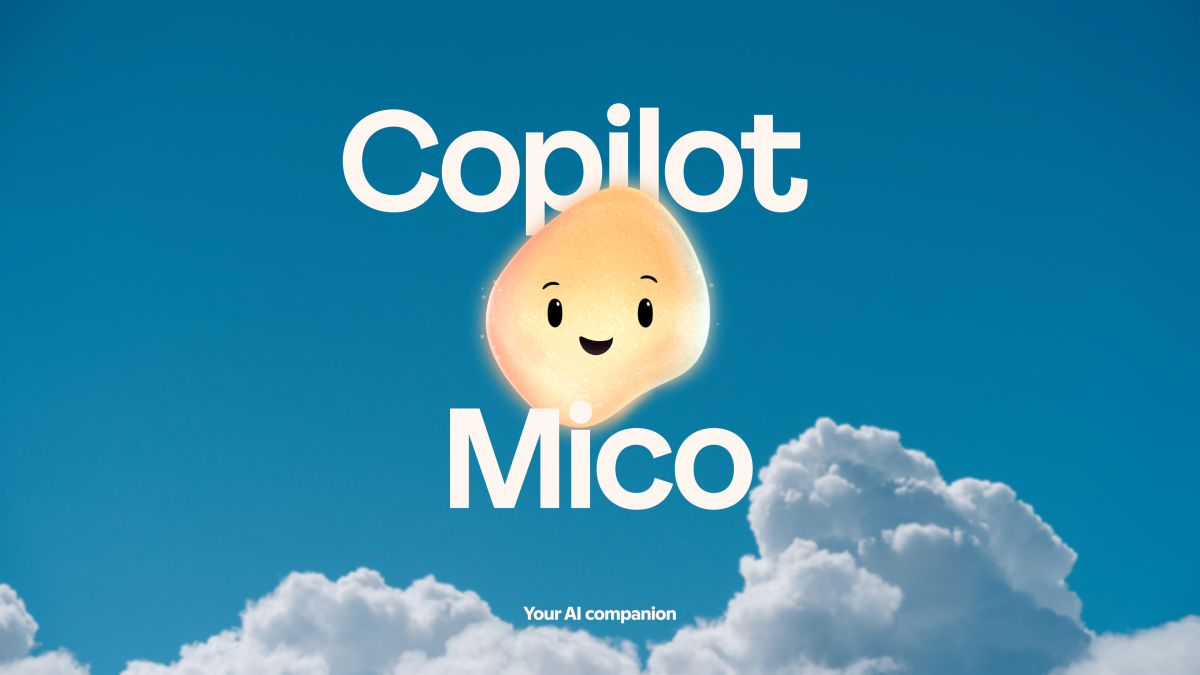
Perhaps the most symbolic cut is the ditching of Copilot’s goofy animated character, “Mico.” This floating blob, which drew immediate comparisons to the much-maligned Clippy of Microsoft Office fame, likely served as a distraction rather than an enhancement to the user experience. Its removal signals a move towards a more serious, utility-focused AI assistant, shedding any remnants of cutesy novelty. Microsoft also warns that other features may temporarily disappear during the transition, with files generated by the standalone Copilot app being migrated to OneDrive, ensuring data continuity for users.
Earning the Right to Exist: A Candid Assessment
The underlying motivation for this significant overhaul was candidly expressed in an internal memo last July. Jacob Andreou, Microsoft EVP overseeing Copilot, reportedly stated that the app needed to “earn the right to exist” in its customers’ lives. This powerful phrase underscores a critical self-assessment within Microsoft: Copilot, despite its ambitious launch and integration with powerful large language models, had yet to fully demonstrate indispensable value for many users.
The “earn the right to exist” mandate necessitates a ruthless focus on core utility, user adoption, and competitive differentiation. It means moving past features that don’t resonate, simplifying the user journey, and ensuring that every component of Copilot delivers tangible benefits. This isn’t just about technical prowess; it’s about solving real problems for real people, consistently and intuitively. For a product backed by a tech giant, such an internal admission speaks volumes about the fierce competition and high stakes in the AI race.
For users, this strategic shift promises a less confusing, potentially more powerful, and certainly more streamlined AI assistant. While some niche features may be missed, the overall goal is a more robust and integrated Copilot that can truly become an indispensable part of their digital workflow, seamlessly augmenting tasks across Windows, Microsoft 365 applications, and the web. The next phase for Copilot will likely be defined by deeper integration, refined capabilities, and a relentless pursuit of practical utility, all within a single, unified interface.
When you purchase through links in our articles, we may earn a small commission. This doesn’t affect our editorial independence.
Bottom Line:
Microsoft’s decision to merge its Copilot applications and prune underperforming features is a decisive strategic maneuver. It signals a shift from broad experimentation to focused execution, acknowledging past complexities and the imperative to deliver clear, indispensable value in a hyper-competitive AI market. By simplifying its offering and concentrating resources on core utility, Microsoft aims to solidify Copilot’s position as a truly essential, unified AI companion, proving it has indeed “earned the right to exist” in the daily lives of millions.
Source:{feed_title}