
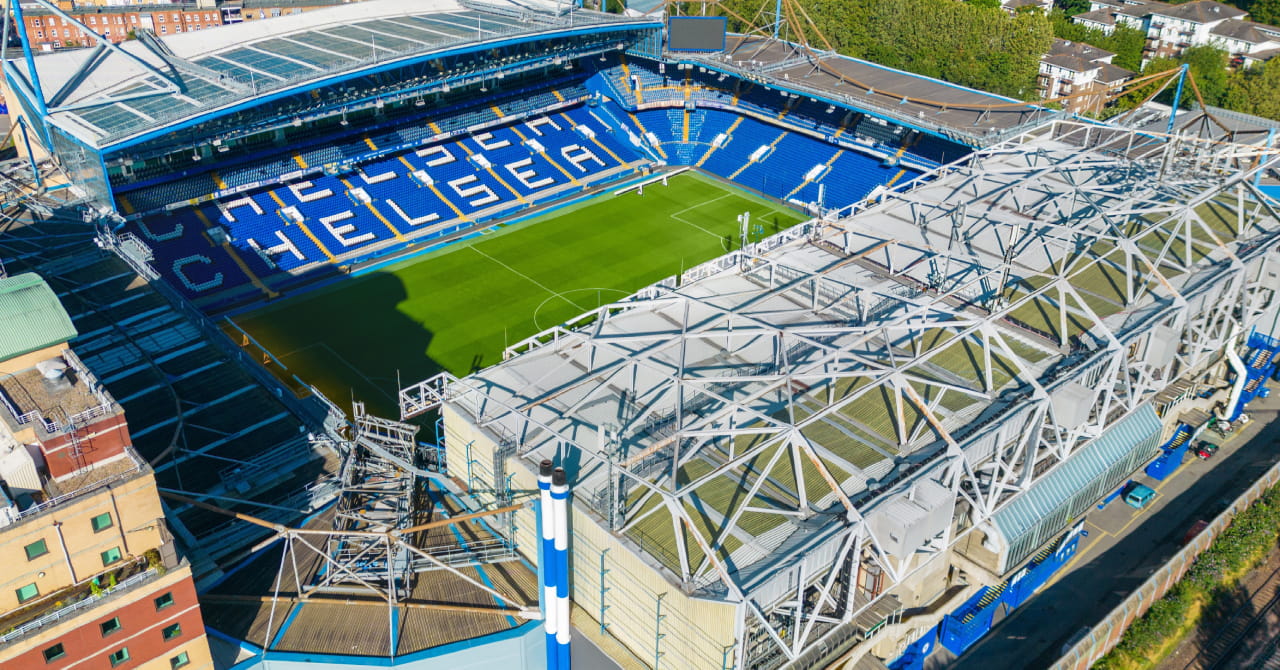
Stamford Bridge Power Play: Ownership Drama Reaches Fever Pitch!
Stamford Bridge, a ground usually reverberating with the roar of the faithful, is currently a crucible of high-stakes corporate drama. The boardroom battles at Chelsea FC are mirroring, if not outshining, the unpredictable chaos witnessed on the pitch over the past two seasons. Reports from the Financial Times have sent shockwaves through the football world: Chelsea chairman Todd Boehly and co-controlling owner Mark Walter are reportedly deep in discussions to offload their significant 12.8 per cent stakes in the club to majority shareholder Clearlake Capital. This isn’t just a routine transaction; it’s a potential seismic shift that could redefine the very fabric of one of European football’s giants, valuing the club at an eye-watering £5 billion.
This isn’t merely about shifting equity; it’s about resolving the simmering tensions that have reportedly plagued the club’s ownership consortium since they swept into West London in May 2022. The initial £2.5 billion purchase, coupled with a staggering £1.75 billion commitment for future investment, was hailed as the dawn of a new era post-Roman Abramovich. Yet, two years on, that era has been less a steady sunrise and more a series of blinding flashes and bewildering shadows. The vision, initially presented as unified and ambitious, has seemingly fractured under the immense pressure of managing a global football institution amidst unprecedented spending and often, underwhelming results.
The reported £5 billion valuation for Chelsea is itself a point of intense scrutiny. While major clubs are indeed appreciating assets, this figure, applied to a club that has navigated a maelstrom of managerial changes, a revolving door of players, and a dramatic dip in on-field performance since the takeover, raises eyebrows. It speaks to the perceived growth potential of Premier League clubs and the global brand Chelsea still commands, despite recent sporting disappointments. However, it also highlights the aggressive financial strategies at play, where market value can sometimes diverge sharply from immediate sporting success. Clearlake Capital, already holding a commanding 61.5 per cent stake, stands poised to consolidate power, a move that could either bring much-needed stability or further entrench a specific strategic direction.
The Walter Factor: A Catalyst for Change?
Adding another layer of intrigue to this already complex narrative is the recent activity surrounding Mark Walter. Last week, Walter agreed to sell his stake in the NBA’s Los Angeles Lakers, a deal reportedly valued at $12 billion (£9.4 billion). While not directly linked to Chelsea on the surface, this divestment from another major sports franchise occurs concurrently with heightened scrutiny from the US attorney’s office. The Wall Street Journal’s report detailing an investigation into billions in loans linked to Walter or his TWG Global holding company introduces a potent external pressure. While TWG Global has asserted good faith and cooperation, the shadow of such an investigation can undeniably accelerate decisions regarding high-profile assets. The clauses preventing major shareholders from selling to outside investors for the first ten years of ownership further funnels Boehly and Walter’s options, making Clearlake or Hansjorg Wyss the only viable buyers. This legal and financial backdrop for Walter makes the timing of these Chelsea talks feel less like a coincidence and more like an urgent strategic maneuver.
Boehly and Walter, also co-owners of the Los Angeles Dodgers (MLB) and the Los Angeles Sparks (WNBA), represent a specific brand of American multi-sports ownership. Their initial approach to Chelsea, characterized by a rapid overhaul and significant investment, drew both praise for ambition and criticism for a perceived lack of understanding of football’s unique ecosystem. The potential sale of their stakes signifies a crucial juncture not just for their personal investment portfolios but for the future direction of Chelsea Football Club. Will Clearlake’s potential full control lead to a more streamlined, consistent approach, or will it merely exchange one set of power dynamics for another?
Ownership Showdown: Key Plays & Turning Points
To understand the current crossroads, let’s rewind and dissect the critical moments in this high-stakes ownership drama, much like a tactical breakdown of a tense match:
- Kick-off (May 2022): The BlueCo Arrival.Following Roman Abramovich’s forced sale, the consortium led by Boehly and Clearlake steps in. Promises of stability, long-term vision, and sustained success ignite fan optimism. Initial investment: £2.5bn acquisition, £1.75bn future commitment.
- First Half Frenzy (Summer 2022 – January 2023): Transfer Blinders and Managerial Mayhem.Boehly takes the chairman’s reins. A staggering, unprecedented spending spree begins – over £600 million in one year alone. Thomas Tuchel, a Champions League-winning manager, is abruptly sacked. Graham Potter is brought in, a bold but ultimately unsuccessful move, reflecting a frantic search for direction.
- Mid-Game Meltdown (2023-2024 Season): The High-Cost, Low-Return Saga.More mega-money signings, but cohesion remains elusive. Potter is out. Frank Lampard takes an interim role in a dismal end to the season. Mauricio Pochettino arrives, promising a new era, but the team’s performances remain inconsistent, ultimately leading to his departure after just one season. The club’s substantial outlay consistently fails to translate into sustained on-pitch success, fueling internal and external frustrations.
- Strategic Foul (Emerging Tensions): Whispers Turn to Roars.Reports begin to surface of internal disagreements within the ownership group. Strategic misalignments, differing investment philosophies, and the pressure of underperformance start to fray relationships. Key decisions requiring approval from Boehly, Behdad Eghbali, and Jose E Feliciano (Clearlake) become more challenging.
- Red Card? (Walter’s Legal Scrutiny): External Pressures Mount.Mark Walter’s sale of the Lakers, coinciding with a US attorney’s office investigation, adds significant pressure. While separate, it could expedite his desire to divest other high-profile assets, including his stake in Chelsea.
- Halftime Huddle (Current Talks): The Power Play Intensifies.The Financial Times reports discussions between Boehly/Walter and Clearlake Capital for a stake sale. This is the crucial juncture, potentially leading to a dominant Clearlake ownership structure. The future of the chairman role, set to switch to Clearlake next May, adds another layer to these complex negotiations.
Prediction: A New Era of Centralized Power?
The writing appears to be on the wall. Given the reported internal tensions, the external pressures on Mark Walter, and the existing clauses limiting external sales, it is highly probable that Todd Boehly and Mark Walter will indeed sell their stakes to Clearlake Capital. This move is less about a full exit from the club’s broader strategy (as Boehly’s role as chairman transitions to Clearlake anyway next May) and more about a significant consolidation of power within Clearlake. Expect a more streamlined, albeit potentially less publicly fronted, ownership structure.
With Clearlake Capital at the helm with an even stronger majority, we could see a shift towards a more traditional private equity approach: greater emphasis on long-term, sustainable growth, potentially less impulsive transfer market activity, and a stronger focus on financial prudence alongside sporting ambition. The era of the “celebrity owner” fronting every major decision might recede, making way for a more corporate, committee-driven leadership. This could, paradoxically, bring a much-needed sense of stability to the club, allowing the newly appointed Enzo Maresca and his team to operate with a clearer mandate, free from the shadow of overt boardroom power struggles. However, it also raises questions about accountability and the direct connection between owners and the fan base. The immediate future for Chelsea hinges on the swift, decisive, and transparent conclusion of these talks, paving the way, hopefully, for a period of calm and concerted effort to restore the club’s formidable sporting reputation on the pitch.