
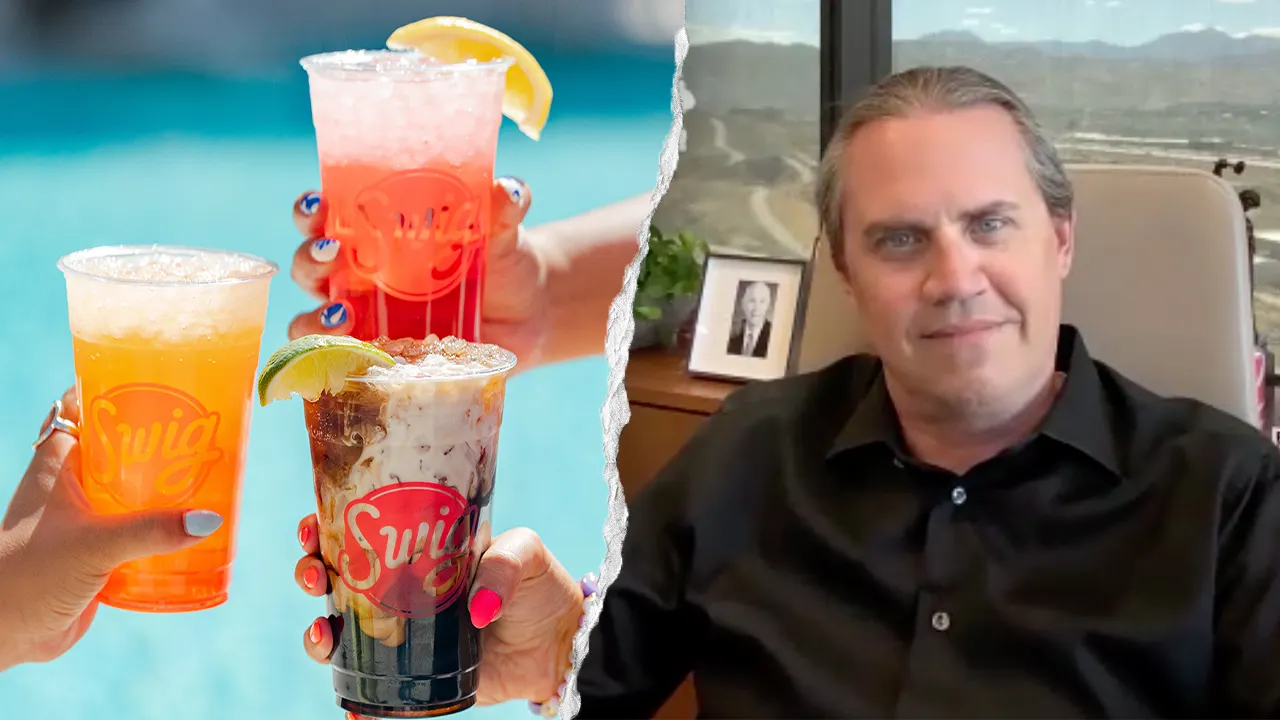
Savory Fund co-founder Andrew K. Smith breaks down Swig’s rapid expansion and why the restaurant-focused private equity firm invested in the dirty soda chain.
Key Takeaways:
- **Scalable Niche Concepts:** Swig’s significant out-of-state growth (40-50% better performance) underscores the market potential for hyper-customizable, “affordable luxury” beverage concepts to transcend regional origins and achieve national scalability.
- **Private Equity’s Strategic Vision:** Savory Fund’s investment in Swig exemplifies a private equity strategy focused on identifying and backing strong founders in resilient sectors like restaurants, particularly those capable of “Starbucksification” – transforming everyday consumables into premium, experiential purchases.
- **Restaurant Sector as Economic Barometer:** The restaurant industry continues to serve as a crucial real-time indicator of consumer confidence. Amid evolving economic conditions, the perceived value-for-money remains paramount, influencing discretionary spending and driving operators to optimize customer experience.
Swig, the Utah-born beverage chain that helped popularize “dirty soda,” is finding some of its strongest growth well beyond its home state, a trend that offers significant insights into consumer behavior and private equity’s strategic plays in the fast-casual dining sector.
Andrew K. Smith, managing director and co-founder of restaurant-focused private equity firm Savory Fund, revealed to FOX Business that Swig locations outside Utah are performing roughly 40% to 50% better than stores within the state. This substantial outperformance signals not only the brand’s broad appeal but also potentially less market saturation and a higher novelty factor in new territories, driving robust initial customer adoption and higher average unit volumes (AUVs).
The chain now operates in 23 states and expects to reach approximately 200 locations by the end of the year, with ambitious additional expansion planned for next year. This aggressive growth trajectory, supported by significant private capital, highlights the prevailing investor confidence in scalable QSR (Quick Service Restaurant) concepts that tap into evolving consumer preferences for customized, on-the-go experiences.
Swig is best known for highly customizable drinks, particularly “dirty sodas” — fountain drinks mixed with flavored syrups, cream and other add-ins. The concept has surged in popularity in recent years, fueled in part by social media virality and mainstream pop culture integration. This organic marketing through platforms like TikTok and Instagram has proven to be an invaluable asset, allowing brands to achieve rapid brand recognition and foster strong community engagement with minimal traditional advertising spend.
MCDONALD’S EXPANDS INTO SPECIALTY DRINKS WITH ‘DIRTY SODAS,’ REFRESHERS PUSH
Andrew K. Smith, managing director and co-founder of restaurant-focused private equity firm Savory Fund, said Swig locations outside Utah are performing roughly 40% to 50% better than stores within the state.(FOX Business)
The cultural phenomena, such as Hulu’s “The Secret Lives of Mormon Wives,” which brought Utah culture into the national spotlight, also inadvertently served as a powerful, albeit unexpected, marketing channel. Smith acknowledged its impact, noting, “We actually were doing very, very well before ‘The Secret Lives of Mormon Wives,’” but conceded, “‘The Secret Lives of Mormon Wives’ definitely made, I think, the appeal and the interest and the mystique of dirty soda much more broad.” This demonstrates the significant interplay between media exposure and consumer trend adoption, particularly for niche products gaining mainstream traction.
Smith emphasized that Savory Fund’s investment in Swig was not merely a bet on soda, but rather a strategic play on a broader shift in how Americans purchase their beverages. He draws a compelling parallel to the coffee industry’s evolution, which transitioned from a home-consumed commodity to a premium, customizable, and regularly purchased retail product through chains like Starbucks.
MAKER OF ICE CREAM SOLD AT GROCERY STORES NATIONWIDE FILES FOR BANKRUPTCY AS IT APPEALS $23.8M JUDGMENT
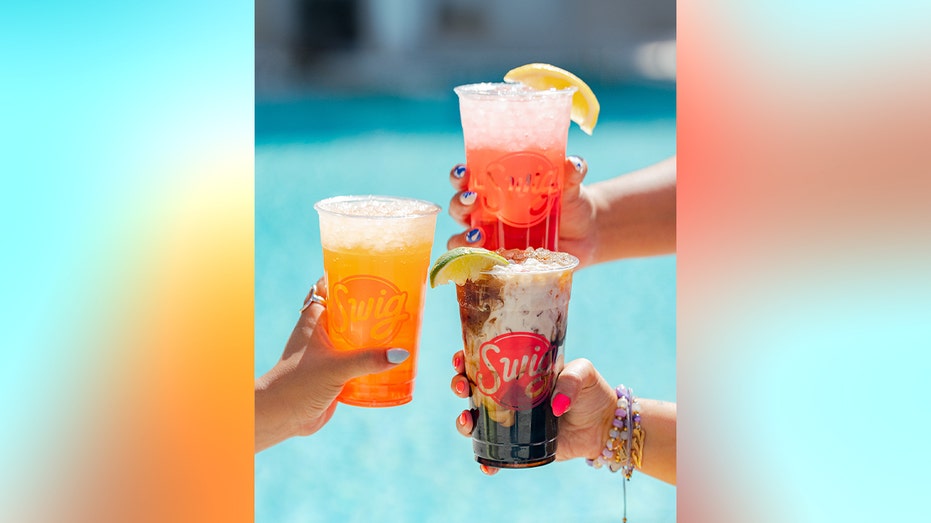
Swig now operates in 23 states and expects to reach about 200 locations by the end of the year, Smith said.(Savory Fund)
“Really what Swig is, and what it was, was the ‘Starbucksification’ of soda, teas and lemonades,” Smith stated. This “Starbucksification” thesis is a powerful market concept, signifying the transformation of a common, often inexpensive, product into a premium, experiential, and customizable offering that commands higher margins and repeat business. For investors, this represents a significant opportunity to capture market share in a previously undifferentiated segment, leveraging convenience, brand experience, and personalization as key differentiators.
Savory Fund manages more than $750 million in assets, deploying capital strategically across promising restaurant brands including Swig, R&R BBQ, Mo’ Bettahs Hawaiian Style Food, Via 313 Pizzeria and PINCHO. This diverse portfolio reflects a private equity strategy aimed at mitigating risk by investing across various culinary segments within the resilient restaurant industry, targeting concepts with strong unit economics and clear growth runways.
More recently, the firm invested in Zao Asian Grill, a 23-location Mountain West fast-casual chain that Smith believes could also expand well beyond its current footprint. This continued investment in regional chains with expansion potential underscores a belief in the demand for diverse, high-quality fast-casual options that offer perceived value and convenience to consumers seeking alternatives to traditional fast food.
For Savory Fund, the goal is not simply to chase transient food trends or fads. According to Smith, “As investors, and other investors that I would speak for, we don’t chase concepts, and we’re not chasing the right brand. We’re backing exceptional founders, and we help them build enduring brands for our consumers.” This founder-centric investment philosophy suggests a long-term view, emphasizing strong operational leadership and a proven ability to execute growth strategies, rather than simply riding a wave of popularity. In a competitive market, robust leadership is often seen as a key differentiator for sustainable success.
CALIFORNIA PIZZA KITCHEN CO-FOUNDER OPENS UP ABOUT FAMOUS CHAIN’S WILD RISE, BANKRUPTCY AND COMEBACK
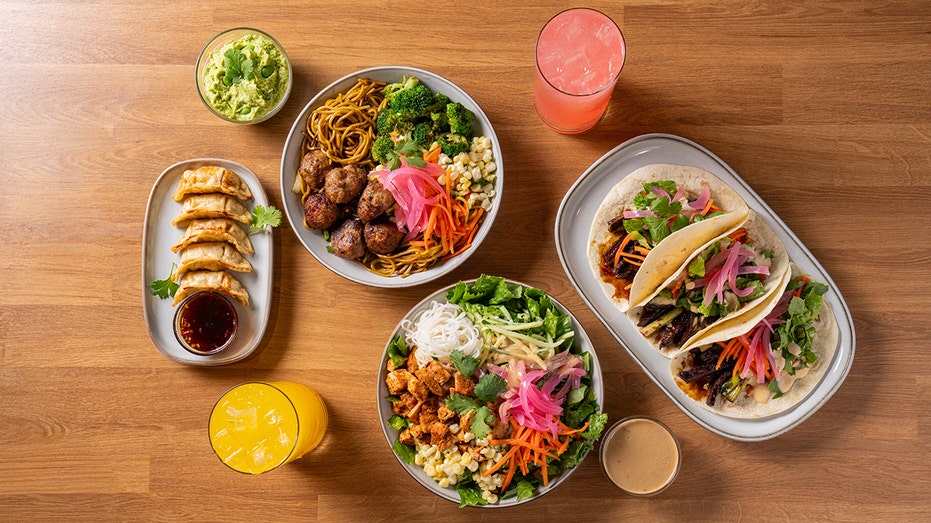
Menu items from Zao Asian Grill are displayed. Savory Fund recently invested in the Mountain West fast-casual chain as it looks to expand beyond its current footprint.(Savory Fund)
Smith also provided crucial insights into current consumer behavior, stating that across Savory Fund’s portfolio, consumers have not stopped spending, but they are scrutinizing their purchases more closely. They are looking for genuine value—where the quality of the food, service, and overall experience unequivocally justifies the price paid. “If you paid $20 for a meal, and you sit down, and you’re like, this looks more like $11, they feel like they got kind of scammed,” he said. “…You’ve got to make sure that your value on the plate is the same as the dollars that they’re giving.”
This heightened focus on perceived value is particularly significant in an inflationary environment, where consumers’ disposable incomes are often stretched. Brands that can consistently deliver on quality and experience relative to price are likely to retain customer loyalty and market share, while those that fail to meet these expectations risk losing business to more value-conscious alternatives. This reinforces the importance of strong unit economics and efficient operations for restaurant chains.
CLICK HERE TO GET FOX BUSINESS ON THE GO
Smith concluded by underscoring the broader economic significance of the sector: “Restaurants are one of the best real-time indicators of consumer confidence, because millions of decisions happen every day in this industry.” The daily transactional volume in restaurants provides an immediate pulse on consumer willingness to spend on discretionary items, making it a critical barometer for economic analysts tracking broader spending trends and household sentiment.
Market Impact:
Swig’s impressive expansion and Savory Fund’s strategic investment underscore several key market trends. Firstly, the success of niche, customizable beverage concepts signals a fertile ground for “affordable luxury” plays within the QSR space, attracting significant private equity capital and potentially inspiring similar ventures. This validates the “Starbucksification” model beyond coffee, suggesting a broader consumer appetite for premium, personalized versions of everyday consumables. Secondly, the restaurant sector’s role as a proxy for consumer confidence will remain critical in monitoring economic health, particularly as inflationary pressures continue to shape discretionary spending habits. Companies that prioritize genuine value and a compelling customer experience are best positioned to thrive. Finally, the private equity landscape will likely continue to favor founder-led, scalable concepts in resilient sectors, leveraging social media and cultural trends for rapid market penetration and sustainable growth, offering attractive returns for patient investors.