
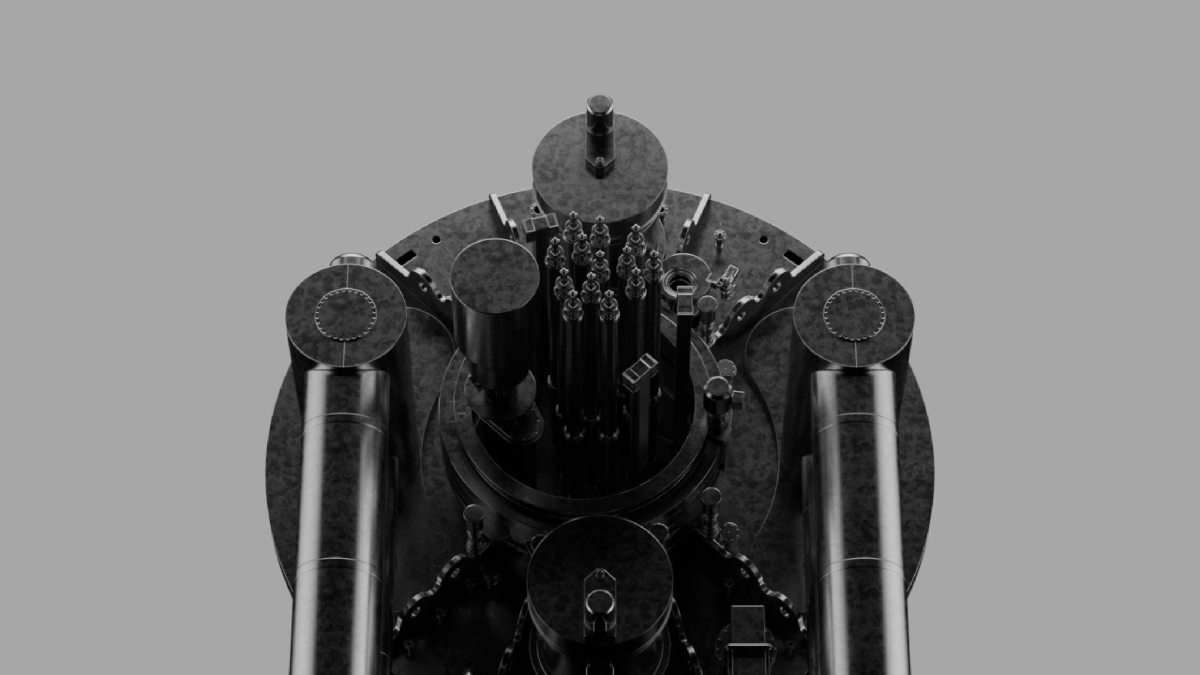
Nuclear power startups have been pitching themselves as the antidote to what ails AI data centers: power that’s always available. Bill Gates-founded TerraPower is one of the latest to throw its hat that into that ring, with Bloomberg reporting that the startup plans to announce its first data center project this year.
**Key Takeaways:**
* **AI’s Insatiable Power Demand Meets Nuclear Promise:** The explosive growth of AI is creating unprecedented, volatile power demands for data centers, making always-on, reliable energy solutions like advanced nuclear reactors increasingly attractive.
* **TerraPower’s Storage Innovation Solves Flexibility Challenge:** Unlike traditional nuclear plants, TerraPower’s Natrium reactor integrates molten salt energy storage, allowing it to provide steady baseload power while also ramping up instantly to meet the “spiky” consumption patterns of AI workloads.
* **Strategic Advantage for a Renewable-Heavy Future:** This unique design, initially conceived to complement intermittent renewable sources, positions TerraPower as a versatile solution for both grid stability and behind-the-meter data center power, offering a competitive edge in the race to fuel the AI era.
***
## **Powering the Future: How Advanced Nuclear is Stepping Up for AI’s Demanding Data Centers**
The artificial intelligence revolution is not just about silicon and algorithms; it’s fundamentally about power. As AI models grow in complexity and usage, the energy requirements of the data centers housing them are skyrocketing, posing a significant challenge to global energy grids and sustainability goals. Enter nuclear power startups, which are increasingly positioning themselves as the ultimate solution: a source of clean, reliable, and always-available electricity capable of meeting AI’s insatiable, yet highly variable, demands. Among these contenders, Bill Gates-founded TerraPower is making headlines, with reports indicating a forthcoming announcement of its inaugural data center project this year.
TerraPower, which in January secured a deal with Meta to supply eight of its Natrium power plants, has yet to disclose the customer for its new data center initiative. This project, slated to break ground in 2027, would mark TerraPower’s second power plant under construction, following its pioneering effort in Wyoming. This move signals a critical pivot for nuclear technology, adapting to the specific, and often extreme, needs of the digital age.
### **The AI Power Conundrum: A Grid Under Stress**
Traditional data centers operate with relatively predictable loads. AI data centers, however, are a different beast entirely. The process of training complex AI models or responding to rapid-fire prompts can cause power consumption to “sink and soar quickly” as GPUs respond to intense computational tasks. These wild swings are so demanding that they’re notorious for stressing grid infrastructure and even causing natural gas turbines – typically used for their quick response times – to break down under the strain. To mitigate these fluctuations, data centers are forced to deploy massive banks of expensive batteries, further escalating operational costs and environmental footprints.
This challenge highlights a fundamental mismatch between AI’s operational reality and conventional power generation. What AI needs is a power source that is both robustly reliable *and* incredibly flexible – a combination rarely found in large-scale energy production.
### **Traditional Nuclear: Baseload King, But Inflexible**
Nuclear reactors, known for their exceptional reliability, operate best when running at full capacity. In the U.S., they boast the highest capacity factor of any generating technology, producing maximum power over 92.5% of the time. This makes them ideal for baseload power – the constant, minimum amount of electricity required by a grid.
However, existing reactors have a significant drawback: they are slow to ramp up or down, typically capable of adjusting their output by only about 5% per minute. While newer Small Modular Reactors (SMRs) show promise with faster ramp rates of around 10% per minute, running any nuclear plant at reduced capacity is economically suboptimal. With the highest capital expenditures (capex) among all generating technologies, nuclear plants need to operate at peak capacity as often as possible to justify their massive upfront investment. Startups hope that mass manufacturing of SMRs will eventually drive down capex, but this is a long-term vision, likely taking a decade or more to materialize. Early plants, by all accounts, will be expensive, reinforcing the need for continuous, full-power operation.
This inherent inflexibility has historically made nuclear power a poor fit for highly variable loads, whether from renewable energy integration or, more recently, AI data centers.
### **TerraPower’s Game-Changing Innovation: The Natrium Reactor with Energy Storage**
TerraPower designed its 345-megawatt molten salt-cooled Natrium reactor with a revolutionary approach to tackle these challenges. The key consideration was ensuring the reactor could seamlessly complement intermittent sources of electricity like wind and solar – meaning the power plant needed to ramp up and down quickly *without* compromising the reactor’s efficiency or profitability. While TerraPower initially envisioned this flexibility for renewable integration, it’s become clear that the design is equally, if not more, suited to the similarly intermittent, albeit opposite, demands of AI data centers.
The brilliance of TerraPower’s solution lies in its integrated energy storage system. Instead of constantly increasing or decreasing the power output of the reactor itself, the Natrium design keeps the nuclear reactor running at its optimal, full-tilt capacity. Any excess heat generated beyond immediate demand is then shunted and stored in a giant vat of molten sodium. When power demand spikes – for instance, during an intensive AI training session – the power plant can instantly tap into this massive thermal reservoir to generate additional steam and spin its turbines, effectively boosting electricity output without altering the reactor’s operations.
This ingenious approach marries the best of nuclear power – its high capacity factor and consistent energy production – with a highly responsive energy storage technology. It ensures that the expensive, complex nuclear equipment continues to work efficiently, even when demand is low, allowing TerraPower to amortize its significant investment over more operational hours and generate revenue more consistently. The result is a flexible, dispatchable power source that can play nicely on a renewable-heavy grid or provide dedicated, on-demand power directly to a demanding data center.
### **A Strategic Edge in the AI Energy Race**
TerraPower’s unique, flexible approach could prove to be a significant advantage in the escalating race to power AI. By offering a solution that combines the reliability of nuclear with the responsiveness of traditional peaker plants and batteries, it addresses a core vulnerability in AI’s growth trajectory. The initial projects, including the Meta deal and the upcoming data center announcement, will be crucial testaments to the economic viability and operational prowess of this innovative nuclear design. As the world grapples with the energy implications of an AI-driven future, TerraPower’s Natrium reactor presents a compelling, and potentially transformative, answer.
When you purchase through links in our articles, we may earn a small commission. This doesn’t affect our editorial independence.
### **Bottom Line**
The exponential rise of AI is creating an urgent demand for a new generation of power solutions – ones that are reliable, clean, and critically, flexible enough to handle highly volatile loads. TerraPower’s Natrium reactor, with its integrated molten salt energy storage, represents a significant leap forward, transforming nuclear power from a rigid baseload provider into a dynamic, responsive energy asset. This innovation not only addresses the immediate power challenges of AI data centers but also positions advanced nuclear technology as a key enabler for a future powered by both intermittent renewables and ever-expanding computational intelligence, potentially offering a sustainable pathway to fuel the next wave of technological progress.
Source:{feed_title}