
Financial expert Jeff Sica joins Stuart Varney to analyze retail earnings from Home Depot and Walmart, evaluating consumer health, real estate trends and the impact of inflation on home improvement sectors.
Key Takeaways:
- Strategic Realignment Amidst Economic Headwinds:Starbucks’ corporate layoffs and relocation efforts are a critical component of CEO Brian Niccol’s two-year turnaround strategy, aimed at optimizing operational efficiency and re-focusing on the core coffeehouse experience amidst persistent inflationary pressures and a discerning consumer environment.
- Cost Optimization and Talent Re-allocation:The reduction of over 200 corporate roles, coupled with the establishment of a new regional corporate hub in Nashville, signals a proactive move to streamline overheads, potentially access new talent pools, and enhance agility, which are increasingly important drivers for investor confidence in the current market.
- Betting on the “Third Place” Experience:Despite organizational shifts, Starbucks reaffirms its commitment to its differentiated “third place” strategy, emphasizing an elevated in-store customer experience. This move is crucial for defending market share against agile competitors and justifying premium pricing in a landscape where consumer discretionary spending is under scrutiny.
Starbucks (NASDAQ: SBUX) is undertaking a significant corporate restructuring, shedding over 200 corporate workers as it aggressively advances the turnaround strategy initiated two years ago under the leadership of CEO Brian Niccol. This latest round of layoffs, detailed in a recent WARN Act notice, underscores the company’s commitment to operational streamlining and cost optimization in a retail landscape marked by fluctuating consumer demand, persistent inflationary pressures, and intense competition.
The coffee giant’s Thursday filing clarified plans to cut approximately 204 corporate roles, a slight adjustment from previously disclosed intentions to reduce the corporate workforce by about 300 jobs. This move is not merely an isolated incident but a strategic pivot in response to a dynamic market environment, where every dollar spent on overheads directly impacts profitability and investor perception.
A substantial portion of these separations, around 120 employees, are linked to support staff involved in coffeehouse design and development who opted not to relocate from the company’s traditional Seattle, Washington base to a burgeoning new corporate hub in Nashville, Tennessee. This resistance to relocation highlights a broader trend in the post-pandemic labor market, where employee flexibility and location preferences are influencing corporate footprint decisions. The remaining 104 cuts are direct organizational changes stemming from restructuring plans first outlined in May, signaling a deliberate effort to reshape the corporate hierarchy for greater efficiency and strategic alignment.
STARBUCKS’ TURNAROUND PLAN SHOWS PROMISE IN US AS SALES GROWTH RETURNS FOR FIRST TIME IN 2 YEARS
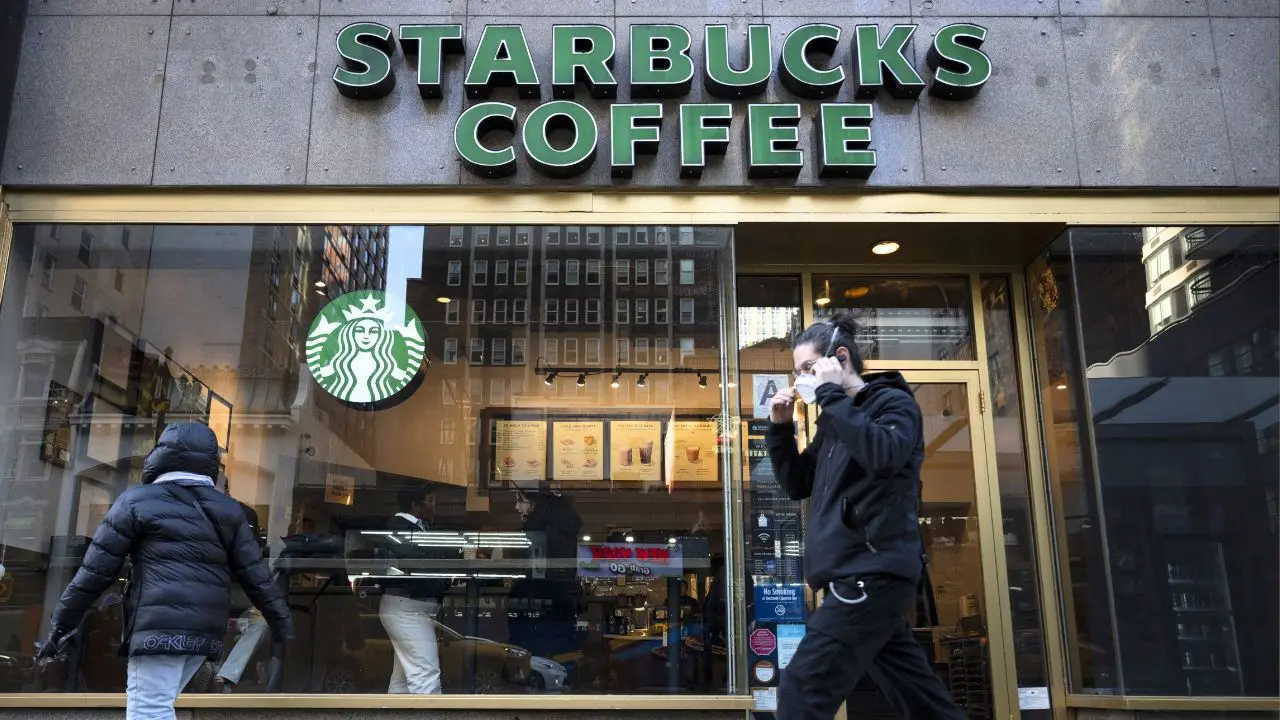
Starbucks submitted a filing with details about over 200 job cuts.(Mostafa Bassim/Anadolu via Getty Images)
The expected date for the initial wave of separations is Oct. 19, 2026, with the full process anticipated to conclude by Nov. 1, 2026. This extended timeline suggests a methodical approach to workforce reduction, likely designed to minimize disruption and ensure a smooth transition of responsibilities, a common practice for large corporations navigating complex restructuring without alarming the market unnecessarily.
Despite these significant organizational changes, Starbucks management has emphatically stated that these actions do not alter the company’s fundamental coffeehouse strategy. The core mission remains focused on enhancing the “third place experience” – the concept of Starbucks stores as welcoming community spaces outside of home and work. This includes uplifting existing coffeehouses, expanding the store portfolio, and strategically developing new locations. In an era where digital channels dominate, Starbucks is doubling down on the physical experience, recognizing its unique value proposition in fostering customer loyalty and driving foot traffic, a critical metric for the retail sector.
This filing represents the final component of Starbucks’ remaining organizational changes from the restructuring announced in May. The objective is clear: to eliminate redundancies, optimize workflows, and ultimately allow the company to intensely focus on improving the in-store experience for both its employee partners and its vast customer base. This laser focus is paramount in a highly competitive quick-service restaurant (QSR) and specialty coffee market, where consumer preferences can shift rapidly and loyalty is hard-won.
STARBUCKS TO CLOSE STORES, CUT JOBS AS PART OF TURNAROUND STRATEGY
| Ticker | Security | Last | Change | Change % |
|---|---|---|---|---|
| SBUX | STARBUCKS CORP. | 103.99 | -0.99 | -0.94% |
A key aspect of this strategic overhaul is the establishment of a new regional corporate office in Nashville. This $100 million investment will house approximately 2,000 employees, although the company’s global headquarters will remain firmly in Seattle. The move to Nashville is likely driven by several factors: potentially lower operating costs, access to a different talent pool, and a strategic desire to diversify its corporate footprint. This decentralization could offer greater operational flexibility and resilience, valuable attributes in today’s unpredictable economic climate.
Brian Niccol, who took the helm at Starbucks in September 2024, becoming the company’s third CEO in a turbulent two-year period, inherited a mandate to revitalize the brand and spur business growth. His comprehensive turnaround plan has centered on a multi-pronged approach designed to enhance the customer experience and operational efficiency. Initiatives include redesigning interiors to encourage customers to linger longer, reintroducing “personal touches” like writing names on cups and serving drinks in ceramic mugs, and ensuring proper staffing levels at stores to improve service speed. Streamlining mobile orders, empowering customers with self-service condiment stations, and committing to a “four-minute or less” drink readiness target are all aimed at reducing friction points and enhancing the overall customer journey, crucial for driving repeat business and positive word-of-mouth in the digital age.
STARBUCKS CEO SAYS COFFEE CHAIN IS ‘AHEAD OF SCHEDULE’ IN MAJOR TURNAROUND EFFORT AFTER ONE YEAR

Starbucks CEO Brian Niccol is pursuing a turnaround strategy at the coffee giant.(Eugene Gologursky/Getty Images for Fast Company)
Last year, as part of this broader strategy, Starbucks also moved to close some underperforming stores and significantly reduced its non-retail partner roles by 900, while simultaneously freezing many open positions. These actions collectively demonstrate a decisive effort to prune non-essential expenditures and reallocate resources towards initiatives that directly contribute to revenue growth and customer satisfaction. Such aggressive cost-cutting and strategic repositioning are often viewed favorably by investors, particularly during periods of economic uncertainty, as they signal disciplined management and a clear path to improved profitability.
GET FOX BUSINESS ON THE GO BY CLICKING HERE
Market Impact:
Starbucks’ latest corporate layoffs and strategic restructuring are likely to be viewed by the market as a necessary, albeit painful, step in its ongoing turnaround. For investors, these actions signal management’s commitment to enhancing operational efficiency and driving shareholder value, potentially bolstering confidence in SBUX stock in the long term. The emphasis on the “third place” experience, coupled with cost optimization, positions Starbucks to better compete against both traditional coffee rivals and emerging fast-casual concepts, especially as consumers become more discerning with their discretionary spending amidst broader economic concerns. The shift to Nashville could also set a precedent for other large corporations seeking to optimize their geographic footprints for cost and talent advantages. While the short-term optics of layoffs can be negative, the strategic intent behind these moves – to create a leaner, more agile, and customer-focused organization – is crucial for Starbucks’ sustained growth and market leadership in the highly competitive global beverage industry.