

Key Takeaways
- Geopolitical Risk & Energy Prices:President Trump’s waiver of Russian sanctions aims to alleviate immediate fuel cost pressures through a reported diesel deal with Putin, but critics warn it could embolden Moscow, potentially prolonging conflict and sustaining a geopolitical risk premium in global energy markets.
- Supply Dynamics & Inflationary Pressures:The strategic decision to introduce Russian diesel into global markets could offer near-term relief for soaring energy prices, impacting inflation, consumer spending, and corporate logistics costs, yet it reconfigures energy security strategies and reliance on volatile suppliers.
- Investor Sentiment & Policy Volatility:The sudden shift in sanctions policy, drawing bipartisan condemnation, introduces significant uncertainty for investors, particularly those in energy, commodities, and international trade, as markets digest the implications for future sanctions regimes and geopolitical alliances.
Former U.S. Energy Secretary Dan Brouillette breaks down the market impact of President Donald Trump’s reported Russia diesel deal. Lawmakers, including Senator Thom Tillis, urge the administration to drop the controversial agreement.
WASHINGTON D.C. –In a move sending ripples through global commodity markets and drawing sharp criticism from both sides of the political aisle, President Donald Trump has issued an executive order waiving key Russia-related sanctions and tariffs. The decision, reportedly aimed at stabilizing soaring energy prices, specifically diesel and gasoline, is being scrutinized for its potential immediate economic benefits against the backdrop of long-term geopolitical and energy security implications, particularly concerning Moscow’s ongoing conflict in Ukraine.
Signed on Friday, the executive order overrides provisions of the Graham Act, legislation enacted just last month to increase economic pressure on Moscow. The Graham Act, championed by the late Sen. Lindsey Graham, R-S.C., authorized tariffs of up to 100% on certain goods imported into the United States from major buyers of Russian oil and gas. Its intent was clear: to restrict the financial lifelines supporting Russia’s war machine and to deter nations from facilitating its economy. Trump’s waiver fundamentally alters this strategy, signaling a potential pivot towards prioritizing domestic energy cost management over a unified, aggressive economic stance against Russia.
Former U.N. Ambassador Nikki Haley was quick to repost FOX Business’ reporting on Trump’s executive order, characterizing the president’s decision as a potentially “history-defining moment.” From a market perspective, Haley’s comment underscores the profound implications for long-term geopolitical stability, a crucial factor influencing investor confidence and the risk premiums factored into global commodity prices. “It’s a terrible misjudgment of Putin, who has made it clear he wants to destroy the West. We shouldn’t help him do it,” Haley posted on X, implying that a weaker sanctions regime could embolden Russia, potentially prolonging the conflict and its associated market volatility, thereby keeping energy and other commodity prices elevated.
TRUMP WAIVES MANY RUSSIAN SANCTIONS, TARIFFS UNDER NEW LAW BACKED BY LINDSEY GRAHAM
President Donald Trump issued an executive order Friday, Oct. 16, 2026, waiving certain sanctions and tariffs targeting Russia and countries purchasing Russian energy.(Kevin Dietsch/Getty Images)
The economic rationale behind the waiver was partially illuminated by Sen. Ted Cruz, R-Texas, who, despite criticizing the decision as a “mistake,” acknowledged Trump was likely “focused on rising fuel costs, including diesel and gasoline prices.” This direct linkage highlights the administration’s responsiveness to inflationary pressures gripping American households and businesses. Diesel prices, in particular, are a critical input cost for the logistics, transportation, agriculture, and manufacturing sectors. A reduction in these costs could have a cascading effect, potentially easing supply chain bottlenecks, moderating consumer goods prices, and contributing to a downtrend in broader inflation metrics, a primary concern for the Federal Reserve’s monetary policy and financial markets alike.
When pressed by Fox News’ Aishah Hasnie, Cruz affirmed he would have advised against the waiver, indicating the deep division within the Republican party on the strategic balancing act between immediate economic pragmatism and geopolitical leverage. The trade-off is stark: immediate consumer relief versus the long-term objective of weakening an adversary through economic isolation. This divergence itself can introduce market uncertainty, as investors grapple with predicting future policy directions, potentially leading to increased volatility in sectors sensitive to global trade and geopolitical risks.
TRUMP’S CANADA TRADE WAR IS ENTERING A DANGEROUS NEW PHASE FOR THESE BATTLEGROUND STATES
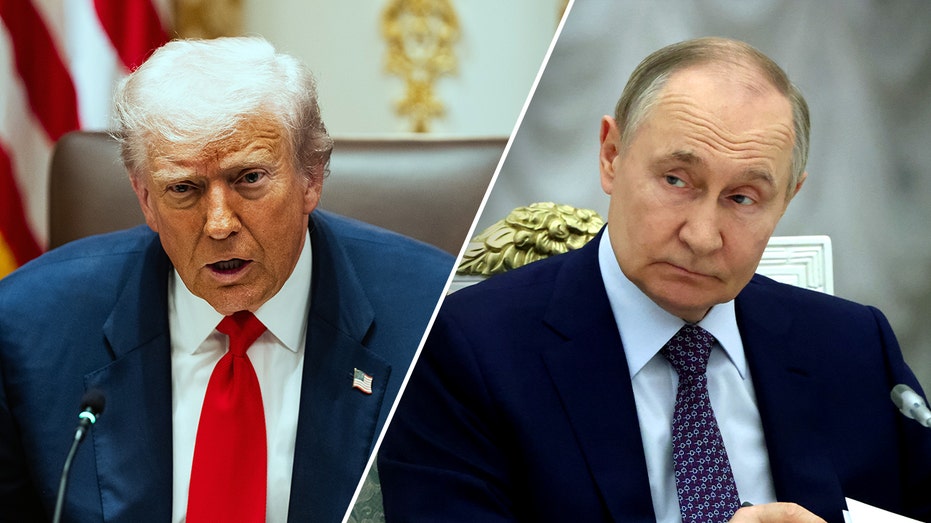
Russian President Vladimir Putin faced renewed scrutiny after President Donald Trump waived certain sanctions targeting Moscow, drawing criticism from U.S. lawmakers.(Getty Images / Getty Images)
Trump himself defended the waiver by stating it was in the “national interests of the United States,” though he remained cryptic about the specifics. “A lot of you don’t know what my decision is yet, but we’ll figure it out, and you’ll figure it out,” Trump told reporters, adding, “It’s a very good decision, and it’s going to be a decision that’s good for the country, and I think good for the world because we’re really at a world stage.” Such statements, while attempting to reassure, can ironically contribute to market opacity, as traders and analysts strive to interpret the unstated strategic calculus behind significant policy shifts, often leading to speculative trading based on incomplete information.
Sen. Thom Tillis, R-N.C., lambasted the decision as “beyond irresponsible,” emphasizing the legislative intent behind the Graham Act. “What part of enforcing a law passed 86-11 by the Senate does the President and his advisors not understand? It’s unconscionable that this administration is capitulating to a Russian dictator who illegally invaded Ukraine and butchers innocent civilians every single day.” This strong condemnation underscores concerns that softening economic pressure could be perceived as a strategic victory for Russia, potentially extending the conflict and thereby perpetuating the geopolitical risk premium that continues to weigh on global energy prices and overall market stability, impacting investor confidence in long-term geopolitical outcomes.
TREASURY SHOWS OFF NEW TRUMP DOLLAR COIN, URGES AMERICANS TO SPEND IT AT LIBERAL COFFEE SHOPS
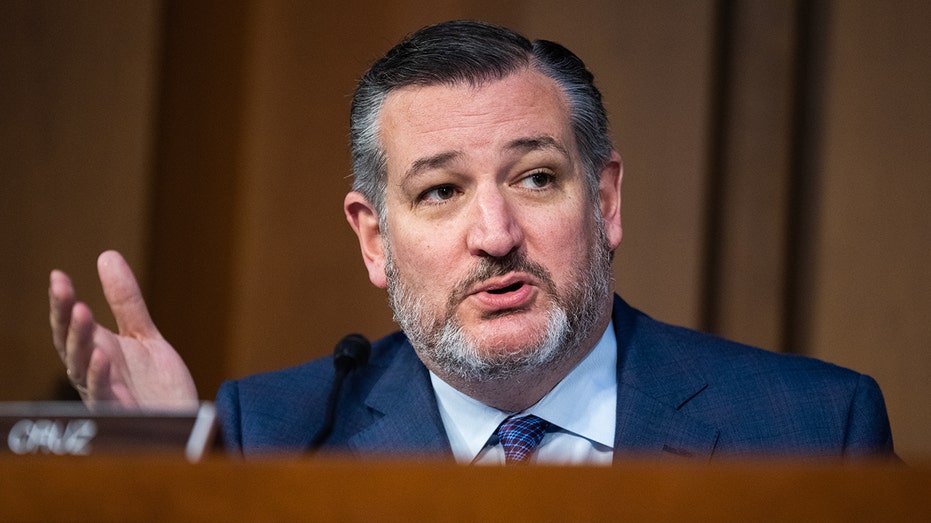
Sen. Ted Cruz, R-Texas, criticized President Donald Trump’s decision to waive certain Russia sanctions, saying he believed the move was a mistake.(Tom Williams/CQ-Roll Call, Inc via Getty Images / Getty Images)
Joining the chorus of disapproval, Sen. Richard Blumenthal, D-Conn., a key drafter of the Graham Act, accused Trump of abandoning lawmakers and European allies. “These waivers have nothing to do with our national security, and everything to do with sucking up to Vladimir Putin,” Blumenthal asserted. For markets, this bipartisan outcry signifies a deeply fractured political landscape regarding international policy, potentially leading to inconsistent application of sanctions and trade policies, which can deter long-term foreign direct investment and introduce regulatory uncertainty for multinational corporations operating in complex geopolitical environments.
Ukrainian President Volodymyr Zelenskyy’s reaction further amplified the geopolitical alarm. “The decision to undo all of this, to block all of it, seems wrong to me,” Zelenskyy wrote on X. “It definitely helps only the Russians. It only fuels their satisfaction and their desire to keep killing people.” From an economic standpoint, Zelenskyy’s plea highlights the direct link between sanctions efficacy and the duration of the conflict. A prolonged war translates to continued disruption of global supply chains, sustained elevated energy prices, increased defense spending by NATO allies, and heightened geopolitical risk, all of which have significant implications for global economic growth and market stability, particularly for energy-intensive industries and commodity-linked equities.
The waiver, crucially, coincides with rising diesel and gasoline prices linked to ongoing conflicts and instability in Iran and Ukraine. It also follows a reported agreement between the Trump administration and Russian President Vladimir Putin, under which Russia would release millions of tons of diesel into global markets. This strategic maneuver, if confirmed and executed, represents a direct intervention to increase global supply, aiming to cool red-hot energy prices. While potentially offering near-term relief at the pump for consumers and reducing operational costs for industries reliant on diesel (such as transportation, agriculture, and manufacturing), this approach fundamentally reconfigures the energy supply landscape. It also raises profound questions about energy security and the long-term implications of increasing reliance on Russian energy exports at a time when many Western nations have sought to decouple from them, potentially exposing markets to future supply shocks from a politically volatile source.
TRUMP’S INVESTMENT PUSH HITS EUROPE AS IRISH PM EYES NEXT TARIFF BREAK

Ukrainian President Volodymyr Zelenskyy criticized President Donald Trump’s decision to waive certain Russia sanctions, warning that the move could encourage Moscow to continue its attacks.(Reuters/Shannon Stapleton / Reuters)
It’s important to note that Friday’s executive order does not affect certain Russia-related sanctions imposed under previous executive orders, suggesting a targeted, rather than wholesale, rollback of punitive measures. However, even a partial easing can signal a shift in strategic intent, impacting how other nations and market participants perceive the resolve of the U.S. sanctions regime. This nuanced approach could lead to divergent interpretations of risk and opportunity in commodity trading and international investment.
Sen. Darline Graham, R-S.C., who succeeded her late brother, echoed concerns about trust in Putin, telling reporters, “Personally, I would choose to keep the pressure on Russia because I don’t trust Putin and I don’t trust Russia.” This sentiment reflects a broader market apprehension: that reliance on a geopolitically unreliable supplier for critical commodities can lead to future price volatility and supply disruptions, even if immediate price relief is achieved. Such concerns could push investors towards hedging strategies or away from assets tied to geopolitical hotspots, contributing to overall market cautiousness.
Market Impact
The immediate market reaction to President Trump’s sanctions waiver and the reported Russian diesel deal is likely to be multifaceted. Energy futures, particularly for diesel and crude oil, could experience some downward pressure in the very short term as the prospect of increased supply materializes. This might offer a temporary reprieve for inflation-wary central banks, potentially easing pressure for further interest rate hikes, and for sectors heavily reliant on fuel costs, such as transportation, logistics, and airlines, potentially boosting their stock performance. However, this short-term gain comes with significant caveats. The political fallout and bipartisan condemnation signal deep divisions, which could translate into sustained geopolitical uncertainty, keeping a floor under energy prices due to an elevated risk premium. Furthermore, concerns over energy security and increasing reliance on Russia could deter long-term investment in alternative energy sources or Western production, creating future supply vulnerabilities and impacting the energy transition timeline. Investors will be closely watching for any signs of prolonged conflict in Ukraine, which would negate any short-term gains from increased Russian supply and maintain geopolitical tension. The dollar’s strength, often a safe-haven asset during global turmoil, may experience some volatility depending on the perceived escalation or de-escalation of global tensions. Ultimately, while the move aims to cool inflation, it introduces a new layer of complexity and potential volatility into global markets, requiring investors to carefully weigh immediate economic relief against long-term strategic risks and the stability of international alliances.
CLICK HERE TO GET FOX BUSINESS ON THE GO
FOX Business’ Brie Stimson contributed to this report.