
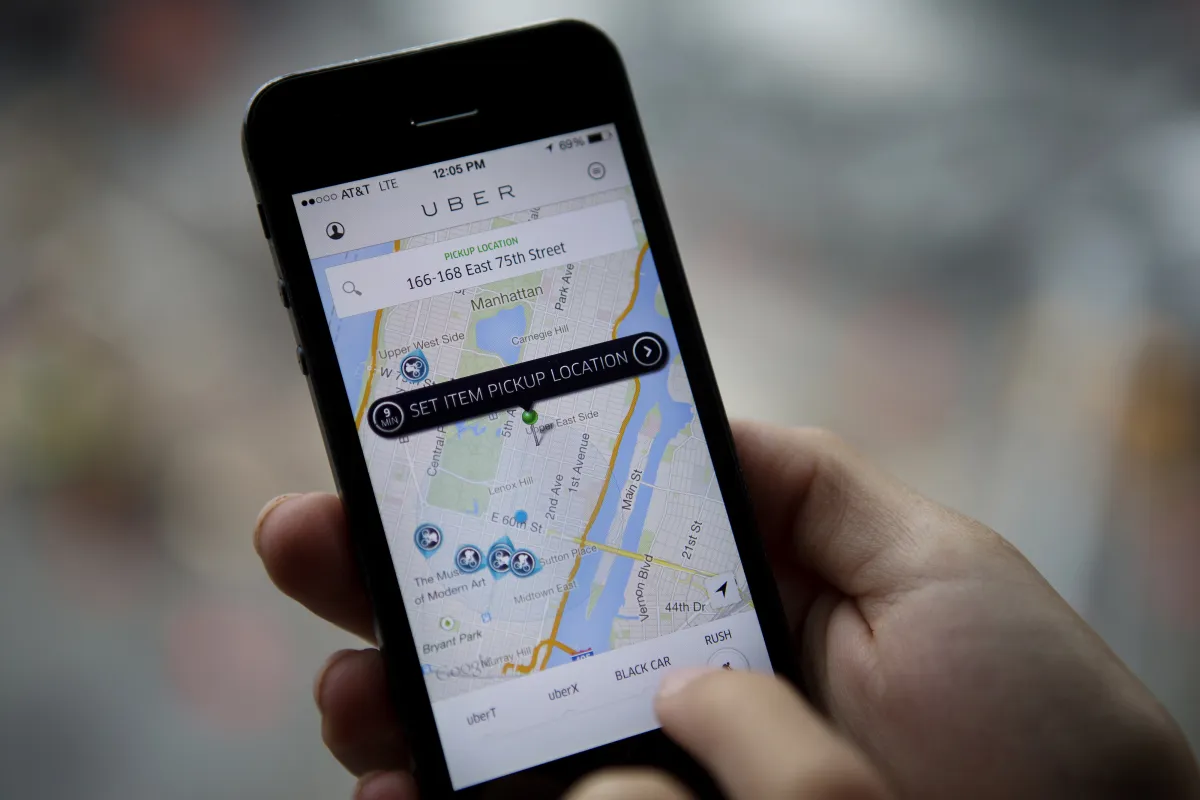
The Dutch Data Protection Authority is fining Uber €825 million (around $966 million) — the second largest penalty issued so far under Europe’s General Data Protection Regulation, according to Reuters.
Key Takeaways
- Landmark Fine for Algorithmic Injustice:Uber has been hit with an €825 million penalty by the Dutch DPA for automatically deactivating driver accounts without sufficient human oversight or due process, highlighting a critical challenge in the gig economy’s reliance on algorithms.
- Empowered Driver Advocacy:The fine is a direct result of tenacious efforts by former drivers, supported by digital rights organizations like PersonalData.io, demonstrating the growing power of collective action against tech giants over data rights and fair labor practices.
- Setting a Precedent for Algorithmic Accountability:This ruling underscores the increasing regulatory scrutiny on automated decision-making under GDPR, pushing companies to re-evaluate their algorithmic systems to ensure transparency, fairness, and human accountability, potentially reshaping how gig platforms operate globally.
Uber Hit With Landmark €825M GDPR Fine Over Algorithmic Driver Deactivations
In a move set to reverberate across the global gig economy, the Dutch Data Protection Authority (Autoriteit Persoonsgegevens, AP) has leveled an astounding €825 million (approximately $966 million) fine against Uber. This penalty, which marks the second-largest issued under Europe’s stringent General Data Protection Regulation (GDPR) to date, directly addresses complaints that the ride-sharing giant deactivated driver accounts through automated processes, often without adequate warning or human review. The decision underscores a growing regulatory pushback against the opaque and often impactful nature of algorithmic management within major tech platforms.
The Core of the Controversy: Algorithmic Justice
The Dutch regulator’s investigation centered on allegations that Uber’s automated systems were making critical decisions with severe consequences for drivers, impacting their livelihoods directly. Monique Verdier, deputy chair of the AP, minced no words in her statement, asserting that Uber had “committed serious infringements.” Verdier emphasized, “A computer should not make decisions on its own that have [such] major consequences.” This sentiment directly invokes principles enshrined in GDPR, particularly Article 22, which grants individuals the right not to be subject to a decision based solely on automated processing, including profiling, which produces legal effects concerning him or her or similarly significantly affects him or her, unless specific conditions are met, such as explicit consent or necessity for a contract, with safeguards. The AP found that Uber’s systems fell short of providing these necessary safeguards, including sufficient human oversight and robust appeal mechanisms for drivers facing deactivation.
Uber’s Defense and the Battle Ahead
Unsurprisingly, Uber is gearing up for a vigorous appeal against the ruling. The company has publicly stated its strong disagreement with both the decision and what it deems a “disproportionate fine.” An Uber spokesperson told Reuters that while some driver suspensions do occur, most are brief and temporary, and crucially, no permanent deactivations take place without human review. They also highlighted the existing ability for drivers to appeal such decisions. This contradicts the Dutch regulators’ findings, who asserted that some drivers were indeed permanently deactivated without the promised human oversight. The impending appeal promises to be a high-stakes legal battle, potentially setting precedents for how algorithmic management is viewed and regulated across the European Union and beyond, particularly as platforms navigate the complexities of managing a vast, decentralized workforce while adhering to evolving data protection and labor laws.
The Human Element: Driver Activism and Advocacy
This significant fine is not merely a bureaucratic action but the culmination of persistent advocacy by affected drivers. Brahim Ben Ali, a former Uber driver in France, stands as a central figure in this saga. After his own account was deactivated in 2019, he embarked on a mission to gather testimonies from 170 other Uber drivers who faced similar issues. His relentless pursuit led him to bring his collective complaint to the Netherlands, strategically chosen as the location of Uber’s European headquarters.
Ben Ali’s efforts were significantly bolstered by PersonalData.io, a Swiss nonprofit dedicated to digital rights. Its founder, Paul-Olivier Dehaye, played a crucial role in assisting drivers to collect and understand the data surrounding their deactivation decisions. Dehaye articulated the precarious position drivers often find themselves in: a driver “can complete a thousand journeys with satisfied passengers, but if just one person reports a very serious problem, the consequences can be enormous.” This highlights the often-unforgiving nature of algorithmic systems, where a single negative input can outweigh a long history of positive performance, leading to immediate and severe repercussions.
This isn’t the first time the Dutch regulator has taken Uber to task over data-related issues. Dehaye revealed that this latest fine marks the third such penalty, following a €290 million fine concerning the handling of drivers’ personal data and a €10 million fine stemming from related issues. All these regulatory actions, he noted, originated from complaints made by the very same group of determined drivers. Bolstered by these successes, Dehaye is now launching a new venture called StartClaims, specifically designed to support class-action litigation and other regulatory actions. While initially targeting Uber, StartClaims aims to expand its focus to other gig economy cases and even broader areas like adtech, signaling a growing movement to hold platforms accountable for their data practices.
The Broader Debate: Automation, Responsibility, and the Gig Economy
The Uber fine reignites a critical debate about the role of automation in managing workforces and the extent of corporate responsibility. Daring Fireball’s John Gruber weighed in, expressing concern that the ruling might make it “unlawful in the EU for Uber to monitor its drivers for pulling scams against customers, or just never picking riders up, leaving them stranded.” Gruber also challenged Verdier’s statement about “a computer” making decisions, drawing an analogy to a time clock being blamed for an employee’s firing. His argument suggests that underlying policies, set by human managers, are merely executed by automated systems, making the “computer” a mere instrument.
However, Paul-Olivier Dehaye countered that Gruber “misses the point.” Dehaye clarified, “Uber is free to use humans to punish drivers who scam, but then [it] has to take responsibility for this decision making (like ‘being an employer’, not ‘being a marketplace’).” This distinction is pivotal. It highlights the ongoing legal and ethical battle over whether gig economy companies should be treated as mere marketplaces connecting independent contractors or as employers with the full suite of responsibilities that come with that designation. When decisions that profoundly impact an individual’s livelihood are made by algorithms without meaningful human review or a clear path to redress, it skirts the legal and moral obligations traditionally associated with employer-employee relationships. The fine emphasizes that while automation offers efficiency, it cannot absolve companies of their duty to ensure fairness, transparency, and human accountability, especially when fundamental rights like data protection and due process are at stake. This ruling could significantly influence how other platforms manage their ‘independent’ contractors and whether the ‘marketplace’ model can truly withstand the increasing scrutiny over algorithmic fairness.
Bottom Line
Uber’s colossal €825 million fine from the Dutch DPA is far more than just a financial setback; it’s a powerful statement on the imperative of algorithmic accountability and human oversight in the digital age. This landmark ruling, spurred by the persistent efforts of affected drivers and digital rights advocates, reinforces the GDPR’s mandate that technology companies cannot outsource critical, life-altering decisions solely to algorithms without robust human review and transparent appeal processes. It sets a crucial precedent for the entire gig economy, compelling platforms to fundamentally rethink their automated systems and embrace greater responsibility, fairness, and transparency in their engagement with workers, ultimately shaping the future landscape of digital labor and data protection globally.
When you purchase through links in our articles, we may earn a small commission. This doesn’t affect our editorial independence.
{content}
Source:{feed_title}