
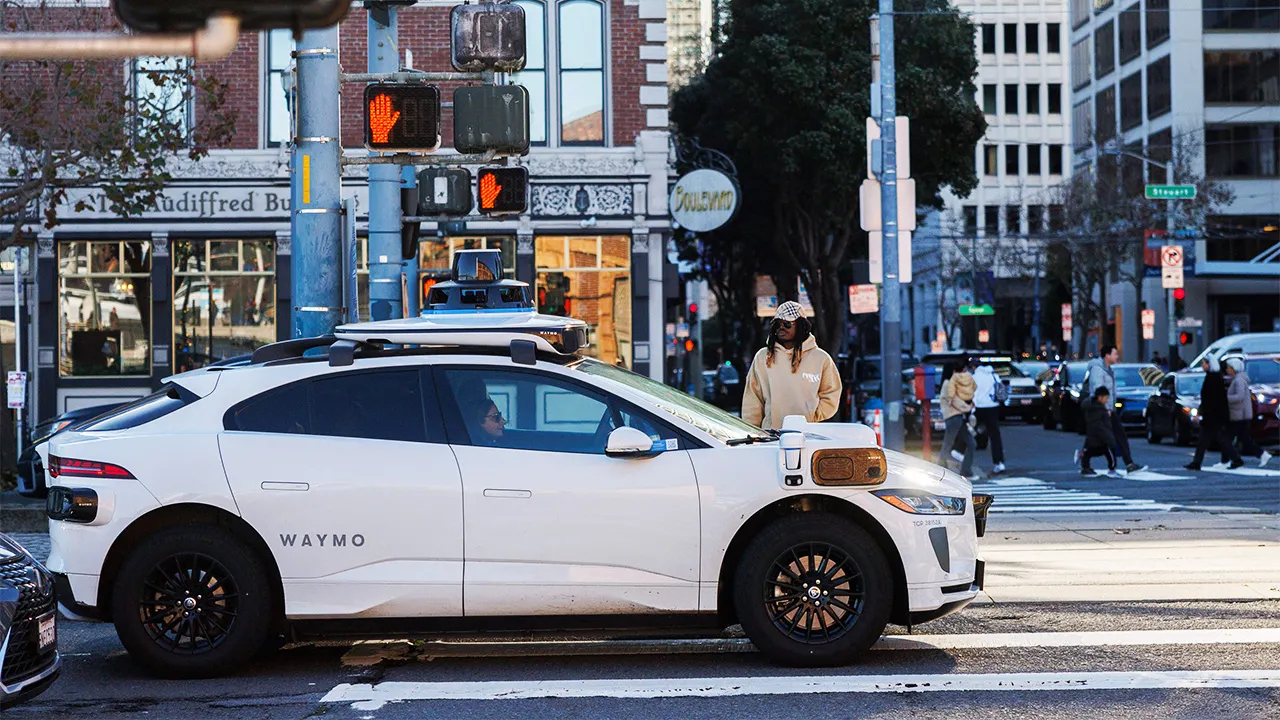
Key Takeaways:
- Accelerated Market Penetration:Waymo’s rapid expansion to 14 cities, including new launches in Denver, San Diego, and Tampa, signals a strategic push by Alphabet to establish early dominance in the nascent autonomous ride-hailing market, leveraging its mature technology and significant capital investment.
- Balancing Innovation and Regulation:Despite recent recalls and ongoing scrutiny, Waymo continues to secure crucial regulatory approvals and build community partnerships, underscoring the delicate balance required to scale AV technology while addressing safety concerns and fostering public trust.
- Disruptive Potential for Urban Mobility:The successful scaling of Waymo’s fully autonomous service has the potential to fundamentally reshape urban transportation, offering a glimpse into a future of driverless, potentially more cost-effective, and environmentally friendly mobility, which could profoundly impact traditional ride-hailing and automotive sectors.
‘Barron’s Roundtable’ panelists discuss the growth of autonomous ride-shares and what Waymo’s success means for the industry.
Mountain View, CA –Waymo, the autonomous vehicle (AV) pioneer under the Alphabet Inc. (NASDAQ: GOOGL) umbrella, has significantly accelerated its market penetration, launching fully autonomous ride-hailing services for public riders in three new major markets: Denver, San Diego, and Tampa. This expansion brings Waymo’s total operational footprint to an impressive 14 cities, marking a critical inflection point for the company and the broader autonomous mobility sector.
The strategic rollout, which began Tuesday, immediately signals Alphabet’s deepening commitment to transforming urban transportation. In each newly launched market, tens of thousands of prospective riders have already registered, demonstrating a tangible public appetite for driverless mobility solutions. Waymo’s measured approach involves gradually onboarding these eager users before eventually opening the service to the wider public, a tactic designed to ensure system robustness and cultivate user confidence.
“From coast to coast, we’re focused on making everyday transportation safer, easier and more accessible,” stated Suzanne Philion, chief marketing officer of Waymo. “Launching public rides in San Diego, Tampa and in my home state of Colorado brings our newest vehicle platform and next-generation driver to more riders who are ready to experience the future of mobility.” Philion’s remarks underscore Waymo’s long-term vision of integrating its driverless technology seamlessly into daily life, aiming to capture a significant share of the multi-trillion-dollar transportation market.
WAYMO GETS REGULATORY APPROVAL TO SCALE UP ROBOTAXI SERVICE ACROSS CALIFORNIA, ENTER 2 NEW MARKETS
Waymo on Tuesday began welcoming its first public riders in Denver, San Diego and Tampa, expanding its fully autonomous ride-hailing service to a total of 14 cities.(John J. Kim/Chicago Tribune/Tribune News Service via Getty Images)
This expansion comes on the heels of crucial regulatory victories, including recent approvals to scale up robotaxi services across the San Francisco Bay Area and Los Angeles, while simultaneously launching in Sacramento and San Diego. The regulatory landscape remains a key determinant for AV deployment, and Waymo’s ability to navigate complex local and state requirements provides a significant competitive advantage, especially compared to rivals who have faced more stringent operational restrictions or outright suspensions.
Waymo emphasizes that its service areas are meticulously designed to connect riders with essential destinations – from daily errands and commutes to late-night outings. This focus on practical utility aims to foster widespread adoption and cement Waymo’s service as a viable alternative to traditional human-driven ride-hailing platforms like Uber and Lyft, which face continuous pressure from driver wages and fluctuating fuel costs.
Local government support has proven instrumental in accelerating Waymo’s deployment. Colorado Gov. Jared Polis lauded the Denver launch, highlighting its contribution to “clean mobility choices for Coloradans.” Polis’s statement, “Colorado is leading the country in clean energy and innovation, and Waymo’s launch helps us achieve cleaner air sooner,” reflects a growing trend among municipalities to embrace AV technology as a component of broader urban planning and sustainability initiatives. Such political endorsements not only ease the path for Waymo but also signal a potential shift in public perception towards AVs as a solution, rather than just a novelty.
WAYMO RECALLS NEARLY 4,000 ROBOTAXIS AFTER CARS ENTER FREEWAY WORK ZONES
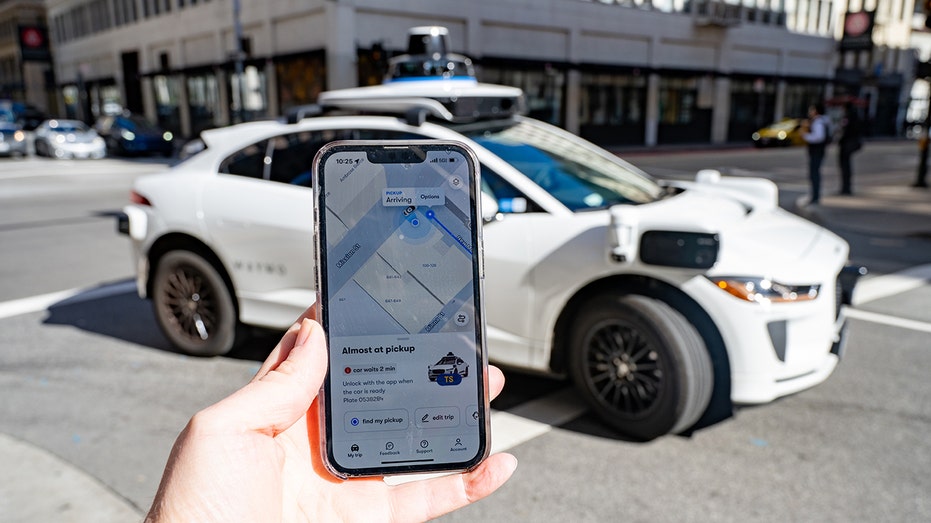
Waymo said its service areas are designed to connect riders with the places they “actually need to go and want to go,” including for errands, rides home from work and late-night trips.(Smith Collection/Gado/Getty Images)
It’s important to contextualize Waymo’s expansion within the broader industry landscape, which has seen its share of setbacks. The company itself recently recalled nearly 4,000 robotaxis after incidents involving cars entering freeway work zones. This recall, alongside more severe incidents faced by competitors such as GM’s Cruise, highlights the inherent challenges and ongoing need for rigorous safety protocols in autonomous driving development. However, Waymo quickly addressed the issue, underscoring its commitment to iterative improvement and safety. The company continues to cite compelling safety data, asserting that its Waymo Driver technology has been involved in 94% fewer crashes resulting in serious injuries or worse compared to human drivers covering the same distance – a crucial metric for both regulatory bodies and public acceptance.
Waymo’s systematic preparation for these launches, including months of validating its autonomous driving technology on local roads, working proactively with first responders, and partnering with community groups, reflects a mature approach to market entry. This thoroughness is vital for building the trust necessary for mass adoption, distinguishing Waymo from some competitors who have faced criticism for insufficient community engagement or testing rigor.
WAYMO RECALLS MASSIVE AUTONOMOUS FLEET AFTER INCIDENT FLAGS MAJOR SAFETY ISSUE

Waymo said it has spent months preparing for the launches.(Justin Sullivan/Getty Images)
This current wave of expansion builds upon a rapid cadence of growth. Just last month, Waymo outlined ambitious plans to further scale service across key California markets and announced its intention to bring Waymo to Munich, Germany, signaling an international strategic intent. Prior to that, in February, the company opened its fully autonomous ride-hailing service to public riders in Dallas, Houston, San Antonio, and Orlando. This relentless expansion trajectory positions Waymo as a frontrunner in a highly competitive and capital-intensive sector, with Alphabet clearly demonstrating a long-term commitment to its autonomous future.
CLICK HERE TO GET FOX BUSINESS ON THE GO
Market Impact:
Waymo’s aggressive expansion directly impacts several market segments. For Alphabet investors, this signifies the continued execution of a high-potential “moonshot” project that could eventually diversify revenue streams beyond its core advertising business, offering a substantial growth vector for the company’s valuation in the long run, despite ongoing R&D costs. The broader autonomous vehicle industry will view Waymo’s momentum as a critical benchmark, particularly given the recent difficulties faced by competitors like Cruise. Successful scaling by Waymo could attract further investment into the AV sector, accelerating technological development and regulatory adaptation. Conversely, traditional ride-hailing services like Uber and Lyft face a long-term existential threat as Waymo’s driverless model offers potentially lower operational costs and greater scalability, ultimately leading to more competitive pricing for consumers. The automotive industry, too, will be monitoring Waymo’s vehicle integration and fleet management strategies, potentially influencing future partnerships and in-house AV development. This expansion solidifies Waymo’s position as a leader, pushing the entire mobility sector closer to an autonomous future with profound implications for urban infrastructure, job markets, and consumer behavior.
FOX Business’ Michael Sinkewicz contributed to this report.