
Check out what’s clicking on FoxBusiness.com.
Key Takeaways
- Costco’s significant price hike and purchase limits on motor oil underscore the pervasive inflationary pressures impacting consumer goods, driven by escalating commodity costs and geopolitical instability.
- The vulnerability of global supply chains, particularly the reliance on specific regions like the Persian Gulf for critical base oils, translates directly into higher costs and potential scarcity for everyday consumer products.
- Rising energy prices, from crude oil to refined products like gasoline and diesel, are eroding consumer purchasing power, forcing households to allocate more budget to essential transportation and auto maintenance, with broader implications for discretionary spending and economic growth.
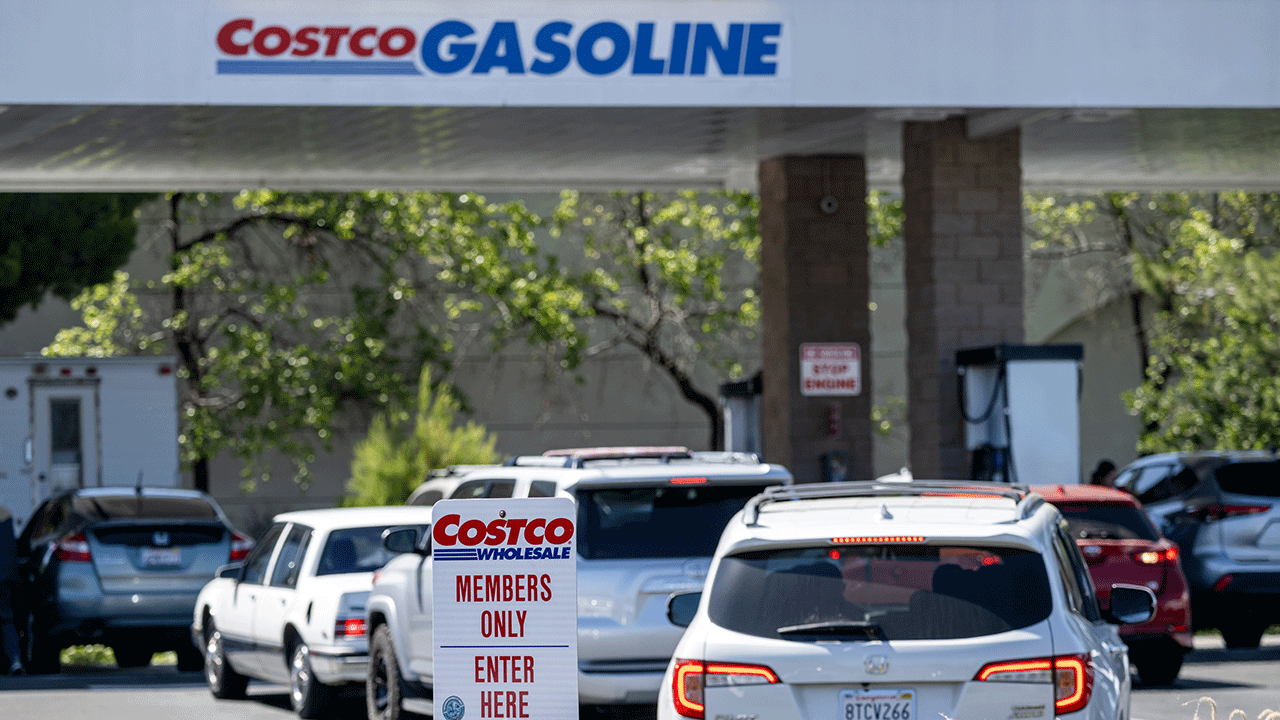
In a move that sends ripples through the consumer retail sector and highlights the persistent inflationary pressures stemming from global energy markets, warehouse giant Costco has significantly increased the price of its private-label Kirkland Signature full synthetic motor oil and imposed purchase limits. This action, mirroring similar restrictions on the Mobil 1 brand, serves as a tangible indicator of how macroeconomic forces – particularly geopolitical conflicts and commodity price surges – are directly impacting the cost of essential goods for millions of households.
A 10-quart case of Kirkland Signature full synthetic motor oil, a staple for many DIY auto maintenance enthusiasts, is now listed at $58 on Costco’s website. This represents a staggering increase from its previous price point, which hovered in the $30 to $35 range for much of the past several years. Such a dramatic price adjustment, nearly doubling the cost in some instances, is far beyond typical inflationary trends and points to acute supply-side pressures. Furthermore, customers are now restricted to purchasing only two cases per week, a policy designed to manage inventory, prevent hoarding, and ensure broader availability amidst tightening supply.

A 10-quart case of Kirkland Signature full synthetic motor oil is now $58.(David Paul Morris/Bloomberg / Getty Images)
Beyond its own brand, Costco is also applying similar stringent measures to other popular products. Purchases of Mobil 1 full-synthetic motor oil’s 1-quart six-pack, currently priced at approximately $44, are limited to five per membership. This dual approach indicates that the issue extends beyond merely Costco’s private-label sourcing and points to a systemic challenge in the broader motor oil market.
The core of this market dislocation lies in the global petroleum supply chain. Synthetic motor oils, whether Kirkland’s or Mobil 1’s, heavily rely on Group III base oils. These highly refined components are crucial for the performance characteristics of modern engine lubricants. Industry analysts confirm that a substantial portion of the Group III base oils utilized in the U.S. market is imported, predominantly from producers located in the Persian Gulf region. The ongoing geopolitical conflict in the Middle East has become a critical choke point, disrupting supply lines, increasing shipping costs, and adding a significant risk premium to these essential commodities. This supply vulnerability highlights the fragility of globalized production models, where regional instability can quickly translate into global price shocks for specialized inputs.
The direct correlation between rising crude oil prices and the cost of refined products is undeniable. On Monday morning, the international benchmark Brent Crude exceeded $109 per barrel. This is a significant ascent from less than $72 per barrel observed in early July, reflecting growing market anxiety over the potential for further supply disruptions. The uncertainty surrounding a diplomatic resolution that could restore normal oil shipments through the critical Strait of Hormuz – a vital passage for a substantial portion of the world’s oil supply – continues to fuel speculative buying and push prices upward. For refiners, the higher cost of crude directly impacts the production cost of base oils and, subsequently, finished lubricants.

Costco is limiting purchases of Mobil 1 full-synthetic motor oil’s 1-quart six-pack to five per membership.(David Paul Morris/Bloomberg / Getty Images)
The impact of these rising energy costs is not confined to specialty lubricants; it’s profoundly affecting the broader transportation sector and consumer budgets. The national average price of regular gasoline has surged to nearly $4.32 per gallon, a considerable jump from $4.08 a month ago and a stark contrast to $3.18 a year ago, according to data from AAA. Even more critically, diesel prices in the U.S. have established new records, surpassing $6 a gallon on average on Friday and continuing their ascent to $6.23 a gallon on Monday, up from an average of $5.90 just a week prior. Given that diesel powers much of the nation’s logistics and commercial transportation, these elevated costs will inevitably be passed through the supply chain, contributing to higher prices for virtually all goods and services.

Rising oil prices have pushed the national average price of regular gasoline to nearly $4.32 per gallon.(Elijah Nouvelage/Bloomberg via Getty Images / Getty Images)
Costco’s decision to raise prices and implement purchase limits is a strategic response to preserve margins and manage inventory in a volatile environment. For a retailer known for its value proposition and bulk savings, such measures are not taken lightly, signaling severe underlying cost pressures. The question now looms over other major motor oil retailers, including Walmart, Amazon, and AutoZone: will they follow suit with similar price adjustments and purchase restrictions? Their reactions will dictate the competitive landscape and further shape consumer expectations regarding pricing and availability.
For consumers, these trends mean an unavoidable increase in the cost of vehicle ownership and operation, squeezing household budgets already strained by broad-based inflation. This erosion of purchasing power for essential items like fuel and auto maintenance can divert spending away from discretionary categories, potentially impacting sectors like entertainment, dining, and non-essential retail. From a macroeconomic perspective, sustained high energy prices pose a significant risk of ‘cost-push’ inflation, where rising input costs drive up general price levels, potentially leading central banks to maintain or even accelerate monetary tightening, with implications for economic growth and employment.
GET FOX BUSINESS ON THE GO BY CLICKING HERE
Market Impact
The actions taken by Costco have significant market ramifications. For investors, it underscores the persistent inflationary environment, indicating that corporate margins in the retail sector remain under pressure from escalating commodity prices. Companies with less robust supply chain management or weaker pricing power may struggle more acutely. The broader energy market, including oil futures and energy sector equities, stands to benefit from sustained high prices, while consumer discretionary stocks could face headwinds as household budgets tighten. Furthermore, these developments will undoubtedly influence central bank policy, reinforcing the case for continued vigilance against inflation and potentially impacting the pace and magnitude of future interest rate hikes. The direct pass-through of commodity costs to consumers for essential goods like motor oil suggests that inflation is deeply embedded, posing a challenge to economic stability and consumer confidence.