
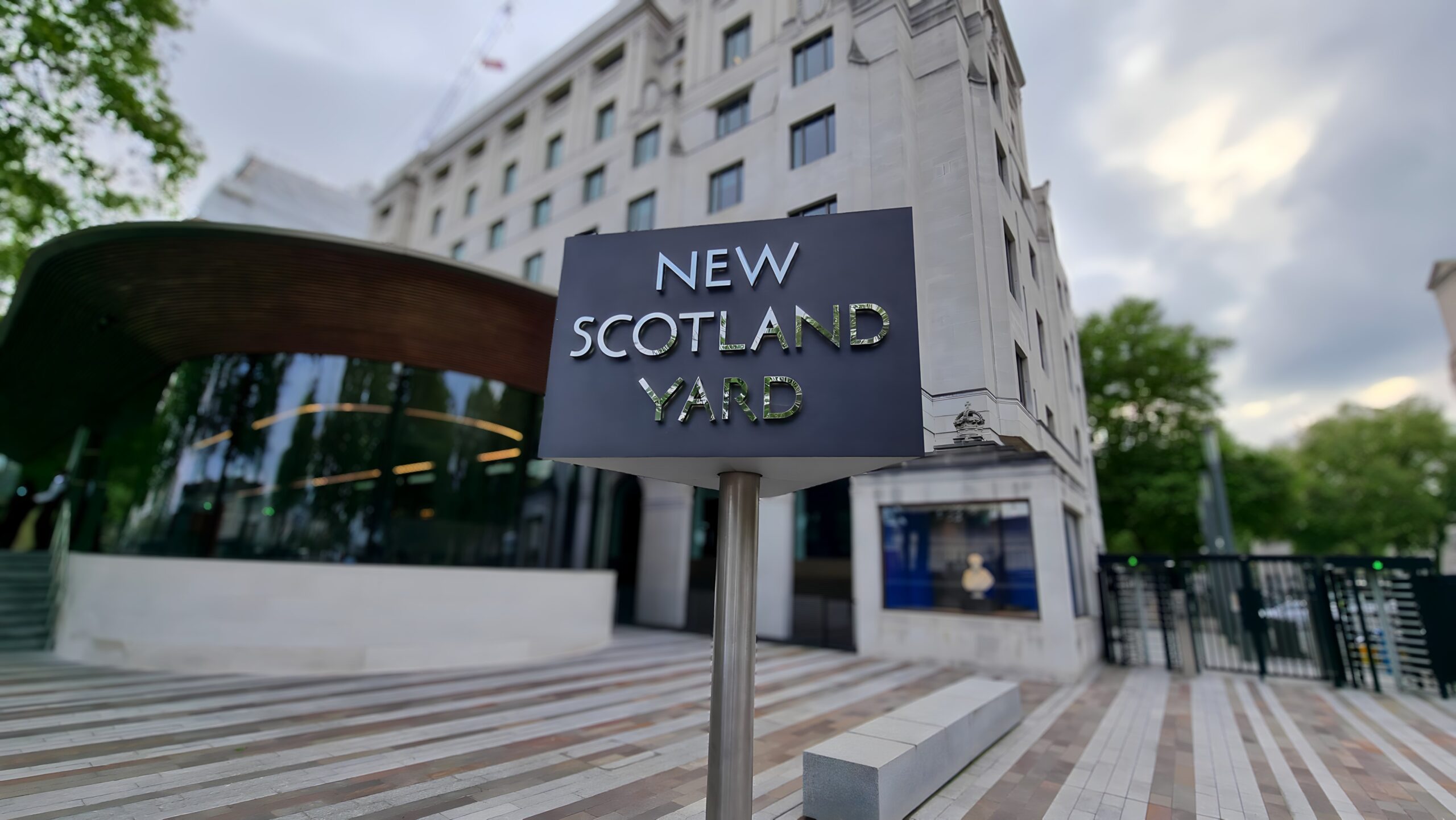
Investigation Underway After Five Released on Bail Following RAF Fairford Incident
Counter Terrorism Policing is currently assessing whether a recent incident near RAF Fairford was orchestrated by proxies or individuals acting, either knowingly or unknowingly, on behalf of a foreign state. This announcement came from Assistant Commissioner Laurence Taylor, head of National Counter Terrorism Policing, who also confirmed that the five men arrested in connection with the event have been released on police bail.
Assistant Commissioner Taylor provided a detailed account of the sequence of events in a public statement. He explained that in the early hours of Sunday morning, Gloucestershire Police received a report concerning suspicious vehicles in the vicinity of RAF Fairford. Responding swiftly to this information, armed officers were dispatched to the scene, leading to the arrest of five men. The initial arrests were made on suspicion of offences under the Explosives Act, with subsequent suspicions leading to further arrests under Section 5 of the Terrorism Act 2006, which pertains to the preparation of terrorist acts.
The arrested individuals had been traveling in three separate vehicles. These vehicles underwent extensive examination overnight, with the critical support of military assets and forensic experts. Significant resources from various agencies remain deployed at the scene, and a security cordon is still in effect around the area. However, Assistant Commissioner Taylor indicated that authorities hope to reduce the cordon and facilitate the return of residents to their homes as soon as it is safe and practicable to do so. The disruption caused to local communities and the base itself has been acknowledged as substantial, and residents have been thanked for their patience.
Addressing the status of the arrested men, Taylor clarified, “I can confirm that following extensive interviews and enquiries, the five men who were arrested are being released on police bail this afternoon. To be very clear, this does not mean the investigation is over.” He stressed that the men are subject to stringent conditions regulating their movement and contact with other individuals, underscoring that they “absolutely remain under investigation as we explore multiple lines of enquiry.” Such bail conditions typically include requirements like reporting to a police station, adhering to curfews, and restrictions on travel or communication, designed to mitigate potential risks while the investigation continues.
Assistant Commissioner Taylor proactively addressed the growing public interest in the international dimensions of the incident, stating that the force is maintaining a completely open mind. “I know there is significant interest in whether the current geopolitical context has a bearing on this incident,” he remarked. “At Counter Terrorism Policing we are working within this context every day, and at this stage, we are keeping an open mind in this investigation.” He assured the public that protective security advice and posture have been adjusted to remain proportionate to the prevailing threat level. He further elaborated on the scope of the investigation, asserting, “But be assured, we are considering this from every possible angle. Including, that this may be activity committed by proxies, or individuals either knowingly or unknowingly, working on behalf of a foreign state.”
This formulation reflects a pattern that British police and the Security Service (MI5) have increasingly highlighted as a significant and evolving threat. Hostile states are known to recruit criminals or opportunists through intermediaries to conduct reconnaissance, arson, or acts of sabotage. This method aims to create a layer of deniability, making it challenging to directly link the perpetrators back to the state sponsor. Taylor reinforced this theme later in his statement, echoing warnings he has made on previous occasions regarding the evolving threat landscape. “I have spoken before about the increasing breadth and complexity of the threats we are facing,” he stated. “Often this threat becomes visible to us as criminal activity, often at a small scale and committed by individuals whose primary aim is not terrorism but a quick financial gain. It can be harder to spot, and to that end, I would ask the public to remain vigilant and report anything suspicious to police.” RAF Fairford, a prominent United States Air Force base and a key site for air operations and intelligence gathering, represents a strategically significant location, making it a potential target for various actors seeking to disrupt or gather information.
Addressing speculative reports about prior intelligence or knowledge, Taylor affirmed the operational complexities without divulging specific details. “I am also very conscious that there is a great deal of speculation about what may or may not have been known previously about potential threats or activity,” he noted. “As I hope the public understand, I will not always be able to share this type of information. What I do ask is that the public understand that we work hand in glove with MI5 to keep them safe from a myriad of threats and do everything we can to protect them.”
Taylor also provided insight into the extensive scale of the police response. He emphasized that a rapid and robust mobilization of resources is necessary when a potential threat is identified, as the risk cannot be tolerated while the nature of the threat is being assessed. Once a clearer understanding of the situation emerges, the primary objective shifts to returning affected communities to normality as swiftly as possible. He reiterated his gratitude to local residents for their understanding and patience during what has been a significantly disruptive event for both the community and the military base.
Why This Matters
The incident near RAF Fairford and the subsequent statements from Assistant Commissioner Laurence Taylor highlight several critical dimensions of the United Kingdom’s current national security landscape. Firstly, it underscores the persistent and evolving nature of threats faced by the UK, moving beyond traditional terrorist organizations to include sophisticated challenges posed by hostile state actors and their proxies. The explicit mention of foreign state involvement, whether through knowing agents or unwitting individuals, signals a significant shift in the focus of counter-terrorism efforts, reflecting heightened geopolitical tensions that can manifest on British soil.
Secondly, the police’s emphasis on “proxies” and “small-scale criminal activity for financial gain” reveals a growing challenge for law enforcement and intelligence agencies. These new methodologies make threats harder to detect and attribute, as they often blend into ordinary criminal enterprises rather than fitting the conventional profile of ideologically motivated terrorism. This complexity demands increased vigilance not just from security services, but also from the public, who are being asked to report suspicious activities that might, at first glance, appear minor or unrelated to national security. The release of suspects on stringent bail conditions also demonstrates the delicate balance police must strike between robust security responses and the legal rights of individuals, all while ensuring ongoing investigations are not compromised.
Finally, the incident at RAF Fairford, a strategically vital US Air Force base, serves as a stark reminder of the critical infrastructure that remains a potential target for various malevolent actors. The scale of the police response, involving armed officers, military assets, and forensic experts, reflects the seriousness with which authorities treat potential threats to such sites. This event, therefore, is not merely an isolated crime, but a bellwether for the broader, intricate, and often covert struggle to safeguard national security in an increasingly interconnected and volatile world, urging both governmental bodies and the citizenry to adapt to an ever-changing threat environment.