
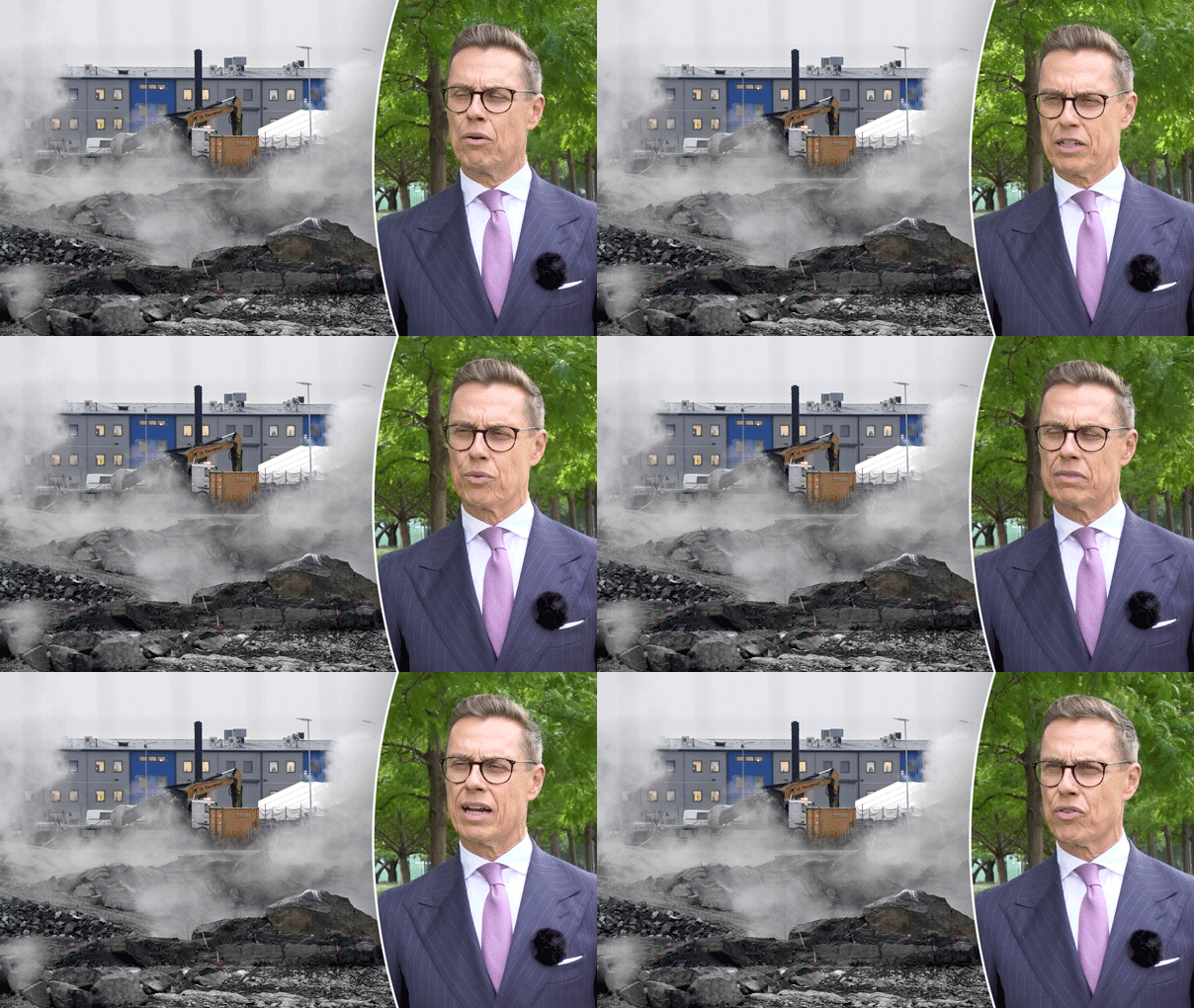
With Google announcing a €30 billion AI and digital infrastructure investment, Finnish President Alexander Stubb explains how Finland’s security strategy is helping protect critical tech infrastructure while attracting global investments.
KEY TAKEAWAYS
- Finland’s strategic combination of abundant clean energy, robust national security, and a naturally cold climate is establishing it as a premier global destination for critical AI infrastructure investments from tech giants like Google.
- The escalating global demand for AI computing power is driving unprecedented capital expenditure into data centers, making sovereign stability, cyber resilience, and sustainable energy supply paramount de-risking factors for long-term corporate deployments.
- This significant investment trend highlights a growing competitive landscape among nations vying for digital infrastructure, underscoring the increasing market value of secure, green, and resilient operating environments in the global technology race.
UNITED NATIONS –In a significant signal of shifting global capital flows towards secure and sustainable digital infrastructure, Finland is positioning itself at the forefront of the artificial intelligence boom. This comes after tech titan Google announced plans to invest a staggering €30 billion (approximately $32.5 billion based on current exchange rates and the original caption’s figure, rather than the article body’s $15.2 billion, indicating a potential update or broader commitment) in digital infrastructure across the Nordic nation over the next two years. This colossal commitment represents one of the largest technology investments in the country’s history, underscoring Finland’s strategic appeal in the increasingly competitive market for AI compute and data storage.
Finnish President Alexander Stubb, in an exclusive interview with Fox News Digital, emphasized that Google’s multi-billion euro outlay is a testament to Finland’s unique confluence of advantages. “Companies make their own decisions on where to invest in their data centers, and we’re of course happy that Google has invested,” Stubb told Fox News Digital, detailing the compelling factors at play. These include an abundant supply of clean energy, a highly secure and stable operating environment, and a rapidly expanding technology sector, collectively making Finland an increasingly attractive destination for mission-critical AI infrastructure development.
“They do it because we’re able to provide clean energy, 95% of our electricity is clean. It’s because we have a system of security, and we are able to fend [off] any types of cyberattacks and, of course, because we are in a rather cold climate,” Stubb elaborated. From a market perspective, these attributes translate directly into tangible benefits for investors. The emphasis on 95% clean electricity not only aligns with burgeoning Environmental, Social, and Governance (ESG) mandates for corporations but also offers a significant operational cost advantage through stable and renewable energy sourcing, mitigating exposure to volatile fossil fuel markets. Furthermore, the natural cooling provided by Finland’s cold climate reduces energy consumption for data center operations, directly impacting profitability and sustainability metrics, a crucial factor as energy costs for AI infrastructure continue to soar globally.
MASSIVE AI BOOM PUTS ONE OF AMERICA’S OLDEST MANUFACTURERS ON PATH TO DOUBLE IN SIZE, CEO SAYS
Finnish President Alexander Stubb speaks during an exclusive interview with Fox News Digital on the sidelines of the 81st United Nations General Assembly in New York City, Sept. 2026. (Brooke Curto/Fox News Digital / Fox News)
The timing of this investment is particularly pertinent as governments and technology companies globally are pouring unprecedented billions into the data centers essential for supporting the burgeoning artificial intelligence ecosystem. The insatiable demand for processing power required by large language models (LLMs) and generative AI applications necessitates robust, reliable electricity grids and resilient infrastructure that can scale rapidly. In this context, Finland’s proactive approach to energy independence and grid stability offers a significant competitive advantage over regions grappling with energy shortages or an overreliance on less sustainable sources. This places Finland in a strong position to capture a larger share of the global data center market, currently valued in the hundreds of billions and projected to grow exponentially.
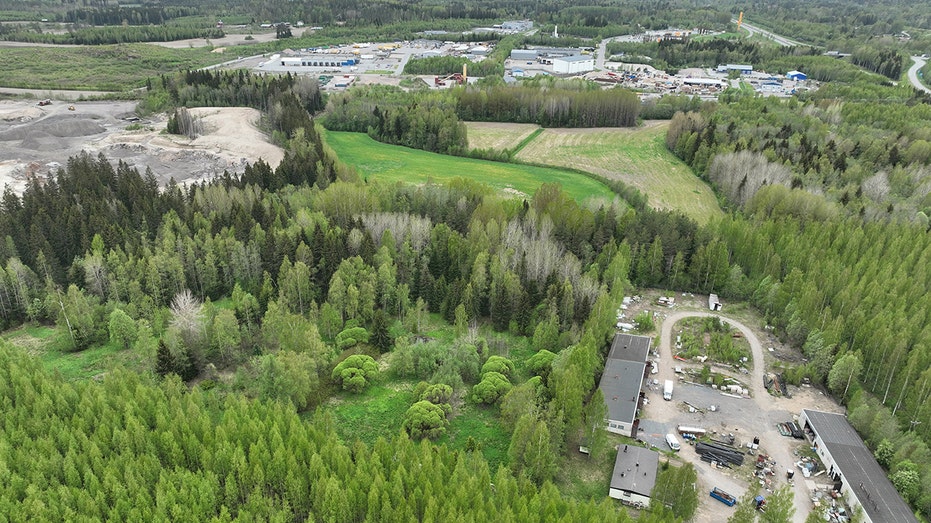
A drone view of a data center campus of the AI infrastructure firm Nebius and Finnish developer Polarnode, ahead of the start of its construction, in a forest area in Pajarila, Lappeenranta, Finland May 26, 2025.(Polarnode/Handout via REUTERS / Reuters)
When questioned about Finland’s adaptation to the persistent cyberattacks and hybrid warfare tactics employed by neighboring Russia, President Stubb highlighted that national security has evolved into a critical determinant for corporate investment decisions. In an era of heightened geopolitical tensions and sophisticated digital threats, the ability of a nation to safeguard critical digital infrastructure from state-sponsored attacks becomes a crucial de-risking factor for multinational corporations. Finland’s reputation for robust cyber defenses and its recent accession to NATO further enhance its perceived security premium, providing businesses with the confidence to undertake significant, long-term capital projects without the heightened geopolitical risk associated with other regions. This translates directly into a more attractive risk-adjusted return for investors.
EXCLUSIVE: FINLAND’S STUBB CREDITS TRUMP FOR PUSHING UKRAINE PEACE TALKS WHILE DISMISSING RUSSIAN INVASION FEARS
Stubb asserted that Finland has cultivated an operating environment where businesses can confidently build and expand critical digital infrastructure, underpinned by continuous strengthening of its national cyber defenses. This strategic emphasis on digital resilience not only protects existing assets but also acts as a powerful magnet for new foreign direct investment (FDI) in the technology sector, appealing to firms seeking to mitigate operational and reputational risks associated with less secure locales. The Finnish model demonstrates that in the digital age, national security is inextricably linked to economic prosperity and market attractiveness, creating a virtuous cycle of investment and development.
Stubb expressed confidence that Google’s substantial investment will not be an isolated incident, signaling a broader trend of major technology companies expanding their presence in Finland. “Right now we have about 50 data centers, we have 25 more in the pipeline,” he revealed, painting a picture of a burgeoning digital infrastructure hub. This pipeline of future projects underscores the sustained market interest and the successful groundwork laid by Finland’s government and private sector to create a conducive investment climate. The density of data centers also fosters an ecosystem of related services and talent, creating network effects that further strengthen Finland’s competitive edge in attracting and retaining high-value tech operations.
CRUZ WARNS ANTI-AI WAVE IS A ‘DELIBERATE, ORGANIZED’ INFLUENCE PUSH
Beyond the core data center investments, Stubb highlighted Finland’s broader ecosystem built around emerging technologies. He cited innovators like IQM Quantum Computers, which is at the forefront of the nascent but high-potential quantum computing market; satellite firms ReOrbit and Kuva Space, tapping into the rapidly growing space technology sector for connectivity and Earth observation; and the venerable telecommunications company Nokia, a global leader in 5G and future 6G network infrastructure. “And we have, of course, Nokia,” he noted. “Right now when Americans are looking at their phones, it’s very probable that it’s a Nokia network that they’re following.” This diverse portfolio of tech innovation positions Finland not just as a host for data, but as an active participant and developer in the cutting-edge fields driving the global digital transformation, offering diversified investment opportunities beyond mere infrastructure.
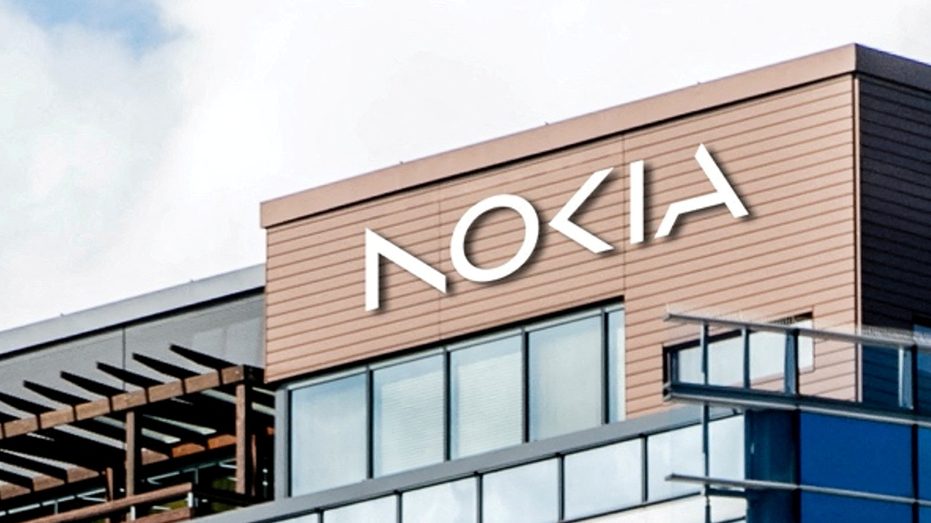
A general view of the Nokia headquarters, showing the new logo, in Espoo, Finland, as seen in an image released February 26, 2023.(Reuters / Reuters Photos)
Google stated its investment aims to significantly expand its digital infrastructure supporting AI and cloud services, simultaneously creating high-value jobs and solidifying Finland’s role as a pivotal technology hub within Europe and globally. This strategic alignment between a major tech corporation’s growth ambitions and a nation’s economic development objectives exemplifies the synergistic potential of well-targeted FDI, particularly in an era where digital sovereignty and data locality are becoming increasingly important for enterprises and governments alike.
GET FOX BUSINESS ON THE GO BY CLICKING HERE
Stubb affirmed Finland’s resolve to continuously build upon this momentum. “We have the infrastructure,” he concluded, delivering a clear message to the international investment community: “The basic message is Finland is open for investment. We’ve got this.” This assertive stance reflects a confident nation leveraging its natural resources, geopolitical stability, and technological prowess to attract and sustain high-value capital in the most dynamic sector of the global economy, setting a benchmark for other nations vying for a piece of the AI infrastructure pie.
MARKET IMPACT
Google’s substantial investment in Finland’s digital infrastructure carries profound market implications across several sectors. For the technology industry, it signals a critical shift towards securing diverse, resilient, and sustainable data center footprints globally, intensifying competition among nations to offer optimal conditions. This will likely drive up demand for clean energy solutions, advanced cybersecurity technologies, and skilled tech talent in regions capable of meeting these stringent requirements. Investors should watch for increased capital expenditure announcements from other hyperscalers and cloud providers seeking similar strategic advantages, potentially impacting the stock performance of companies involved in data center construction, renewable energy infrastructure (e.g., wind, hydro, nuclear), and network security. For Finland, this investment solidifies its position as a burgeoning tech hub, attracting further foreign direct investment and fostering a robust ecosystem for innovation and job creation. The move also highlights the growing importance of geopolitical stability and robust national cybersecurity as premium considerations for corporate risk assessment and long-term capital allocation, potentially influencing sovereign bond markets and the perceived investment safety of countries in volatile regions. Furthermore, the sheer scale of the investment underscores the projected long-term profitability and strategic value of foundational AI infrastructure, solidifying its status as a critical asset class.