
Key Takeaways
- Heightened Geopolitical Risk Premium:The suspected plot near RAF Fairford, coupled with alleged foreign state involvement and swift bail, underscores persistent geopolitical instability, particularly concerning Iran. This adds a risk premium to global assets, potentially impacting energy prices, defense stocks, and investor sentiment towards riskier ventures.
- Scrutiny on Defence and Security Spending:The incident shines a spotlight on the efficacy of national security protocols and intelligence gathering. This may prompt increased government expenditure on defence and intelligence, benefiting contractors but also raising questions about fiscal priorities and potential delays in non-security related projects.
- Investor Uncertainty and Currency Volatility:The unusual speed of the suspects’ bail release, despite serious allegations, could fuel market speculation and uncertainty. Such ambiguity can deter foreign direct investment, potentially weighing on the British Pound and increasing demand for safe-haven assets.
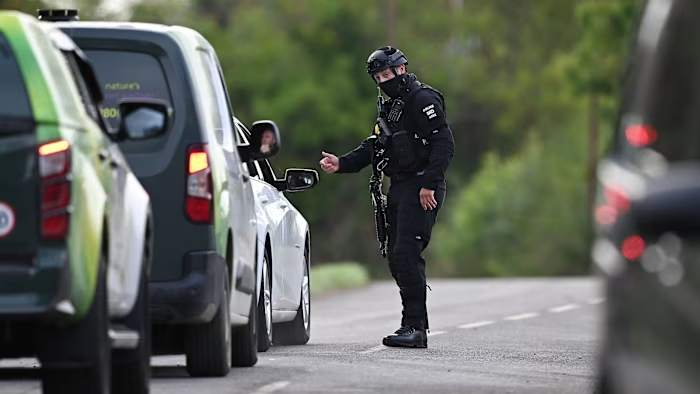
The unexpected release on bail of five British men arrested on suspicion of a terror plot near RAF Fairford has sent ripples through security circles and financial markets alike, introducing a fresh layer of geopolitical uncertainty into an already volatile global economic landscape. Initially detained under suspicion of offences related to the Explosives Act and preparing a terrorist act, their swift release, even with stringent conditions, raises more questions than answers for investors and policymakers.
Laurence Taylor, head of National Counter Terror Policing for the UK, confirmed the men remain suspects, signalling an ongoing investigation into what he acknowledged could be activity committed by proxies or individuals “working on behalf of a foreign state.” This direct reference to foreign interference, particularly in the context of RAF Fairford’s use by the US Air Force for “defensive strikes on Iran,” immediately draws a clear line to the persistent tensions in the Middle East and their potential to spill over into Western domestic security.
From a market perspective, such incidents introduce a tangible geopolitical risk premium. Traders in commodity markets, especially oil, are keenly sensitive to any development that could destabilize the Middle East. While an isolated incident might not trigger an immediate price spike, the mere hint of a direct threat to a strategic military asset involved in operations against a major oil producer like Iran can fuel speculative buying, hedging activities, and elevate the perceived risk of supply disruptions. Brent crude and WTI futures often react to such headlines, creating volatility that impacts airlines, logistics companies, and ultimately, consumer purchasing power.
The defence sector, naturally, finds itself in focus. Companies like BAE Systems in the UK or Lockheed Martin and Raytheon Technologies in the US may see their stock valuations influenced by heightened security concerns. Increased threats often translate into larger defence budgets, accelerated procurement cycles, and greater investment in advanced security technologies, from surveillance systems to cyber defence. However, the unexpected bail decision could also introduce a degree of ambiguity: if the threat is less imminent than initially perceived, or if the authorities wish to de-escalate publicly, it might temper the immediate ‘fear premium’ that often boosts defence stock prices.
Taylor’s acknowledgement of the “significant interest” in the “current geopolitical context” is key for financial analysis. The Iranian embassy’s “categorically” strong condemnation of involvement, juxtaposed with past MI5 warnings of over 20 Iran-backed plots in the UK, paints a complex picture. Investors are left weighing competing narratives: is this a genuine, thwarted state-sponsored attack, or a less severe incident being handled with extreme caution? The answer directly impacts how a country’s risk profile is perceived by international capital.
The swift bail release, described as “unusual” for suspects held under the Terrorism Act, could be interpreted in several ways by the market. Optimistically, it might suggest the initial threat assessment was higher than the evidence currently supports, potentially calming nerves. More pessimistically, it could imply a delicate diplomatic situation where public prosecution might exacerbate international tensions, leading to a quieter, more managed investigation. This ambiguity, however, is a known detractor for foreign direct investment (FDI), as investors prefer clarity and predictable legal frameworks.
Questions surrounding the awareness of the threat by UK and US authorities also loom large. Defence secretary Wes Streeting’s assertion that the farmer “does only have a partial picture,” coupled with former US President Donald Trump’s claim of having the suspects “under view for a long time,” suggests a disconnect or a highly nuanced intelligence operation. A perceived gap in intelligence, or a lack of transparency around such critical national security incidents, can erode investor confidence in government efficacy and the stability of the operating environment. Long-term capital seeks stability, and episodes that highlight potential vulnerabilities in state security apparatuses can deter investment, impacting economic growth and currency strength.
Prime Minister Andy Burnham’s decision to chair a Cobra meeting underscores the gravity of the situation at the highest levels of government. Cobra meetings, typically convened for national emergencies, signal to markets that the government is taking the threat seriously. While this can initially reassure, it also reinforces the scale of the perceived risk, potentially leading to increased demand for safe-haven assets like government bonds (gilts), gold, or the US dollar, at the expense of equity markets and the British Pound.
The historical context provided by MI5 director Sir Ken McCallum – referencing over 20 Iran-backed plots and seven recent attacks on Jewish, Israeli, and Iranian dissident targets in London – is crucial for understanding the escalating nature of this geopolitical risk. For investors, this isn’t an isolated event but part of a discernible pattern of hybrid warfare and proxy activity. Companies operating in the UK or with significant exposure to Middle Eastern markets must factor these evolving threats into their risk assessments, supply chain resilience, and insurance strategies. The insurance sector, particularly in political risk and terrorism coverage, may see adjustments to premiums as underwriters reassess the threat landscape.
The local farmer’s account of alerting authorities after encountering “hooded and masked men” and her subsequent criticism of official response mechanisms adds another layer of concern. While a civilian tip-off is commendable, the implication that perimeter security around a critical military asset was insufficient “clearly was not happening” could raise questions about UK’s readiness. This perception, whether accurate or not, can impact sovereign credit ratings and the perceived safety for international businesses and their personnel, potentially leading to higher operational costs or a re-evaluation of expansion plans.
Ultimately, the incident near RAF Fairford serves as a stark reminder of the interconnectedness of geopolitics and global finance. Every development, from alleged terror plots to government responses and intelligence assessments, is meticulously weighed by market participants. The lack of full transparency, the unusual legal process, and the underlying geopolitical tensions collectively contribute to an environment of elevated risk, demanding astute analysis from financial journalists and cautious decision-making from investors.
Market Impact
The suspected terror plot and its subsequent developments are likely to inject a degree of short-term volatility and a sustained geopolitical risk premium across financial markets. While immediate dramatic shifts may be contained by the ongoing investigation and lack of confirmed details, the implicit threat to critical Western infrastructure and the alleged involvement of a foreign state will keep energy prices sensitive to further Middle East developments. Defence contractors could see a boost from anticipated increases in security spending, but broader investor sentiment, particularly in the UK, may turn cautious, potentially weakening the British Pound and encouraging a flight to safer assets until greater clarity emerges regarding the true nature and extent of the threat and the UK’s preparedness.