
**Seismic Shockwaves Rock Portuguese Football: Cristiano Ronaldo Departs Camp Amidst Fiery Rift!**
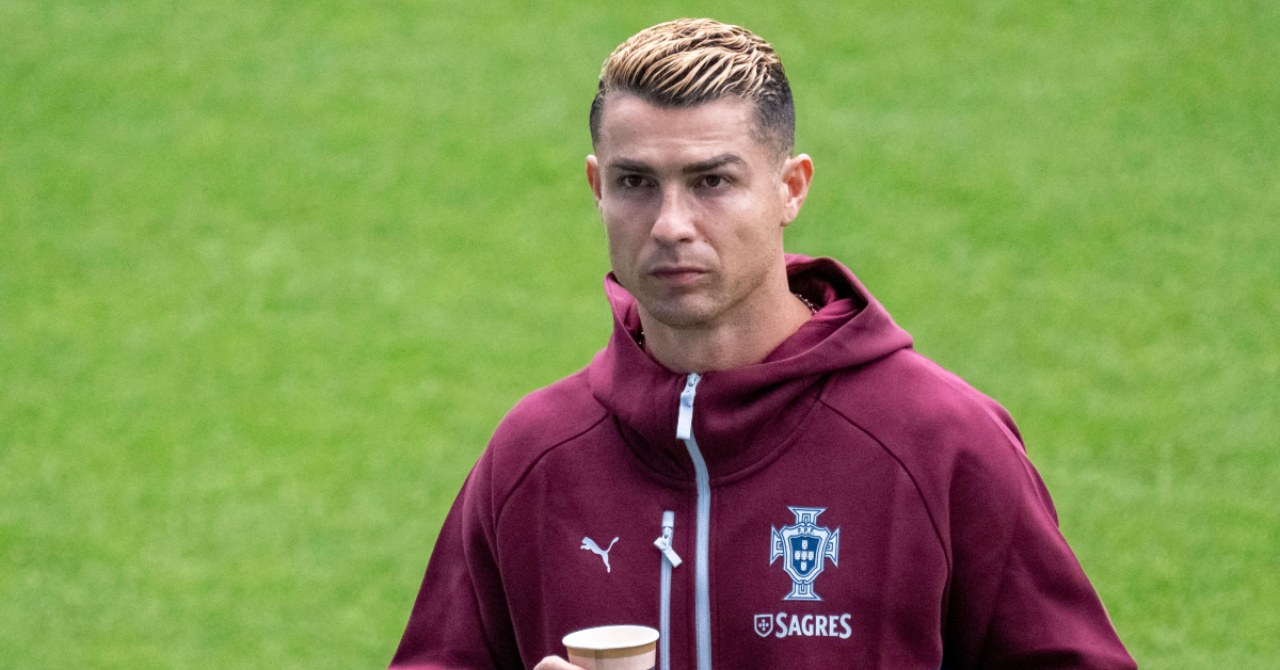
In an unprecedented turn of events that has sent tremors across the global football landscape, Cristiano Ronaldo, the undisputed titan of Portuguese football, has sensationally abandoned the national team camp. Reports confirm a spectacular and irreconcilable rift with head coach Jorge Jesus, plunging the Seleção into an immediate crisis just days before a crucial Nations League fixture.
Ronaldo’s international future, once seemingly immutable, now hangs precariously in the balance. The 41-year-old icon, Portugal’s captain, most decorated player, record goalscorer, and record appearance maker, issued a cryptic statement hinting at a fuller revelation of the ‘truth’ behind his departure. The football world holds its breath, desperate for answers.
But how did it all unravel so spectacularly? How did the seemingly indestructible bond between CR7 and his nation fray to the point of a public, acrimonious split? This isn’t just a player leaving; it’s a legend’s dramatic exit, a testament to the unforgiving nature of elite sport and the clash of colossal egos. Let’s dissect the explosive timeline of how CR7’s Portugal fallout became an undeniable reality.
Ronaldo and Portugal: The Unfolding Catastrophe
Just seven days prior, a fragile peace seemed to have settled. Ronaldo had publicly affirmed his commitment, swayed by conversations with Portuguese Football Federation president Pedro Proença and new head coach Jorge Jesus. The veteran striker, having mulled international retirement post-2026 World Cup, seemed ready for one last dance. But the calm was merely a prelude to the storm, a dramatic breakdown culminating in his abrupt departure.
7 July — World Cup Exit & The First Cracks Emerge
The 2026 World Cup campaign ended in a bitter 1-0 defeat to eventual champions Spain. Coach Roberto Martínez announced his exit, but the bigger question mark hovered over Ronaldo. Asked about his own future, a defiant yet cagey Ronaldo stated, “Now is not the time to make that decision.” While confirming the 2026 tournament would be his last, this ambiguity was the first tremor, a subtle hint that the foundation of his international career might be shifting. Was he genuinely weighing his options, or already sensing a changing tide?
10 July — Jorge Jesus Takes The Reins: A Gauntlet Thrown
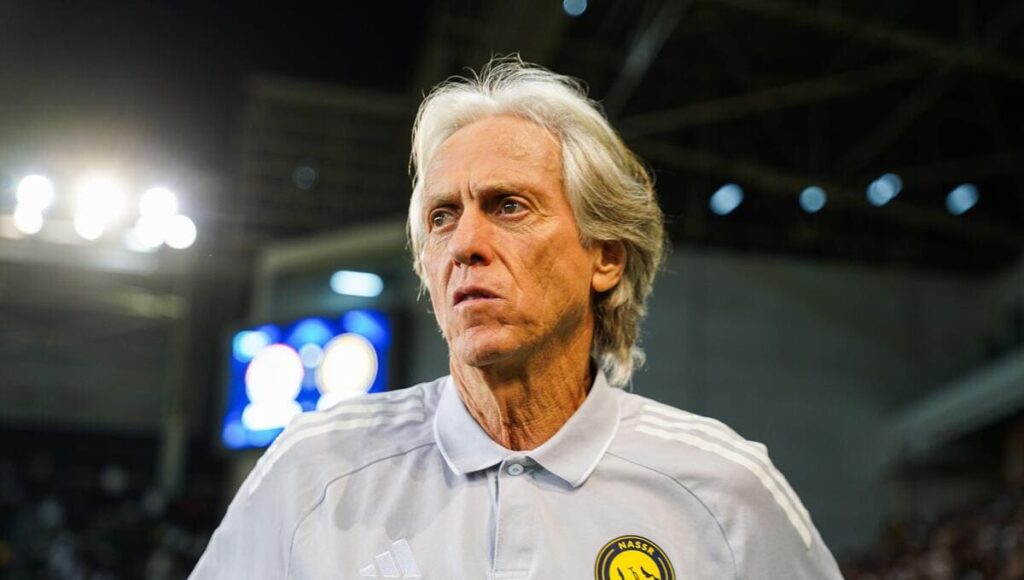
Three days later, Jorge Jesus, a coach known for his iron will and pragmatic approach, was appointed. Having previously coached Ronaldo at Al Nassr, Jesus immediately laid down a marker: “Cris will never be a problem… I’ll do what I think is best for the Seleção.” This wasn’t merely a statement of intent; it was a clear warning. No sacred cows. No special treatment, even for Cristiano Ronaldo. The stage was set for an inevitable clash between the immovable object of a legend’s status and the irresistible force of a new coach’s vision.
18 September — Ronaldo Selected: A Brief Respite
Jesus announced his inaugural Portugal squad for the Nations League, and Ronaldo’s name was on it. For a moment, it seemed the friction might be managed. His inclusion offered a glimmer of hope that the seasoned campaigner could still find a role, perhaps a more measured one, under his former Al-Nassr mentor. This selection was less an endorsement of his absolute indispensability and more a tactical opening gambit from Jesus, testing the waters.
23 September — Public Declaration: “I’m Going To Continue”
Speaking at the Portugal Football Summit, Ronaldo emphatically declared his intention to continue. He revealed that conversations with Proença and Jesus had changed his mind. “They count on me. I still believe I can help the national team achieve what they want,” he stated, even praising Jesus as “the perfect choice.” This public affirmation, intended to quash speculation, now reads like an unwitting premonition of his own downfall. Did he truly believe Jesus’s assurances, or was he asserting his enduring influence in the face of subtle challenges?
24 September – Ronaldo Starts Against Wales: The Warning Shot
Ronaldo started Portugal’s Nations League opener against Wales in Lisbon. The performance, however, was anything but vintage. A frustrating evening saw him miss two clear-cut chances, leaving the heroics to his Al-Nassr teammate João Félix, who netted the winner. This was the first tangible evidence that his impact might be waning, a public demonstration of his struggle to influence games as dominantly as before. The very next day after his public declaration, doubt began to creep in.
27 September – Benched Against Norway: The Ultimate Humiliation
Three days later, the situation detonated. Portugal travelled to Oslo to face Norway, and Jesus made his most audacious move yet: Ronaldo was dropped. João Félix and Gonçalo Ramos led the line, leaving the greatest goalscorer in international history on the bench. Ronaldo warmed up, a familiar ritual, but the call never came. He remained an unused substitute as Ramos, the younger, hungrier striker, scored the winning goal in a 2-1 victory. This wasn’t merely a tactical decision; it was a powerful, public statement from Jesus that his reign would tolerate no exceptions, no matter how iconic the player.
27 September – The Walkout: Visible Discontent
The humiliation was compounded immediately after the final whistle. While his teammates acknowledged the travelling supporters, Ronaldo conspicuously headed straight for the dressing room, a visible display of his profound displeasure. This wasn’t the captain embracing the team’s victory; it was a stark, solitary walk, signaling a deeper fracture than anyone had initially imagined. The image of the solitary legend storming off speaks volumes.
28-29 September – Training in Isolation: The Ostracization
The following days saw Ronaldo isolated. He did not participate in normal group training sessions. The official line from the FPF was a vague “physical problem,” with claims he was working individually in the gym. Few were convinced. This separation from the squad was a clear sign of deep-seated issues, fueling speculation that Ronaldo was either being deliberately sidelined or was refusing to engage with the team dynamic under Jesus.
29 September – FPF Chief Intervenes: Crisis Management
The gravity of the situation was underscored when FPF president Pedro Proença altered his plans to travel to Copenhagen. His mission: to mediate between Ronaldo and Jesus ahead of the Denmark clash. This presidential intervention confirmed that the friction had escalated from a coach-player dynamic to a full-blown national crisis. The very man Ronaldo had credited with convincing him to stay was now being forced to quell a rebellion.
30 September – Jesus’ Denials: A Facade Crumbles
On the eve of the Denmark game, Jesus attempted to douse the flames, insisting, “He didn’t refuse. He’s going to train today.” He claimed he’d been “forced to talk to Cris about an issue that didn’t exist,” yet revealed Ronaldo’s telling words: “I’m here for you to decide. If you want me to play, I’ll play. If you want me to go to the stands, I’ll go.” This was less a denial and more a thinly veiled confirmation of the power struggle, a passive-aggressive admission that the coach was the one now pulling the strings.
30 September – Ronaldo Leaves Camp: The Final, Explosive Act
Just hours after Jesus’s press conference and his meeting with Proença, the inevitable happened: Ronaldo left Portugal’s training camp in Copenhagen. The terse FPF confirmation solidified the worst fears. Ronaldo himself released a charged statement: “In due time, I will tell all Portuguese people the truth about the reasons behind my departure from the national team, to which I have always been fully committed.” The stage is now set for a tell-all, a potential exposé that could further rock the foundations of Portuguese football and redefine the twilight of a living legend’s career.
Game Highlights: The Crucible of Crisis
The fallout wasn’t just behind closed doors; it played out on the pitch, under the glaring lights of international football. These two Nations League encounters became the crucible where Ronaldo’s future was forged, or perhaps, fractured.
Portugal 1-0 Wales (24 September)
**The Scene:** Lisbon. A home crowd, eager to see their returning hero. Ronaldo starts, ostensibly given the opportunity to reaffirm his prowess.
**Key Moments:** While João Félix delivered the decisive goal, the narrative of this match largely revolved around Ronaldo’s uncharacteristic struggles. Two prime scoring opportunities, chances he would have buried in his prime, went begging. A scuffed shot wide from inside the box, a heavy touch squandering a one-on-one – these weren’t just misses; they were symbolic. They highlighted a perceived decline in his razor-sharp finishing and blistering pace, giving ammunition to those who questioned his continued automatic starting spot. The team won, but Ronaldo’s individual performance sparked hushed, then louder, conversations.
Norway 1-2 Portugal (27 September)
**The Scene:** Oslo. An away fixture, a tougher test. Jorge Jesus makes his boldest statement yet.
**Key Moments:** The biggest “highlight” was Ronaldo’s absence from the starting XI. This wasn’t a tactical tweak; it was a thunderclap. With João Félix and the youthful Gonçalo Ramos leading the attack, Jesus signalled a new era. The clincher came when Ramos, Ronaldo’s direct competitor, scored the winning goal. The television cameras, as if guided by an invisible hand, repeatedly cut to Ronaldo on the bench – stoic, then warming up with a sense of hopeful desperation, only to be left out entirely. His post-match solitary walk, foregoing the customary team celebration, was the ultimate visual commentary on the chasm that had opened between the legend and his national team. This game didn’t just see Portugal win; it saw Ronaldo’s international authority irrevocably challenged.
Analysis: The Inevitable Collision of Eras and Egos
This dramatic rupture was perhaps inevitable. Jorge Jesus, a coach renowned for his tactical rigidity and unyielding authority, was never going to bow to the cult of personality. Ronaldo, a player who has defined an era with his relentless pursuit of greatness and his expectation of being the focal point, was equally unlikely to accept a diminished role gracefully.
At 41, the physical demands of international football are immense. While Ronaldo’s commitment to fitness is legendary, the raw speed, agility, and relentless pressing required in modern top-tier football are difficult to sustain for anyone, let alone a player entering his fifth decade. Jesus, observing a player who perhaps no longer offered the same all-around threat, opted for the pragmatism of youth and tactical flexibility over nostalgic reverence. Gonçalo Ramos and João Félix represent the future, offering different dynamics that Jesus clearly prioritized.
For Portugal, this moment is a painful but potentially liberating watershed. The team has long been built around Ronaldo, his mere presence a tactical consideration for opponents and a psychological boost for teammates. His departure, however tumultuous, forces the Seleção to evolve, to shed the reliance on one talisman and embrace a more collective, fluid identity. It’s a chance for emerging talents to truly step out of his colossal shadow. Yet, the emotional void and the leadership vacuum will be immense. The timing, just before crucial Nations League fixtures, adds another layer of pressure.
For Ronaldo, this chapter casts a complex shadow on an otherwise stellar international career. The man who dragged Portugal to Euro 2016 glory and a Nations League title now finds himself in a public dispute, an undignified exit from the team he has so passionately served. His promise to reveal “the truth” suggests a bitterness that could further tarnish his final act. Will this be remembered as a necessary, if painful, transition for Portugal, or a tragic end for one of football’s greatest?
Prediction: A Bitter Farewell and a New Dawn
The truth is unlikely to be simple, but one thing is clear: Cristiano Ronaldo’s glorious, record-breaking international career with Portugal is effectively over. The relationship with Jorge Jesus is irreparably broken, and a return to the fold, even if Jesus were to depart, would be a massive climb-down for a player of Ronaldo’s stature. Portugal, while initially reeling from the shock, will rally. The team possesses a wealth of talent and under Jesus’s pragmatic guidance, they will adapt quickly, likely benefiting from a more cohesive, less individualized tactical approach. I predict Portugal will navigate the Nations League successfully, perhaps even reaching the finals, as the focus shifts to a collective identity. For Ronaldo, this dramatic exit marks a bitter, premature farewell to the international stage, a painful reminder that even the greatest must eventually yield to time and the evolving demands of the game. His final international act will be defined not by a trophy, but by this acrimonious departure.