
The Pentagon’s Joint Interagency Task Force 401 (JIATF 401), established to counter unmanned aircraft systems (C-UAS), has selected four directed energy weapon systems for an upcoming testing event. This December shoot-off aims to identify advanced laser and microwave technologies capable of defending U.S. military installations against evolving aerial drone threats.
Three high-energy laser systems and one high-powered microwave system have been chosen as the initial participants in JIATF 401’s C-UAS directed energy pilot program. This initiative is mandated by Congress through the 2026 National Defense Authorization Act, reflecting a growing urgency within the U.S. military to address the proliferation and sophistication of drones.
Brigadier General Matt Ross, director of JIATF 401, emphasized the strategic importance of these technologies in a recent Pentagon announcement. “High-energy lasers and high-powered microwave systems are tools that can be effectively used in a layered drone defense,” Ross stated. He added that the pilot program is designed to “test these capabilities in an operational environment so we can understand how best to integrate and sustain them to defend the homeland.”
The four weapon systems slated to participate in the rigorous shoot-off at Dugway Proving Ground, Utah, include:
- AeroVironment’s Palletized High-Energy Laser (HEL) system
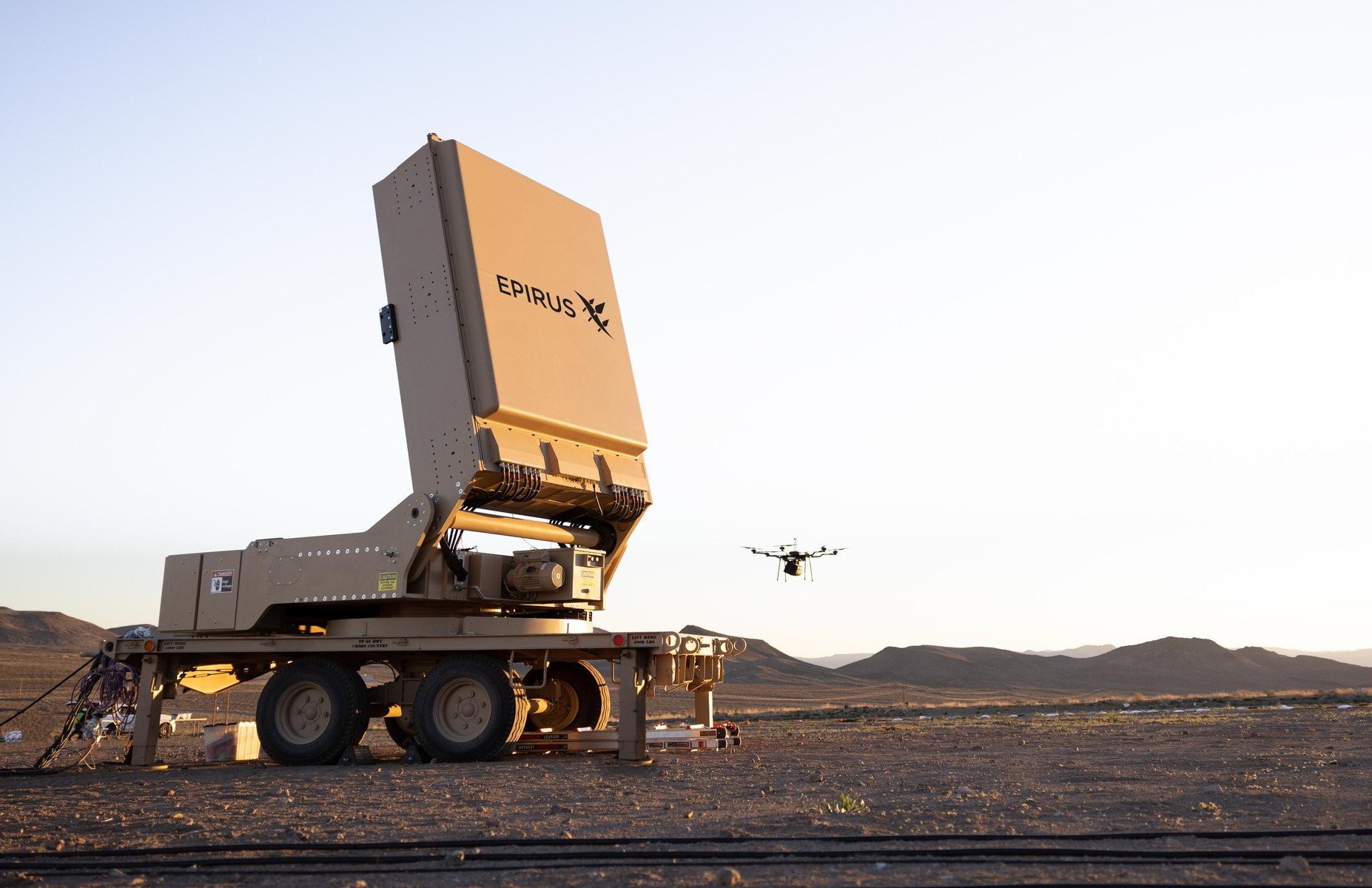
- Epirus’ Leonidas High-Powered Microwave (HPM) system
- Kord Technologies’ Firefly High-Energy Laser system
- Boeing’s Compact Laser Weapon system
In preparation for the broader pilot effort, JIATF 401 previously designated five U.S. military bases in May to support testing and operational assessments across diverse geographical and environmental conditions. These locations include Grand Forks Air Force Base, North Dakota; Whiteman Air Force Base, Missouri; Fort Huachuca, Arizona; Fort Bliss, Texas; and Naval Base Kitsap, Washington. The program also involves collaborative efforts with U.S. Northern Command (NORTHCOM) and the Federal Aviation Administration (FAA), underscoring the complex operational and airspace management considerations inherent in deploying such systems.
The selection of these systems for testing comes approximately seven months after an incident on the U.S. southwest border where the firing of a military counter-drone laser led the FAA to temporarily halt all flight traffic over El Paso, Texas. Following this event, the Pentagon and FAA swiftly conducted a “data-informed Safety Risk Assessment” of high-energy laser counter-drone technology. This assessment concluded that the technology, when properly managed, does “not pose undue risk to passenger aircraft,” providing critical reassurance for future deployments.
Among the selected systems, Epirus’ Leonidas stands out as the sole high-powered microwave system chosen for this initial shoot-off phase. The U.S. Army awarded a $43.5 million contract to Epirus in July 2025 (likely 2024 based on context), which included the delivery of two Integrated Fires Protection Capability High-Power Microwave (IFPC-HPM) Generation II systems. These systems are designed to neutralize drones through “weaponized electromagnetic interference,” effectively disrupting their electronics without kinetic impact.
AeroVironment’s Palletized High-Energy Laser system incorporates the firm’s LOCUST X3, a 30-kilowatt laser. This system was selected by the Army in September under a production contract valued at roughly $465 million, indicating significant investment and confidence in its capabilities.
Boeing’s Compact Laser Weapon is available in both 2-kilowatt and 5-kilowatt configurations. The 5-kilowatt version demonstrated its effectiveness by integrating with the Army’s Forward Area Air Defense Command and Control (FAAD C2) network. During the September 2024 Red Sands Integrated Experimentation Center exercise in Saudi Arabia, this system successfully engaged and defeated Group 3 drones, which can weigh up to 1,320 pounds, showcasing its potential against larger UAS threats.
Kord Technologies’ Firefly High-Energy Laser is a mobile, palletized system offering scalable power output from 5-kilowatts up to 30-kilowatts. According to Kord, a subsidiary of KBR, the Firefly system employs advanced artificial intelligence (AI) detection and tracking algorithms to “detect, track, intercept and defeat incoming drones at standoff ranges,” providing a sophisticated layer of defense.
JIATF 401 has indicated that it plans to continue evaluating additional directed energy technologies, with the potential for other systems to be selected for participation in future shoot-off events. This ongoing assessment reflects a commitment to exploring the broadest range of effective solutions.
Brig. Gen. Ross reiterated the advantages of directed energy, stating, “Directed energy gives commanders another option within a layered defense, complementing existing counter-UAS capabilities with a scalable, safe, and effective way to respond to drone threats.” He emphasized that the pilot program will provide “vital information in a real-world environment so we can employ these systems to protect the homeland.”
The U.S. Air Force, in particular, is actively seeking to enhance its counter-drone capabilities for base defense, a mission referred to as “point defense.” The service’s primary system for this purpose is the Small Unmanned Air Defense Systems (SUADS), which can identify and track various enemy drones and missiles, and neutralize incoming drones using an electronic warfare weapon. While officials have not publicly identified the specific electronic warfare system, SUADS is designed to interface with both commercial counter-drone systems and other air defense networks, allowing for flexible deployment based on operational requirements.
The exact financial investment by the Air Force in new counter-drone technology remains somewhat opaque. The fiscal year 2027 budget request included over $1.5 billion for SUADS, with the majority allocated to missile defense components. Additional counter-drone systems are reportedly being acquired with assistance from JIATF 401, but specific funding details for these initiatives have not been publicly disclosed by either Air Force or JIATF 401 officials.
Beyond current procurements, the Air Force Research Laboratory (AFRL) has also been at the forefront of experimenting with advanced C-UAS technologies. In 2023, AFRL successfully utilized its Tactical High-power Operational Responder (THOR) system to disable a drone swarm, demonstrating the potential of high-powered microwave systems against massed drone attacks.
Why This Matters
The Pentagon’s accelerated testing of directed energy weapons for counter-drone operations signifies a pivotal shift in modern military defense strategy. Unmanned Aerial Systems (UAS), commonly known as drones, have become a ubiquitous and increasingly sophisticated threat in contemporary conflicts, from state-sponsored reconnaissance and attack missions to the asymmetric tactics of non-state actors. The low cost, widespread availability, and operational versatility of drones present significant challenges for traditional air defense systems designed primarily for larger, faster aerial threats.
Directed energy weapons, such as lasers and high-powered microwaves, offer several distinct advantages over kinetic (projectile-based) systems. They provide a “magazine-depth” capability, meaning they can engage multiple targets rapidly as long as power is supplied, circumventing the logistical and cost constraints associated with traditional missile intercepts. Their speed of light engagement and precision can minimize collateral damage, making them ideal for protecting sensitive installations and personnel in congested environments. Furthermore, the operational cost per “shot” is significantly lower than that of conventional munitions, offering a more sustainable long-term defense solution.
This pilot program is crucial for U.S. national security, aiming to field reliable and effective defenses for critical military infrastructure, assets, and personnel both domestically and abroad. The collaboration between various military branches, NORTHCOM, and the FAA highlights the complex nature of integrating these advanced systems into existing airspace management and defense architectures. Successfully identifying and deploying these technologies could provide the U.S. with a significant strategic advantage against evolving aerial threats, ensuring the safety of its forces and the integrity of its defense posture. The attention to safety, as demonstrated by the post-El Paso incident assessment, also underscores the importance of public and aviation safety in the deployment of these powerful new capabilities.