
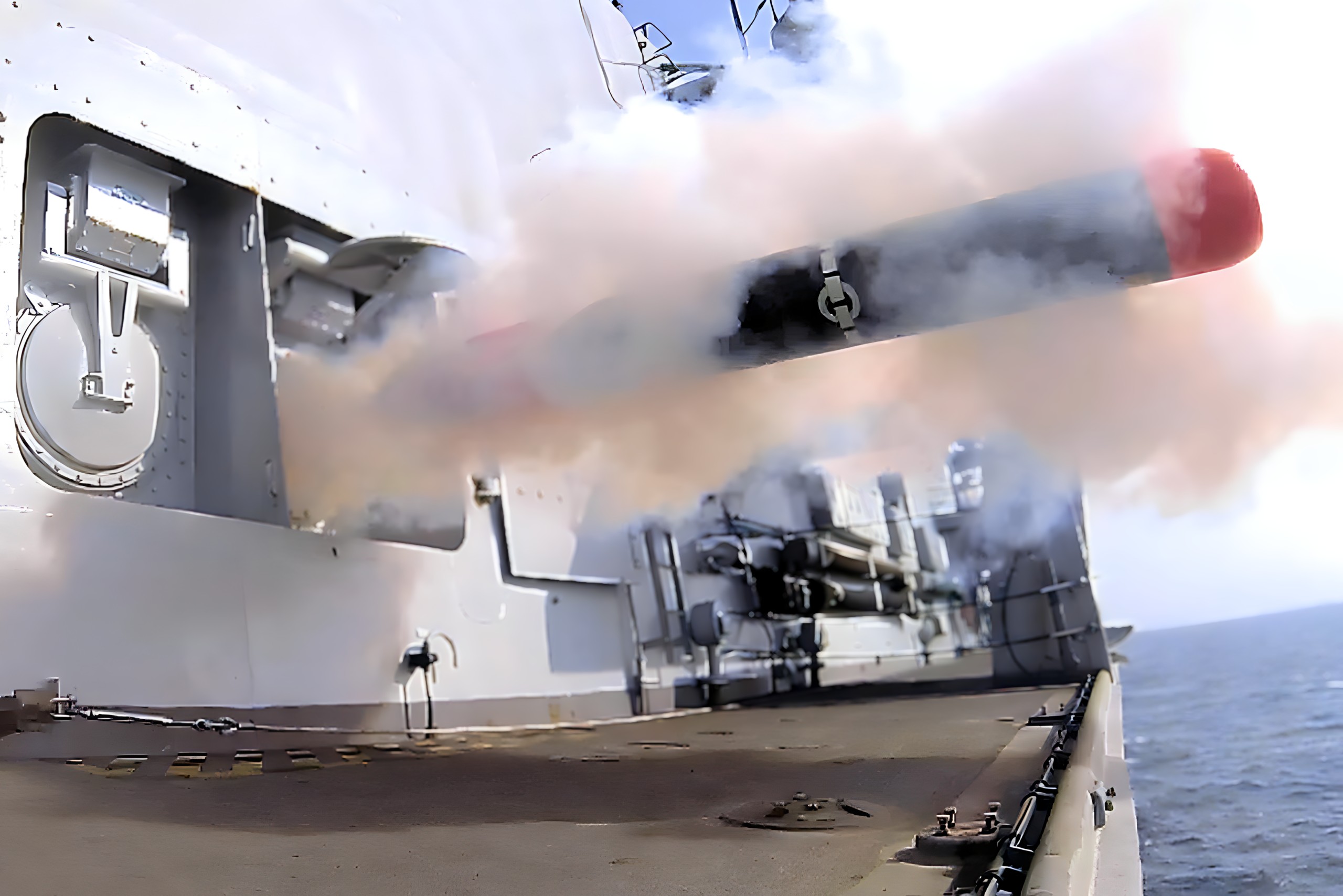
Royal Navy to Receive Modernised Torpedo Support through WHITEHEAD2 Programme from 2029
The Royal Navy is set to benefit from a new, modernised torpedo support solution, known as the WHITEHEAD2 Programme, commencing in 2029. This comprehensive initiative aims to ensure the long-term viability and effectiveness of the UK’s torpedo capabilities, encompassing a wide range of services from repair and maintenance to future capability development.
Details of the programme emerged from a parliamentary exchange, where Ben Obese-Jecty, the Conservative Member of Parliament for Huntingdon, sought clarification on the full scope of WHITEHEAD2. In response, Luke Pollard, the Minister for Defence Readiness and Industry, outlined the programme’s extensive remit.
Minister Pollard stated: “The WHITEHEAD2 Programme will sustain and enhance the Royal Navy’s in-service torpedo capability and associated support arrangements, including repair, maintenance, stockpile support, obsolescence management, and future capability development. It will deliver a modernised through-life torpedo support solution from 2029 onwards, helping maintain the availability, effectiveness, and resilience of UK torpedo capability to meet future operational requirements.”
This statement underscores the Ministry of Defence’s commitment to ensuring its undersea warfare assets remain at the forefront of naval technology and operational readiness. A ‘through-life’ support solution signifies a holistic approach to managing a defence asset from its introduction into service until its eventual retirement, covering all aspects of its operational lifecycle. This includes not only routine upkeep but also strategic planning for future upgrades and adapting to evolving threats.
While the Minister’s response provided a broad overview of the programme’s objectives, several key details remain undisclosed. Notably, no financial value has been attributed to the WHITEHEAD2 Programme, nor has any specific contractor been named for its execution. Furthermore, the parliamentary answer did not explicitly state which specific torpedo types would be covered by this new support framework.
However, the Royal Navy currently operates two primary in-service torpedoes. These are the heavyweight Spearfish, primarily deployed by its submarine fleet, and the lightweight Sting Ray, launched from surface ships, helicopters, and maritime patrol aircraft such as the P-8 Poseidon. The Spearfish is renowned for its speed, range, and advanced guidance systems, making it a formidable anti-submarine and anti-surface weapon. The Sting Ray, conversely, is designed for anti-submarine warfare in shallower waters and from airborne platforms, offering versatility across different operational environments.
Among the listed components of the WHITEHEAD2 Programme, ‘stockpile support’ and ‘obsolescence management’ stand out as particularly significant. The precise holdings of munitions, including torpedoes, are classified by the Ministry of Defence, a common practice among naval powers to maintain operational security and strategic ambiguity. However, a support arrangement extending from 2029 onwards inherently implies that critical decisions regarding the size, condition, and future requirements of these torpedo stocks will need to be made and implemented well in advance of the programme’s commencement. This forward planning is crucial for ensuring continuous availability and avoiding capability gaps.
Obsolescence management is another vital aspect, particularly for complex and technologically advanced weapon systems like torpedoes. It involves addressing the challenges posed by components that may no longer be manufactured or supported by original suppliers, as well as integrating new technologies to counter evolving threats. Without effective obsolescence management, even highly capable weapons can become unserviceable or less effective over time due to a lack of spare parts or an inability to incorporate necessary upgrades. The programme’s focus on “future capability development” further highlights the intent to not just maintain but also to evolve the UK’s torpedo technology, potentially integrating advancements in propulsion, guidance, and sensor technology.
The absence of a named contractor or an estimated programme value is likely to prompt further scrutiny from parliamentary committees and defence analysts. Large-scale defence procurement and support programmes typically involve significant public investment, and transparency regarding costs and industrial partners is often a point of public and political interest. The selection of a contractor will have implications for the UK’s defence industrial base, skills retention, and technological sovereignty, especially given the specialised nature of torpedo design, manufacture, and maintenance.
Why This Matters
The WHITEHEAD2 Programme is of significant importance for several reasons, touching upon national security, defence spending, and industrial strategy. Firstly, and most critically, it directly impacts the Royal Navy’s operational readiness and its ability to conduct effective anti-submarine warfare (ASW) and anti-surface warfare (ASuW). In an era of increasing global naval activity and the proliferation of advanced submarine capabilities, a robust and reliable torpedo arsenal is fundamental to protecting the UK’s maritime interests, safeguarding sea lanes, and contributing to NATO and allied collective defence operations. Any degradation in torpedo capability could have profound strategic implications.
Secondly, the programme highlights the continuous challenge of maintaining high-technology military hardware. Weapon systems like torpedoes have long operational lifespans, often spanning decades. During this time, components become obsolete, threats evolve, and new technologies emerge. The WHITEHEAD2 Programme’s focus on “through-life support,” including obsolescence management and future capability development, demonstrates a proactive approach to addressing these challenges, aiming to avoid costly emergency procurements or capability gaps that could arise from neglect.
Thirdly, while the details of cost and contractor are currently undisclosed, this programme represents a substantial future investment of taxpayer money. The lack of an estimated value at this stage means that the true scale of this commitment remains opaque, which can be a point of concern for parliamentary oversight and public accountability. Understanding the financial parameters and the chosen industrial partners will be crucial for assessing the programme’s value for money and its impact on the UK’s defence industrial base, potentially supporting highly skilled jobs and technological expertise within the country.
Finally, the timing of the programme, with its commencement in 2029 but requiring decisions well in advance, underscores the long-term planning inherent in national defence. It signals the Royal Navy’s strategic intent to maintain a credible undersea warfare capability for the foreseeable future, adapting to a dynamic geopolitical landscape where maritime power remains a key instrument of national influence and security.