
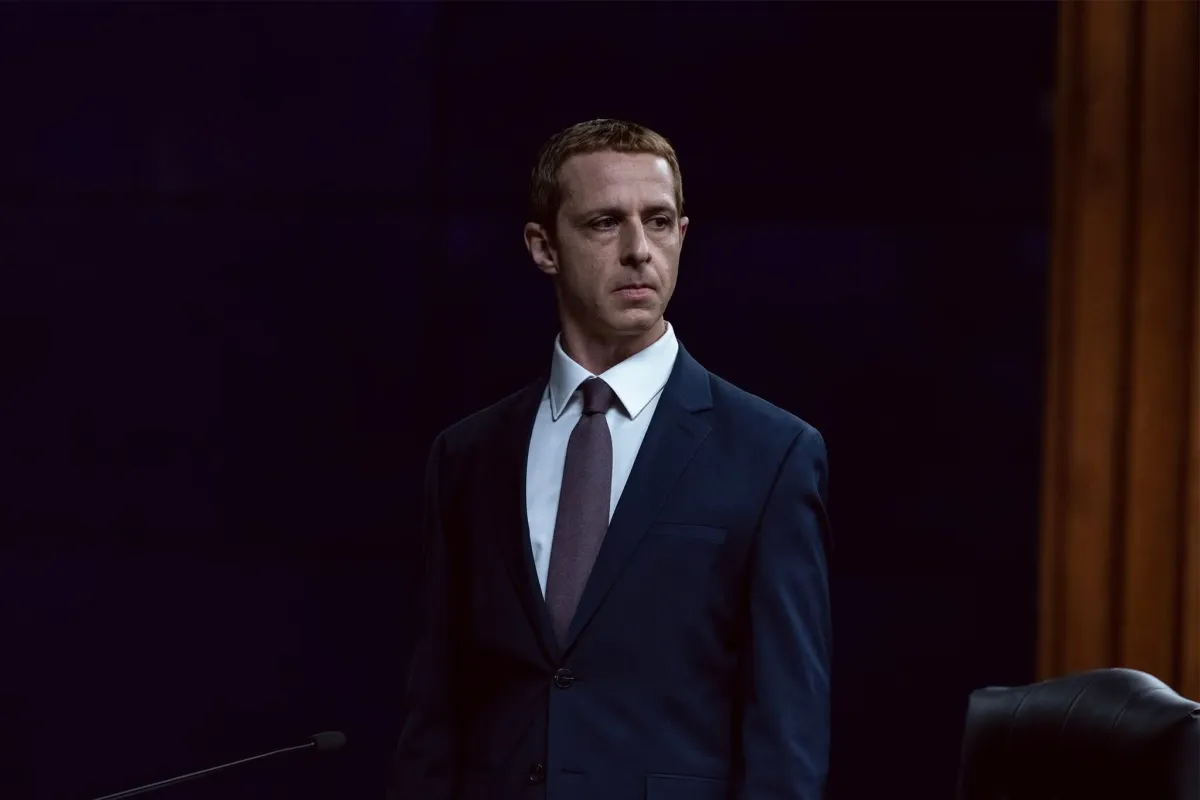
Key Takeaways:
- Aaron Sorkin’s “The Social Reckoning,” a sequel focusing on Facebook whistleblower Frances Haugen, significantly underperformed at the box office, signaling a potential shift in audience appetite for tech dramas.
- The film’s struggle highlights a changed theatrical landscape, a darker narrative compared to its predecessor, and potentially audience fatigue with Facebook-centric critiques amidst newer AI concerns.
- Despite the sequel’s stumble, a wave of new films and series about “villainous” tech CEOs (Musk, Holmes, SBF, OpenAI) is hitting screens, suggesting a broader cultural shift from celebrating tech disruptors to scrutinizing their ethical and societal impact, often finding their audience on streaming platforms.
The Social Reckoning: A Faltering Follow-Up in a Changed Tech Landscape
“The Social Reckoning,” Aaron Sorkin’s much-anticipated follow-up to the genre-defining “The Social Network,” has stumbled out of the gate, raking in a paltry $5.5 million at the domestic box office this weekend, according to Sunday estimates. This figure falls critically short of the already modest $7 million to $8 million the studio had projected, casting a long shadow over the film’s theatrical prospects and raising immediate questions about the enduring appeal of tech-centric dramas in today’s entertainment landscape.
The contrast with its predecessor couldn’t be starker. Released in 2010, the original “The Social Network” was a cultural phenomenon, pulling in a robust $22 million during its opening weekend and going on to gross $97 million domestically (and that’s at 2010 ticket prices, making its impact even more impressive today). It cemented Sorkin’s status as a master of sharp dialogue, earned him an Oscar for Best Adapted Screenplay, and became one of the most influential on-screen depictions of Silicon Valley’s nascent, ambitious, and often ruthless startup culture. Its impact was profound, shaping public perception of Facebook and its enigmatic founder, Mark Zuckerberg, for a generation.
Why This Reckoning Isn’t Resonating with Audiences
Several factors appear to be contributing to “The Social Reckoning”’s lackluster performance. The theatrical landscape itself has undergone a seismic shift in the past 16 years. Streaming platforms have fundamentally altered viewing habits, reserving cinema trips for event films, blockbuster spectacles, or highly acclaimed independent features. A dialogue-heavy drama, even one from an acclaimed writer, faces an increasingly uphill battle in this transformed environment.
Beyond the changing market dynamics, the film’s narrative focus represents a significant departure. Where “The Social Network” captured the thrilling, chaotic energy of Facebook’s explosive early days – a story of innovation, ambition, and betrayal – the sequel delves into a far darker and heavier subject: whistleblower Frances Haugen’s courageous decision to leak the internal documents that became known as the Facebook Files. This shift from entrepreneurial excitement to corporate accountability, from the birth of a titan to the reckoning of its misdeeds, inherently presents a different cinematic challenge. A movie centered on Senate hearings, internal documents, and algorithm changes, while critically important, may simply lack the visceral, dramatic punch that drew audiences to the original’s tale of college-age ambition and backstabbing.
The new movie’s reviews also aren’t doing it any favors. While I personally found “The Social Reckoning” enjoyable, I must admit it felt overloaded with Sorkin’s trademark speechifying. I couldn’t help but dream about a version directed – like the original – by David Fincher, with a score by Trent Reznor and Atticus Ross. That distinctive stylistic flair was a crucial component of the first film’s success, making even dense conversations feel electric. Without it, the weight of the subject matter felt heavier, and perhaps less engaging for a broad audience.
There’s also the question of audience priorities. While Facebook’s controversies remain relevant, public concern has perhaps shifted. Audiences who are more likely to be losing sleep over the rapid advancements, ethical quandaries, and potential existential threats of AI might find critiques of a social media giant from over a decade ago feel less urgent or novel. The film might find a more receptive audience among older moviegoers, who have returned to theaters more sporadically and selectively since the pandemic, but even then, the pull hasn’t been strong enough to compensate for broader disinterest.
The Rise of the Tech Villain Cinematic Universe
Yet, “The Social Reckoning”’s struggle doesn’t mean audiences are entirely fed up with tech narratives. Rather, it might suggest a discerning palate, and a definite appetite for a different kind of story. This fall season alone is brimming with films and series spotlighting real-world tech figures often cast in a critical or even villainous light, indicating a broader cultural pivot from venerating disruptors to scrutinizing their impact.
Case in point: Alex Gibney’s ambitious, four-hour documentary “Musk,” also opened this weekend. While its initial theatrical run saw a modest $69,000 in just four theaters, its true reach is undoubtedly anticipated on HBO Max, where its length and depth will find a more suitable home. Then there’s Nathan Fielder’s apparently uncategorizable Elizabeth Holmes documentary, “You Can See Everything,” arriving next weekend, promising another deep dive into the infamous Theranos scandal. The OpenAI boardroom drama, “Artificial,” after a distribution hiccup with Amazon, has found a new home, indicating continued industry interest in the high-stakes world of AI governance and corporate power plays.
Outside the silver screen, Netflix is set to release “The Altruists” in November, a limited series chronicling the spectacular rise and spectacular fall of Sam Bankman-Fried and the FTX crypto empire. These projects collectively paint a picture of a media landscape obsessed with the ethical complexities, personal flaws, and catastrophic consequences that can emerge from the intersection of technology, unchecked ambition, and vast wealth.
From Celebration to Scrutiny: A Cultural Shift
This glut of “tech villain” stories marks a significant shift from the early 2010s, when figures like Zuckerberg and even Elon Musk were still largely seen as visionary innovators. Public perception has evolved, fueled by privacy scandals, misinformation crises, anti-trust concerns, and the growing awareness of tech’s pervasive and often problematic influence on society. Audiences are no longer just curious about how these companies were built; they’re demanding answers about how they’ve impacted the world, for better or for worse.
The struggle of “The Social Reckoning” and the simultaneous release of these other, often more damning, narratives suggest that the market for uncritical celebrations of tech founders has evaporated. Instead, there’s a hunger for investigative, critical, and often unflinching portrayals of the dark side of innovation. While theatrical releases for such niche or lengthy dramas prove challenging, streaming platforms are becoming the ideal medium for these complex, multi-layered stories to reach their intended audiences, allowing for deeper engagement and a more diverse range of storytelling formats.
The financial success of these future projects will likely be measured less by opening weekend box office numbers and more by streaming viewership, critical reception, and their ability to spark cultural conversations. The landscape for tech storytelling is not shrinking; it’s transforming, adapting to new platforms and a more jaded, yet still fascinated, audience.
Bottom Line
“The Social Reckoning”’s muted box office debut is more than just a single film’s misfortune; it’s a symptom of a profound shift in how audiences engage with tech narratives. While the era of celebrating audacious founders seems to have given way to one of critical examination and accountability, the appetite for these stories remains strong—provided they are delivered in the right format and tackle the most pressing contemporary concerns. Hollywood and the streaming giants are keenly aware of this shift, as evidenced by the coming wave of deep dives into tech’s most controversial figures and events. The new frontier of tech storytelling is less about hero worship and more about a sober, often damning, look in the mirror, reflecting the public’s growing demand for transparency and understanding in an increasingly tech-driven world.
When you purchase through links in our articles, we may earn a small commission. This doesn’t affect our editorial independence.
{content}
Source:{feed_title}