
NATO’s annual nuclear deterrence exercise, codenamed “Steadfast Noon,” commenced on Tuesday, with Italy serving as the host nation for this year’s iteration. Seventeen allied nations are participating in the comprehensive training activity, which is designed to ensure the readiness and effectiveness of the alliance’s nuclear deterrent capabilities.
Described by NATO as a long-planned and routine training event, Steadfast Noon is an integral component of the alliance’s ongoing efforts to maintain a credible and robust defense posture. The exercise focuses on testing the intricate procedures, command and control systems, and operational readiness essential for nuclear deterrence. Alliance officials emphasize that the overall scale of this year’s exercise aligns with previous iterations, and crucially, no live weapons are employed at any stage of the training.
NATO Secretary General Mark Rutte underscored the alliance’s defensive nature in a statement: “NATO is a defensive Alliance. This exercise helps us ensure a safe, secure, effective, and credible capability to preserve peace, prevent coercion and deter aggression. It also sends a clear message of unity and resolve.” The alliance has further clarified that Steadfast Noon is not linked to current global events and is not directed against any specific country, reinforcing its character as a standard, recurring exercise.
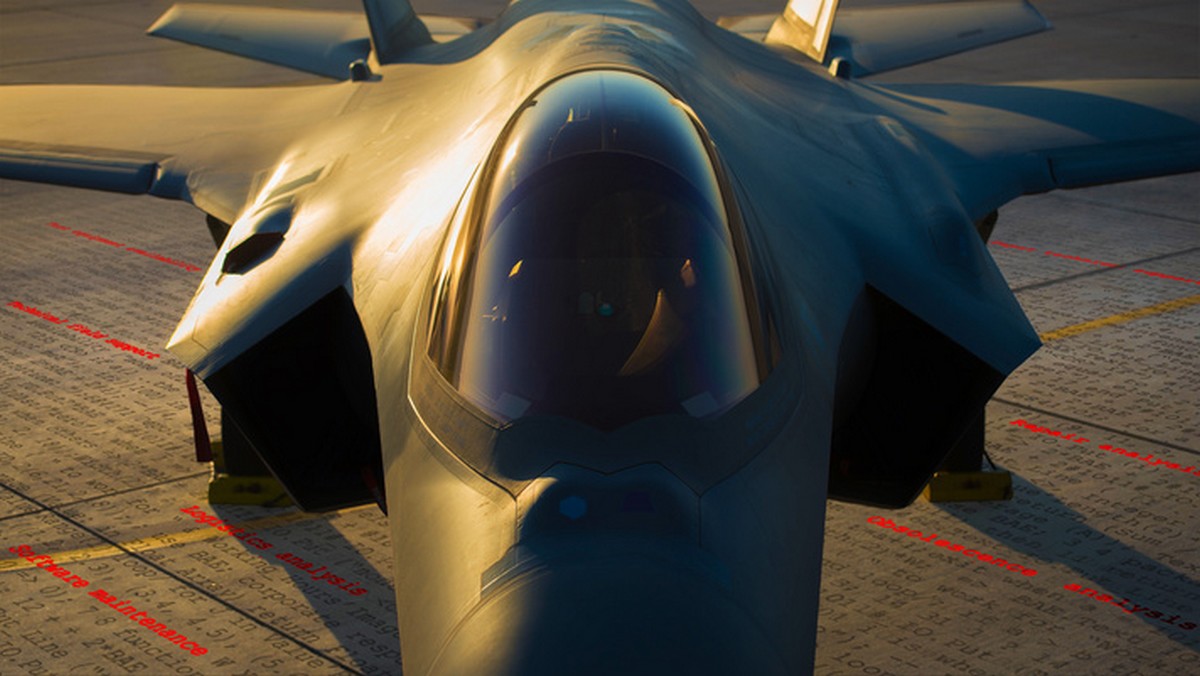
Flight operations associated with the exercise are anticipated to span approximately ten days. Key operational hubs include Aviano Air Base in Italy’s Pordenone province and Ghedi Air Base in Brescia province, along with other designated locations across NATO’s area of responsibility, according to reports from Italian financial newspaper Il Sole 24 Ore. Aviano Air Base is a significant facility, hosting units of the United States Air Force, while Ghedi Air Base is an Italian Air Force installation that operates the advanced F-35A Lightning II fighter jets. These bases are strategically important due to their infrastructure and their capacity to host dual-capable aircraft (DCA), which are central to NATO’s nuclear sharing arrangements.
This year’s participation of seventeen nations marks an increase from previous years, with fourteen nations taking part last year and thirteen the year before. The consistent participation reflects the broad commitment of NATO members to the alliance’s collective security framework. Notably, France does not participate in Steadfast Noon, a long-standing policy stemming from its decision never to join NATO’s Nuclear Planning Group (NPG). The NPG is the senior body responsible for nuclear policy within NATO. The United States, a primary nuclear power within the alliance, contributes significant resources to the exercise, including flight crews and maintenance personnel, underlining its commitment to transatlantic security.
The 2023 edition of Steadfast Noon was led by the Netherlands, with operations based out of Volkel Air Base, supported by Kleine Brogel Air Base in Belgium and RAF Lakenheath in Suffolk, United Kingdom. That exercise involved approximately seventy aircraft from fourteen allied nations, comprising a mix of conventional and dual-capable aircraft types. Italy has a history of hosting this crucial exercise, having done so six times previously in recent decades: in 2010, 2013, 2014, 2018, 2021, and 2023. The Italian Air Force has independently reiterated that the exercise will not involve the use of live ammunition, consistent with NATO’s overarching guidelines for Steadfast Noon.
Steadfast Noon is a cornerstone of NATO’s nuclear deterrence strategy, which relies on a combination of nuclear and conventional capabilities to prevent aggression. The exercise specifically practices the procedures for the potential deployment of gravity bombs carried by dual-capable aircraft. While the nuclear warheads themselves remain under strict U.S. custody, the exercise ensures that allied air forces are proficient in handling the logistical and operational complexities involved in a nuclear mission, should it ever become necessary. This includes simulating the loading of dummy munitions, coordinating complex flight formations, and maintaining secure communication channels, all under realistic operational conditions. The continuous training reinforces the technical and procedural expertise required to maintain a credible deterrent, ensuring that all aspects of the nuclear sharing arrangements are regularly validated and updated.
Why This Matters
The annual Steadfast Noon exercise is more than just a routine military drill; it is a critical demonstration and maintenance of NATO’s strategic nuclear deterrence posture, which underpins the collective security of its member states. Its importance can be understood through several key dimensions:
- Credibility of Deterrence:Nuclear deterrence relies fundamentally on the perception of capability and political will. By regularly exercising its nuclear capabilities, even without live weapons, NATO reinforces the credibility of its “minimum deterrence” strategy. This sends a clear signal that the alliance possesses the means and the resolve to respond to aggression, thereby discouraging potential adversaries from contemplating attacks against NATO territory or interests. Without such exercises, the operational readiness and inter-allied coordination necessary for a credible nuclear response could degrade over time, weakening the deterrent effect.
- Alliance Cohesion and Interoperability:Steadfast Noon serves as a vital platform for strengthening interoperability among allied air forces and other supporting units. The participation of seventeen nations, an increasing number, highlights the shared commitment of NATO members to their collective defense and demonstrates their ability to operate seamlessly under complex, high-stakes scenarios. This joint training fosters mutual understanding, standardized procedures, and trust among diverse national forces, which are crucial for effective crisis response. It underscores the principle of “one for all and all for one” within the alliance.
- Adaptation to Evolving Security Environments:While NATO states the exercise is not linked to current events, the geopolitical landscape in which it occurs is undeniable. The global security environment is dynamic, characterized by heightened tensions and evolving threats. Regular exercises ensure that NATO’s deterrence capabilities remain relevant and adaptable to contemporary challenges. They allow the alliance to test and refine its procedures against hypothetical scenarios, guaranteeing that its response mechanisms are robust and effective regardless of the specific nature of a future crisis.
- Strategic Communication:The public announcement and detailed reporting of Steadfast Noon itself serve as a form of strategic communication. It is a visible reminder to both allies and potential adversaries of NATO’s commitment to its Article 5 collective defense clause and its readiness to utilize all necessary means to protect its members. This transparency, coupled with the clear statement that no live weapons are used and that the exercise is purely defensive, aims to manage perceptions and prevent miscalculation while simultaneously projecting strength.
- Reinforcing Nuclear Sharing:The exercise is integral to NATO’s unique nuclear sharing arrangements, where non-nuclear member states provide dual-capable aircraft and pilots to deliver U.S. nuclear weapons in a conflict, if authorized. This arrangement is a cornerstone of transatlantic burden-sharing and ensures that the risks and responsibilities of nuclear deterrence are broadly distributed across the alliance, fostering a stronger sense of collective security and shared destiny. Steadfast Noon keeps these complex arrangements operationally viable and ensures the readiness of the personnel involved.
In essence, Steadfast Noon is a multifaceted exercise that both practically maintains and symbolically reinforces NATO’s foundational commitment to deterring aggression and ensuring the security of its members in a complex and often unpredictable world.