
Check out what’s clicking on FoxBusiness.com.
Key Takeaways
- Over 112,000 bottles of Amazon-branded Extra Strength Acetaminophen 500 mg caplets are being recalled due to consumer complaints of discolored pills, highlighting persistent quality control challenges within private label pharmaceuticals.
- The incident underscores the inherent risks and complexities associated with global pharmaceutical supply chains, particularly for products manufactured abroad and distributed by e-commerce giants venturing into healthcare.
- This recall could prompt increased scrutiny on Amazon’s rapidly expanding “Basic Care” private label strategy and potentially impact consumer trust in its own-brand healthcare products, a crucial segment for future growth.
A significant quality control issue has emerged in the rapidly expanding private label healthcare market, as over 112,000 bottles of Amazon-branded Extra Strength Acetaminophen are being recalled. The voluntary recall, initiated by New Jersey-based Aurobindo Pharma USA, affects Amazon Basic Care Extra Strength Acetaminophen 500 mg caplets following multiple consumer reports of discolored pills. This development casts a spotlight on the intricate supply chain dynamics and quality assurance protocols governing the production and distribution of over-the-counter (OTC) medications, especially those under a major e-commerce retailer’s private brand.
The recall, which commenced on September 18 and remains ongoing according to the Food and Drug Administration (FDA), encompasses three distinct bottle sizes: 14,640 bottles of 200 caplets, 90,456 bottles of 500 caplets, and 7,836 bottles of 1,000 caplets. The sheer volume – totaling 112,932 bottles – is notable, though the FDA has not yet identified the specific cause of the discoloration nor described any associated health risks or injuries. Amazon confirmed its cooperation with both Aurohealth (a subsidiary of Aurobindo Pharma) and federal regulators, emphasizing the voluntary nature of the recall.
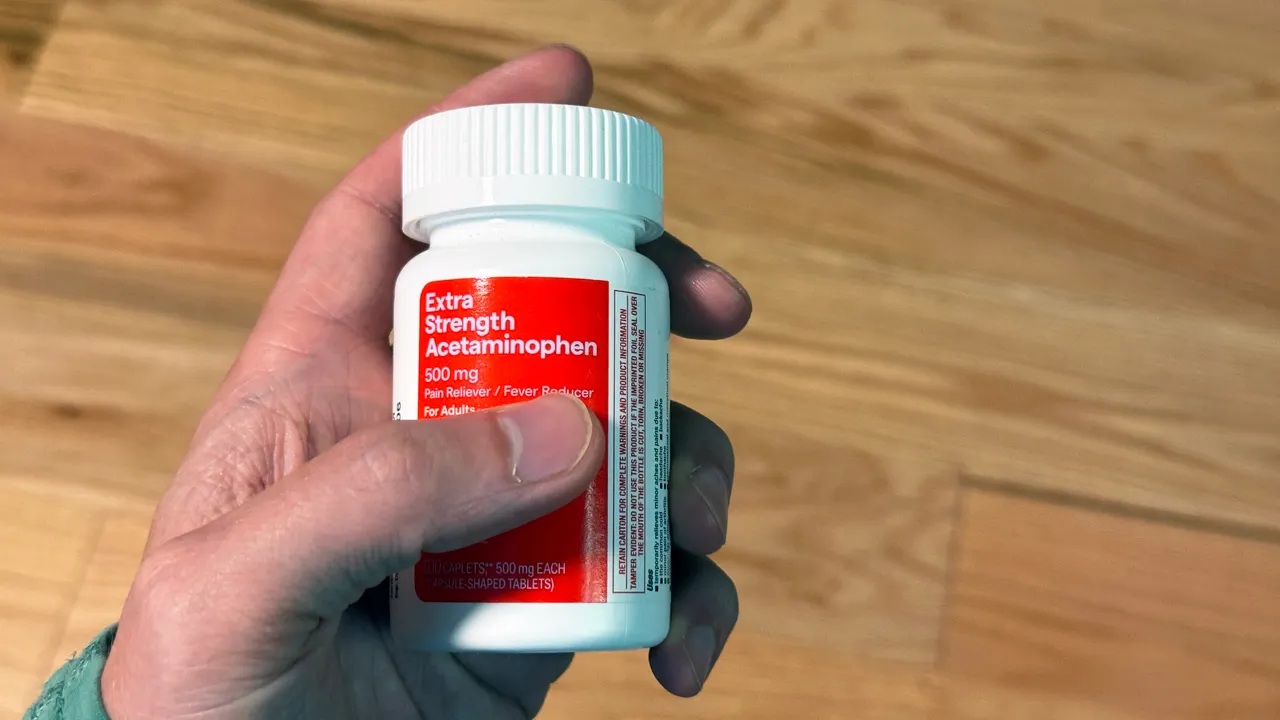
More than 112,000 bottles of Amazon-branded Extra Strength Acetaminophen 500 mg caplets are being recalled following consumer complaints about discolored tablets, according to the FDA.(Douglas Rissing/Getty Images / Getty Images)
The affected lot numbers are ACD125040A for 200-count bottles; ACD124036A, ACD124030A, ACD124042A, ACD124048B, and ACD125010A for 500-count bottles; and ACD124048A for 1,000-count bottles. These products, manufactured in India, were distributed by Amazon.com Services LLC, underscoring the global nature of pharmaceutical sourcing and its inherent complexities.
Amazon’s Private Label Ambition Meets Supply Chain Reality
Amazon’s foray into private label products, particularly in healthcare with its “Basic Care” line, is a strategic move aimed at capturing higher margins, fostering brand loyalty, and competing directly with established brands and traditional pharmacies. The “Basic Care” brand offers a range of OTC medications, often at competitive prices, leveraging Amazon’s vast distribution network and direct consumer access. However, this strategy inherently transfers greater responsibility for product quality and regulatory compliance from a third-party manufacturer to Amazon itself, at least in the eyes of the consumer.
This recall highlights the significant challenges that come with this ambition. While the financial impact of recalling over 112,000 bottles of a relatively low-cost item might be negligible for a company of Amazon’s scale, the reputational damage and potential erosion of consumer trust in a highly sensitive category like healthcare cannot be understated. For OTC medications, consumer confidence in safety and efficacy is paramount, and even minor quality issues can have disproportionate effects on brand perception.
Global Sourcing and Quality Oversight
The fact that the acetaminophen was manufactured in India points to a broader industry trend of global pharmaceutical sourcing, driven by cost efficiencies. While India is a major hub for generic drug manufacturing, boasting numerous FDA-approved facilities, it has also faced scrutiny regarding manufacturing practices and quality control over the years. This isn’t an isolated incident; the recall follows another recent voluntary recall initiated by India-based Inventia Healthcare Ltd. involving chlorthalidone tablets that failed to meet dissolution specifications, further illustrating the ongoing challenges in maintaining consistent quality across global pharmaceutical supply chains.
The Food and Drug Administration listed an ongoing voluntary recall of Amazon-branded acetaminophen involving more than 112,000 bottles.(Sarah Silbiger/Getty Images / Getty Images)
For companies like Amazon, which act as distributors and brand owners, robust vendor qualification, auditing, and continuous monitoring programs are critical. Ensuring that contract manufacturers adhere to Good Manufacturing Practices (GMP) and strict quality control standards is an expensive and complex undertaking, especially when dealing with international partners across different regulatory landscapes. A discolored pill, while potentially benign, raises questions about raw material quality, manufacturing processes, storage conditions, or packaging integrity – all critical factors in pharmaceutical quality.
Regulatory Landscape and Consumer Confidence
The FDA’s role in listing this as an ongoing recall signifies its commitment to public health and safety, even for voluntary actions. While no specific health risks have been identified, the agency’s monitoring ensures that consumers are informed and that manufacturers and distributors take appropriate corrective actions. This incident could lead to increased scrutiny from regulatory bodies on private label drug products, prompting a review of the oversight mechanisms in place for e-commerce platforms venturing into pharmaceutical sales.
For consumers, the recall serves as a reminder to exercise vigilance even with trusted brands or platforms. The incident could subtly shift purchasing habits, with some consumers opting for established pharmaceutical brands over private label alternatives, particularly for sensitive health products, if concerns about consistent quality persist. This dynamic is crucial for Amazon, as building trust in healthcare products is a much steeper climb than for general merchandise.

Amazon-branded acetaminophen distributed by Amazon.com Services LLC is subject to a voluntary recall affecting 112,932 bottles across three package sizes.(Photographer: Bridget Bennett/Bloomberg via Getty Images / Getty Images)
This recall, alongside a previous one involving Amazon-sold baby bath seats due to a drowning hazard, collectively underscores a broader challenge for the e-commerce giant: maintaining rigorous quality and safety standards across its vast and diverse product catalog, especially as it expands into critical categories like healthcare. The long-term implications will depend on Amazon’s response, its ability to reinforce quality control measures, and its ongoing engagement with both manufacturers and regulators.
FOX Business has reached out to Aurohealth for comment.
Market Impact
This recall, while not immediately threatening Amazon’s colossal market capitalization, carries significant strategic implications. For investors, it highlights the potential vulnerabilities within Amazon’s aggressive private label strategy, particularly in the high-stakes healthcare sector where quality issues can severely erode consumer trust and invite regulatory scrutiny. The “Basic Care” brand is a key component of Amazon’s push into healthcare, aiming for margin expansion and deeper customer integration. Recurring quality control challenges, especially with internationally sourced products, could slow the adoption of these private labels, leading to higher compliance costs, increased auditing expenses, and potentially impacting future revenue growth in this segment. Furthermore, it could prompt a more cautious approach from investors regarding the profitability and scalability of Amazon’s broader private label ambitions, especially if similar issues surface in other critical product categories. Competitors in both e-commerce and traditional retail with their own private label strategies will be closely watching, potentially seeking to capitalize on any perceived trust gap. For Aurobindo Pharma, such recalls can dent its reputation as a reliable contract manufacturer, potentially affecting future business relationships within the competitive pharmaceutical outsourcing market.