
Norway’s Defence Chief Highlights Openness on Threats, Cites Ukraine Support as Europe’s Best Deterrence
Oslo, Norway — General Eirik Kristoffersen, Norway’s Chief of Defence, has underscored the imperative for open dialogue regarding national security threats, asserting that withholding information from the public poses a greater risk than potentially alarming them. Speaking at the Atlantic Future Forum in Oslo, General Kristoffersen also strongly advocated for continued international backing of Ukraine, describing it as Europe’s most effective form of deterrence against aggression.
During a session held aboard HMS Prince of Wales, General Kristoffersen was questioned about public confidence in Norway’s “total defence concept,” a comprehensive strategy involving the entire society in national security efforts. He noted that recent surveys indicate robust public support for this concept, as well as for increased military spending and the ongoing provision of aid to Ukraine. However, he cautioned against complacency, stating that such trust should never be taken for granted.
General Kristoffersen articulated his conviction that the public possesses a keen understanding of geopolitical realities. “I don’t think that we should underestimate the population at all. They understand,” he remarked. “I think it’s a bigger danger not to talk about the real threats we are facing.” He directly linked these perceived threats to Norway’s substantial defence allocation, which currently stands at 3.5 percent of its Gross Domestic Product (GDP). This figure significantly surpasses the two percent target set for NATO member states, reflecting a heightened sense of urgency in Norway’s security posture.
Drawing a historical parallel, Kristoffersen highlighted the lessons learned from past conflicts. He noted that military planners typically assess both the “most dangerous” and “most likely” courses of action when formulating defence strategies. In a sobering reflection on pre-World War II preparations, he added, “Before World War II, Norway decided to rely on the third, which is hope.” This statement served as a stark reminder of the potential consequences of inadequate preparedness and the necessity of proactive defence planning.
The Chief of Defence elaborated on Norway’s multi-faceted approach to deterrence, which he described as an ongoing, daily endeavour. This strategy, he explained, is founded upon three interdependent pillars: Norway’s inherent military strength, the collective security guarantees provided by its NATO allies, and the comprehensive “whole-of-society” total defence concept. He further elucidated that this total defence concept extends deterrence into the “cognitive domain.” In this context, deterrence aims to convince a potential adversary that a nation united across all sectors — civilian and military — is resilient and cohesive, thus making any attempt at exploitation or aggression less appealing and more costly.
Kristoffersen also identified critical civilian requirements essential for effectively receiving allied reinforcements in times of crisis. These include the establishment of shared situational awareness across government and military agencies, a clear and unambiguous articulation of the military’s needs from civilian society, and intensified collaboration with industry partners to ensure sustained logistical support and resupply capabilities. These elements are crucial for seamless integration of international aid and collective defence operations.
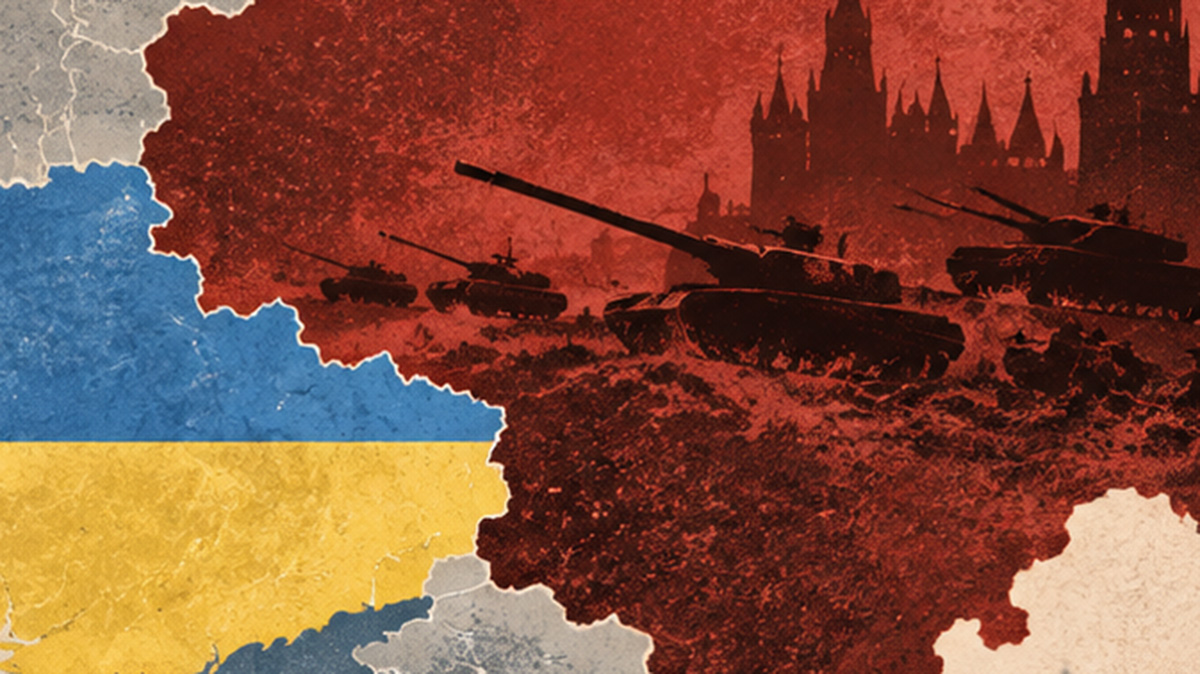
Responding to an audience question, General Kristoffersen delivered a unequivocal message regarding the conflict in Eastern Europe. “The best deterrence we can do right now in Europe is to support Ukraine,” he declared. He framed the ongoing conflict as more than a territorial dispute, emphasizing its deeper implications. “So this is a war not only about territory in Ukraine. This is a war about values.” This perspective positions the conflict as a struggle for fundamental democratic principles and international norms, rather than merely a localized geopolitical confrontation.
General Kristoffersen also touched upon the importance of societal cohesion and resilience in the face of modern threats, particularly those involving hybrid warfare tactics such as cyberattacks. He stressed that when such incidents occur, societies must direct blame towards the perpetrators rather than allowing internal divisions to emerge. He cited a specific example involving a cyberattack that caused freezers to heat to 50 degrees Celsius, illustrating the insidious nature of threats designed to sow discord and disruption within a nation’s infrastructure and public trust.
In a demonstration of individual preparedness, Kristoffersen recounted a personal anecdote from a podcast. He asked his audience whether they believed they could survive for a week using only the supplies they had at home. Despite official advice often recommending specific emergency provisions, he noted that every hand went up, indicating a widespread belief in personal resilience. He concluded that this demonstrated people often possess a greater capacity for self-reliance than they may initially realize, reinforcing the idea of a resilient populace as a core component of total defence.
Norway is actively bolstering its defence readiness, having designated 2026 as its “Total Defence Year.” This initiative is expected to involve widespread public engagement and exercises to reinforce the whole-of-society approach to national security. Furthermore, in December of the previous year, Britain and Norway solidified their bilateral defence cooperation by signing the Lunna House agreement. This accord is anticipated to deepen collaboration on maritime security, subsea infrastructure protection, and other strategic defence priorities in the North Atlantic region, reflecting a shared commitment to regional stability and collective security.
Why This Matters
General Kristoffersen’s remarks are significant for several reasons, offering critical insights into Norway’s security posture and broader European defence strategies. Firstly, his emphasis on transparent communication about national security threats underscores a growing recognition among Western leaders that public understanding and support are paramount for effective deterrence and defence. In an era of hybrid warfare, disinformation, and rapidly evolving geopolitical landscapes, an informed populace is seen not as a liability to be shielded from uncomfortable truths, but as an active component of national resilience. This approach counters the traditional inclination to manage public perception cautiously, advocating instead for a frank dialogue about potential dangers, including those emanating from Russia and other state and non-state actors.
Secondly, Norway’s commitment of 3.5 percent of its GDP to defence highlights a trend among some NATO members to significantly exceed the alliance’s two percent target. This substantial investment reflects a profound shift in perceived threat levels, particularly in countries bordering or in close proximity to Russia. For Norway, with its extensive coastline and strategic location in the High North, safeguarding maritime interests, energy infrastructure, and Arctic sovereignty is increasingly vital. This level of spending not only enhances Norway’s own capabilities but also strengthens NATO’s collective defence, particularly in key strategic areas.
Thirdly, Kristoffersen’s assertion that supporting Ukraine constitutes Europe’s “best deterrence” is a powerful statement about the interconnectedness of European security. It frames the conflict in Ukraine not as a distant struggle, but as a direct front in the defence of shared democratic values and the international rules-based order. By supporting Ukraine, European nations are not merely offering humanitarian aid or military assistance; they are actively investing in their own long-term security, deterring further aggression, and upholding the principle that sovereign nations have the right to self-determination free from external coercion. This perspective suggests that a failure to decisively support Ukraine would embolden potential aggressors and erode the very foundations of international law and stability.
Finally, the focus on Norway’s “total defence concept” and societal resilience is crucial in an era where threats extend beyond conventional military engagements. Modern warfare often targets critical infrastructure, cyberspace, and even public trust. By integrating civilian society into defence planning, fostering shared situational awareness, and building robust industrial collaboration for sustainment, Norway is developing a comprehensive approach to withstand and recover from a broad spectrum of attacks. The anecdotes about individual preparedness and the dangers of internal blame underscore the importance of social cohesion and psychological resilience as vital components of national security. The Lunna House agreement with the UK further illustrates a pragmatic recognition that collective defence in a complex security environment requires deepened bilateral and multilateral cooperation, particularly in areas like maritime and subsea infrastructure protection which are increasingly vulnerable. These insights from Norway’s Defence Chief offer a valuable blueprint for other nations grappling with similar security challenges in an increasingly unpredictable world.