
Key Takeaways:
- Critical Infrastructure’s Silent Crisis:Many foundational U.S. systems, from HVAC to transportation, are riddled with “unpatchable” software vulnerabilities, posing immense risks in an era of advanced cyber threats.
- AI Amplifies the Danger:Artificial intelligence is dramatically accelerating both the discovery of these vulnerabilities and the sophistication of cyberattacks, creating a dangerous imbalance where defense struggles to keep pace.
- The Paradox of Rapid Patching:While faster patching is necessary to counter AI-aided exploits, it ironically introduces instability into complex systems, highlighting a fundamental challenge in modern cybersecurity.
America’s Digital Underbelly: A Ticking Time Bomb of Unpatchable Software
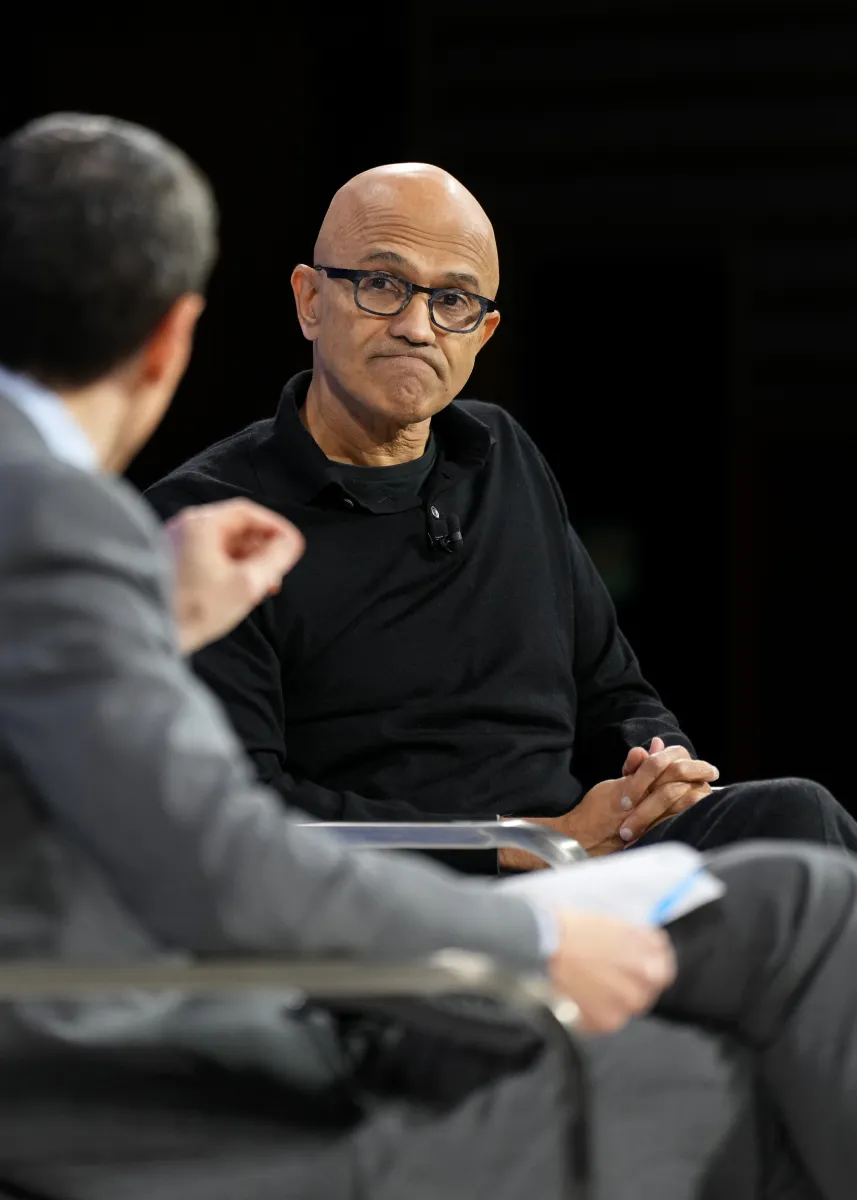
In an increasingly interconnected world, where everything from our refrigerators to our national power grids is “smart,” the convenience of connectivity has ushered in a hidden peril. This stark reality was brought into sharp focus by Microsoft CEO Satya Nadella at The New York Times’ DealBook Summit on Wednesday, where he issued a sobering warning about the inherent, often unfixable, vulnerabilities embedded deep within America’s critical software infrastructure. These aren’t just minor bugs; they are fundamental flaws in systems governing everyday hardware and vast transportation networks, now ripe for exploitation by AI-powered cyberattacks.
“Remember, there is a lot of stuff in our critical infrastructure that’s unpatchable,” Nadella emphasized. He painted a vivid picture of the pervasive issue, citing examples like “all the firmware and the chillers [a cooling device often used in data centers] and the HVAC systems everywhere else. So all of that, by the way, they’re on the internet.” This isn’t just about corporate data centers; it extends to the very fabric of our public utilities and urban environments.
The “smartification” of the global economy, a drive to connect billions of previously “dumb” devices to the internet for efficiency and control, is now yielding tremendous headaches. This ambitious digital transformation, while offering undeniable benefits, has left behind a sprawling legacy of insecure endpoints. Many of these systems, designed decades ago without modern security considerations, lack the architecture to receive regular updates or patches. They are embedded, often proprietary, and prohibitively expensive or complex to replace.
The AI-Powered Cyber Escalation
Nadella’s comments arrive against a backdrop of increasing cyber activity and large-scale outages. Recent incidents, including one affecting Microsoft Outlook, along with others impacting federal agencies like the NSA and FAA, and tech giants like Apple, have fueled public concern. While officials often attribute these to “latent bugs” or “perfect storms,” as Nadella described the Outlook situation, the specter of AI-aided cyberattacks looms large.
Artificial intelligence is not merely a tool for defense; it’s a formidable weapon for adversaries. AI can dramatically accelerate the process of vulnerability discovery, allowing malicious actors to scan vast networks, identify weaknesses, and even craft sophisticated exploits with unprecedented speed and precision. What once took human experts weeks or months, AI can now achieve in hours or minutes. This includes everything from generating highly convincing phishing campaigns to reverse-engineering proprietary systems for zero-day exploits.
“We now have a very powerful tool that finds vulnerabilities,” Nadella noted, underscoring the dual-edged sword of AI. While this technology can aid legitimate security researchers, it equally empowers those with malicious intent, compressing the window of opportunity for defenders. The traditional cycle of vulnerability discovery, patch development, thorough testing, and deployment is breaking under the pressure.
The Patching Paradox: Speed vs. Stability
This accelerated threat landscape forces companies into an unenviable position. Historically, organizations had a reasonable amount of time to test patches rigorously, understand their implications across complex ecosystems, and then deploy them methodically. That luxury is gone. As AI makes sophisticated cyberattacks easier and faster to enact, the imperative to patch instantly clashes with the need for stability.
“The patch 1795081196 needs to go instantly from being available to being patched in production, because it’s being exploited in the wild, right? So that’s going to create instability,” Nadella explained. This “instability” is a critical concern. Rushing patches without adequate testing can introduce new bugs, create compatibility issues, or even cascade into larger system failures. For critical infrastructure, such instability isn’t just an inconvenience; it can lead to dangerous operational disruptions, economic losses, or even threats to public safety. Imagine an unvetted patch crippling an air traffic control system or a hospital’s life support machines.
Nadella’s message was clear: “Somebody was telling me about sort of even the transportation systems and the amount of stuff that’s discoverable but with unpatchable firmware. So we’ll have to really modernize for sure … and then we will have to assess what the threat vector looks like, what our own ability to both detect and then defend in real time looks like.”
Modernization, in this context, means more than just software updates. It demands a fundamental rethinking of system architecture, embracing principles like zero-trust security, designing systems with security embedded from the ground up, and fostering a culture of continuous assessment and adaptation. It requires significant investment in upgrading legacy hardware, replacing outdated firmware, and developing real-time threat intelligence capabilities that can counter AI-driven attacks with AI-driven defenses.
When you purchase through links in our articles, we may earn a small commission. This doesn’t affect our editorial independence.
Bottom Line:Satya Nadella’s stark warning underscores a critical and accelerating crisis: our foundational infrastructure is dangerously exposed to increasingly sophisticated, AI-powered cyberattacks due to pervasive, unpatchable vulnerabilities. The urgent need to modernize these systems is no longer a strategic recommendation but an immediate imperative, demanding a radical shift in how we approach digital security to prevent widespread instability and catastrophic failures in an interconnected world.
Source:{feed_title}