
Royal Air Force Prepares for Annual Alert Over Unregistered Arctic Cargo Flight
The Royal Air Force (RAF) is preparing for a heightened state of alert in the coming weeks to monitor and potentially intercept an unregistered cargo aircraft reportedly originating from the Arctic region. This annual operation focuses on a craft that has been associated with claims of advanced behavioural intelligence-gathering capabilities, raising concerns about potential data collection on British citizens.
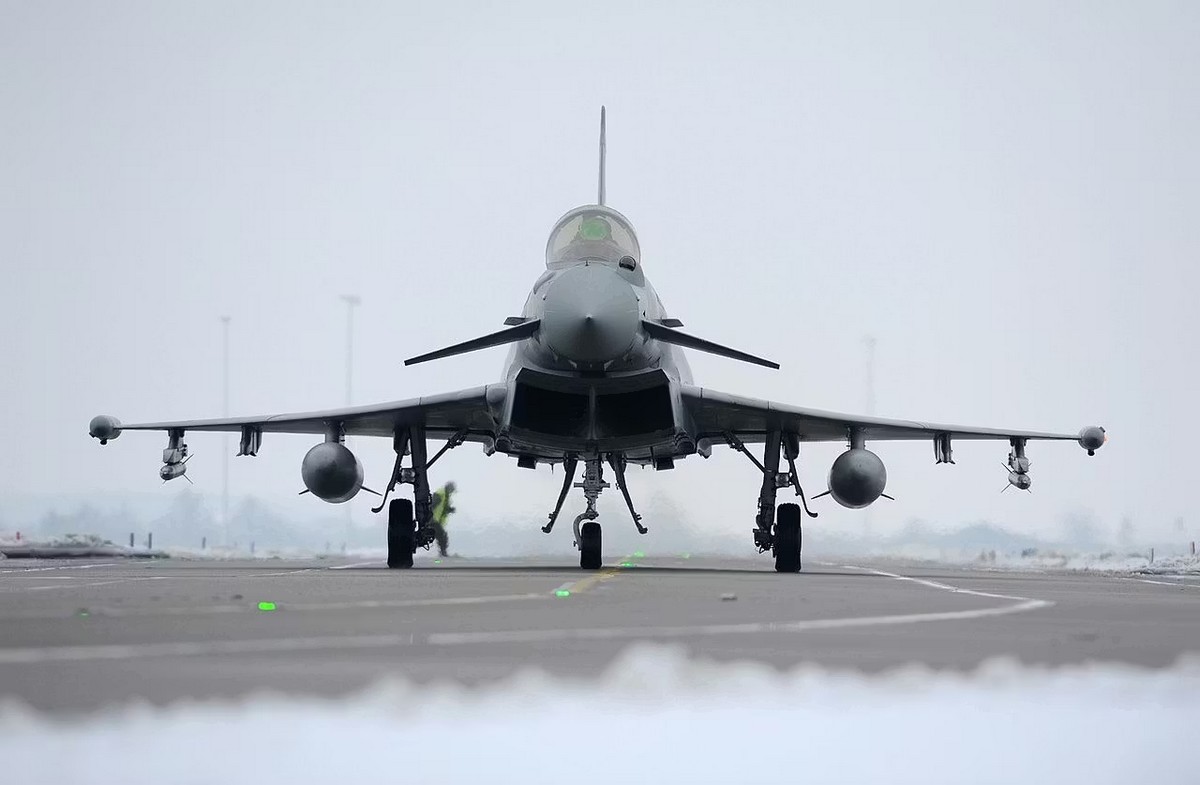
This proactive stance is informed by a notable incident approximately one year ago, when RAF Typhoon aircraft were deployed to escort a Lapland-registered aircraft over major UK cities in the early hours of December 25th. Reports from that incident indicated concerns regarding the pilot’s operational fitness, with descriptions suggesting a state of impairment that could compromise flight safety, especially given the significant volume of cargo the aircraft was transporting.
A Ministry of Defence (MoD) spokesperson, identified as C. Cringle, commented on the upcoming operations:“Interception is a core function of our Quick Reaction Alert (QRA) force. We are obligated to identify and confirm the nature of any aircraft approaching or transiting our airspace. While the craft’s consistent annual appearance provides some predictability, we adhere to strict vigilance and do not take any chances.”
The MoD anticipates a recurrence of these events towards the end of next month, specifically between the 24th and 25th of December. Previous tracking operations, utilizing satellites equipped with infrared sensors, reportedly detected an unusual heat signature, described by sources as originating from an animal’s red nose. This detection point initiated the RAF’s escort of the distinctively marked aircraft across numerous British cities, towns, and villages.
The aircraft itself is reported to employ an unconventional propulsion system, comprising eight, and occasionally nine, organic units. Despite its seemingly antiquated method of propulsion, the craft exhibits a radar cross-section that one analyst described as “surprisingly large for something that repeatedly evades full identification.” More notably, it has consistently demonstrated an extraordinary capability to access every household in the country within a single night. This sortie rate has been privately characterized by RAF officials as “frankly unreasonable,” prompting inquiries from the Northern Arctic Directorate (NAD) regarding the logistical support contract that could facilitate such a high level of aircraft availability and operational efficiency.
Quick Reaction Alert crews stationed at RAF Coningsby and RAF Lossiemouth are expected to maintain readiness throughout the night of December 24th. Engineering teams have been instructed to ensure aircraft are fully fueled, communication systems are charged, and, following observations from last year’s mission, a supply of mince pies is available to be left on the wing. This unusual provision is understood to be a non-standard incentive for the visiting craft to comply with instructions.
Air-to-air refuelling has been deemed impractical for this operation. The Voyager tanker fleet is reportedly unable to refuel the aircraft, not due to mechanical incompatibility or lack of a boom system, but because the craft’s propulsion system is understood to require brandy as a fuel source rather than conventional jet fuel.
International collaboration on monitoring this phenomenon is extensive. Colleagues in North America have reportedly tracked the same craft for decades and share their intelligence data with allied nations annually. Sources suggest that this intelligence product is “the most eagerly followed intelligence report within the NATO alliance,” particularly among demographics under the age of ten, highlighting its unique cultural significance alongside its security implications.
The existence of a “list” detailing citizen behaviour remains a significant point of concern. When questioned about any government assessment of data purportedly gathered on British citizens, a Northern Arctic official responded to the UK Defence Journal:“We do not comment on lists, classified or otherwise, for reasons of operational security.”Privacy advocacy groups have highlighted that individuals on this alleged list are never consulted regarding data collection, although most reportedly accept the outcomes, provided their expected cargo is delivered.
Further questions persist regarding the pilot’s methods of gaining access to British homes. The preferred route of entry is understood to be via chimneys, a vulnerability in national resilience that one parliamentary committee has termed “an open secret.” Households without chimneys are reportedly visited nonetheless, through unexplained means that the UK Government has so far been unable to clarify. This lack of explanation has reportedly led to hundreds of thousands of Written Parliamentary Questions being submitted by the opposition, in an unprecedented volume.
Further updates on this developing situation are expected on December 25th.
Why This Matters
The annual deployment of Royal Air Force assets to track and potentially intercept an unregistered aircraft, despite its recurring nature, raises several critical issues for national security, air sovereignty, and public policy. The persistent appearance of a craft that defies conventional aviation norms and regulations presents a unique challenge to established defense protocols.
Firstly, **Air Sovereignty and National Security** are directly implicated. Any unauthorized flight within a nation’s airspace, particularly one with alleged data-gathering capabilities and unconventional access methods into private residences, represents a serious breach of sovereignty. The inability to fully identify, control, or regulate such an entity annually underscores a persistent vulnerability that demands a robust, if unconventional, response. The reported ease with which the craft accesses homes through chimneys or unexplained means highlights potential security gaps in domestic infrastructure and raises questions about public safety.
Secondly, **Data Privacy and Ethical Concerns** are paramount. Claims of “behavioural intelligence-gathering capabilities” and the existence of a “list” of citizens, compiled without consent, pose significant ethical and legal questions. In an era of increasing scrutiny over data collection and surveillance, the alleged, unconsented aggregation of personal information on a national scale, by an unidentified entity, would represent a profound violation of privacy rights. Governments are typically held to strict standards regarding data protection; this phenomenon challenges those norms in an extraordinary way.
Thirdly, the **Allocation of Defence Resources** is a practical concern. The annual commitment of Quick Reaction Alert forces, including advanced fighter jets and personnel, to monitor this specific event diverts valuable resources that could otherwise be focused on known, tangible threats to national security. While the MoD emphasizes vigilance, the recurring nature of the event warrants ongoing review of resource allocation versus the perceived threat level.
Finally, the **International Cooperation and Unconventional Threats** aspect is noteworthy. The decades-long monitoring by international allies, particularly North America, and the sharing of intelligence data within NATO, highlight a collective recognition of this anomaly. It underscores the challenges posed by entities that operate outside conventional geopolitical and technological frameworks, necessitating novel approaches to intelligence gathering and defense. The sustained, coordinated international response to such an unusual, yet predictable, phenomenon speaks to its unique status as both a security concern and a cultural touchstone.
The Royal Air Force’s preparations are therefore not merely a response to an anomalous flight, but a reflection of broader challenges in maintaining sovereignty, safeguarding privacy, and adapting defense strategies in an increasingly complex and sometimes inexplicable world.