
Key Takeaways:
- Strategic Re-alignment & Cost Rationalization:Starbucks’ decision to cut 300 U.S. support roles and consolidate regional offices is a direct response to margin compression and an intensified focus on its “Back to Starbucks” strategy, signaling a pivot towards operational efficiency and a leaner corporate structure amidst rising costs.
- Balancing Growth with Profitability:While the “Back to Starbucks” strategy initially spurred strong sales growth, it came at the expense of operating profit margins, which nearly halved. These job cuts and real estate write-downs represent management’s concerted effort to re-establish durable, profitable growth and satisfy investor demands for improved bottom-line performance.
- Geographic & Economic Headwinds:The narrative surrounding Starbucks’ shift from Seattle, highlighted by former CEO Howard Schultz’s critique of the city’s political climate and the move of 2,000 jobs to Nashville, underscores a broader trend of companies seeking more business-friendly environments and lower operating costs, influencing corporate real estate strategies and regional economic development.
‘The Big Money Show’ co-hosts discuss Seattle Mayor Katie Wilson’s remarks dismissing millionaires leaving the city as Starbucks moves 2,000 jobs to Nashville.
SEATTLE, WA –Global coffee behemoth Starbucks (SBUX) is undertaking a significant corporate restructuring, announcing the elimination of approximately 300 U.S. support roles and the consolidation of several regional support offices. This strategic pivot, communicated by a Starbucks spokesperson, is framed as a critical component of the ongoing “Back to Starbucks” initiative, aimed at restoring “durable, profitable growth” in a challenging macroeconomic landscape.
“We are taking further action under the Back to Starbucks strategy, building on our strong business momentum and working to return the company to durable, profitable growth,” the spokesperson stated, emphasizing a concerted effort by leadership to “sharpen focus, prioritize work, reduce complexity, and lower costs.” The impact is not limited to domestic operations, with a review of international support organizations also underway, signaling potential additional role adjustments outside the U.S. as the company refines its global licensing model.
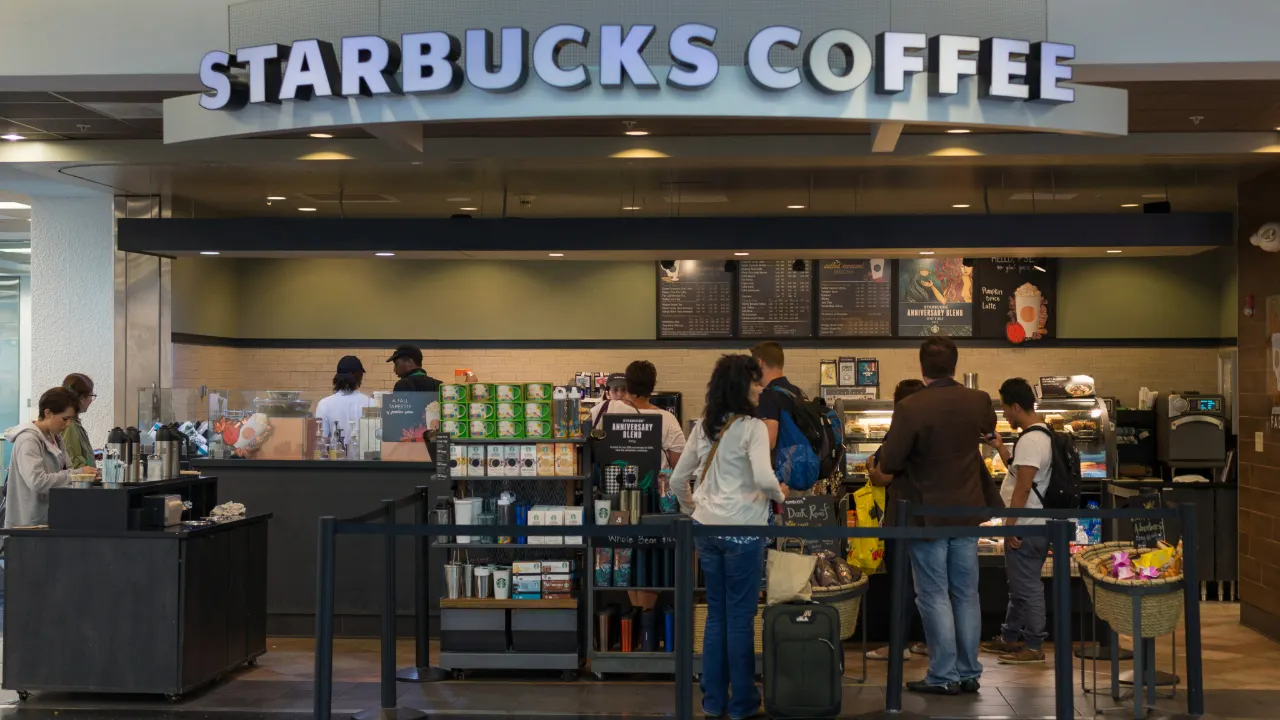
A Starbucks coffee store at Miami International Airport.(iStock)
This move comes at a pivotal time for Starbucks, as it navigates persistent inflationary pressures, rising labor costs, and evolving consumer spending habits. The “Back to Starbucks” strategy, spearheaded by CEO Brian Niccol, has seen substantial investments in the frontline workforce, including increased barista staffing and improved benefits. While these investments contributed to the company posting its strongest sales growth in over two years last month, they also exerted considerable pressure on the bottom line, with operating profit margins falling by nearly half since the strategy’s inception in late 2024.
STARBUCKS CUTS JOBS IN SEATTLE AS FORMER CEO HOWARD SCHULTZ BLASTS ‘SOCIALIST’ MAYOR
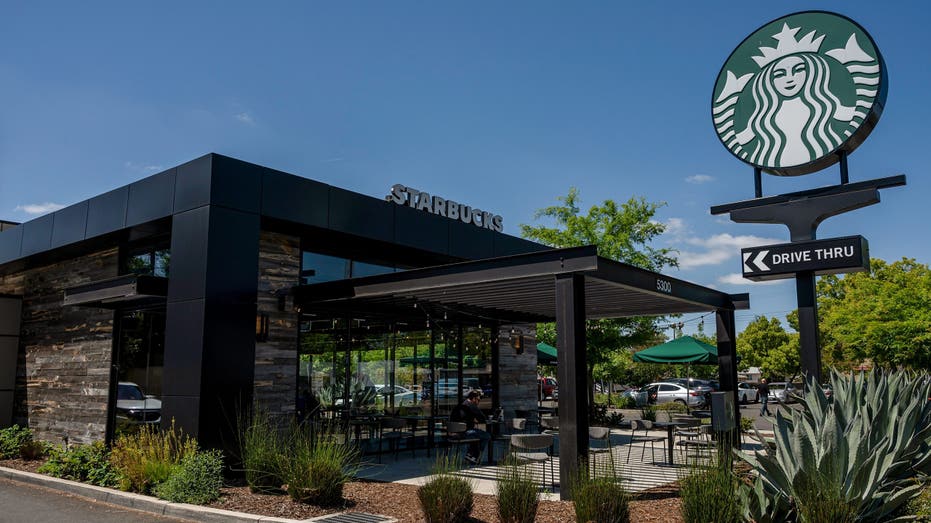
A Starbucks coffee shop in Sacramento, California.(David Paul Morris/Bloomberg via Getty Images)
The operational streamlining extends to the company’s real estate footprint. Starbucks confirmed it is “consolidating U.S. regional support office space and taking several other steps with leases and lease commitments.” This rationalization of non-retail support facilities aligns with a broader corporate trend towards optimizing physical office space in the post-pandemic era, driven by hybrid work models and the imperative to reduce overheads.
WHY STARBUCKS PICKED NASHVILLE OVER SEATTLE FOR EXPANSION, ACCORDING TO LOCAL BUSINESS REPORTER

A customer holds a Starbucks cup outside one of the company’s coffee shops in San Francisco, California.(David Paul Morris/Bloomberg via Getty Images)
The strategic decisions are not occurring in a vacuum. The context of Starbucks’ relationship with its hometown of Seattle, and the broader debate around corporate residency, adds a significant layer of market context. Former Starbucks CEO Howard Schultz has been a vocal critic of Seattle’s political and economic climate, publicly blasting the city’s “socialist” mayor, Katie Wilson, and her remarks dismissing the exodus of millionaires. This sentiment gained traction with Starbucks’ prior announcement of relocating approximately 2,000 corporate jobs to Nashville, a move often interpreted as a preference for more business-friendly regulatory and tax environments found in states like Tennessee. The decision by Schultz himself to relocate to Florida from Washington State further amplifies this narrative, signaling a potential shift in corporate strategy away from traditionally high-cost, high-tax urban centers.
FORMER STARBUCKS CEO HOWARD SCHULTZ MOVES TO FLORIDA FROM WASHINGTON STATE
Financially, the company anticipates incurring approximately $120 million in severance benefits for the terminated employees, a direct cost associated with the restructuring. Furthermore, Starbucks is reducing the book value of some real estate by $280 million. This impairment charge primarily relates to its reserve and roastery locations, as well as certain non-retail support facilities. Such write-downs often reflect a reassessment of asset values in light of changing market conditions, strategic refocusing, or anticipated underperformance, and are closely scrutinized by investors as indicators of asset efficiency and future profitability.
For investors, these actions underscore management’s commitment to enhancing shareholder value through operational discipline. While the upfront costs of severance and real estate write-downs will impact near-term earnings, the stated objective of reducing complexity and lowering ongoing costs aims to bolster long-term profitability and improve return on invested capital. The market will be closely watching for signs that these measures translate into sustained margin expansion and a more agile, efficient organization capable of navigating intense competition and fluctuating consumer demand.
GET FOX BUSINESS ON THE GO BY CLICKING HERE
| Ticker | Security | Last | Change | Change % |
|---|---|---|---|---|
| SBUX | STARBUCKS CORP. | 106.40 | +0.45 | +0.42% |
Reuters contributed to this report.
Market Impact:
Starbucks’ restructuring efforts, including job cuts and real estate write-downs, are likely to be viewed by the market as a necessary, albeit costly, step towards improving operational efficiency and profitability. While the immediate financial outlay for severance and impairments may pressure short-term earnings, the long-term impact is anticipated to be positive, signaling management’s commitment to margin recovery and capital discipline. Investors typically react favorably to cost-cutting measures from mature companies facing margin compression, often leading to a boost in investor confidence and potential upward revisions in future earnings estimates. Furthermore, these moves could serve as a bellwether for other large corporations grappling with high operating costs in major urban centers, potentially accelerating a trend of corporate relocations to more fiscally attractive regions. For Starbucks shareholders, the success of these measures will hinge on their ability to translate into sustained earnings growth and a stronger return on equity, closely monitored against the backdrop of an evolving consumer landscape and intense competition within the global coffee market.