

Key Takeaways
- Unprecedented Financial Exposure:Four states are seeking a staggering $1.4 trillion in penalties from Meta, a figure that rivals the company’s entire market capitalization, signaling an existential financial threat and unprecedented legal liability for a tech giant.
- Escalating Regulatory Scrutiny:This multi-state action, alongside numerous other lawsuits, underscores a rapidly intensifying regulatory environment for Big Tech, particularly concerning platform design, youth mental health, and data privacy, creating a significant regulatory overhang for Meta and its peers.
- Threat to Core Business Model:A successful prosecution could force fundamental changes to Meta’s platform design and content moderation, potentially impacting user engagement, advertising revenue streams, and long-term growth trajectories, especially within crucial younger demographics.
A legal battle of monumental proportions is poised to unfold, with four U.S. states demanding an astonishing $1.4 trillion in penalties from Meta Platforms, Inc., over allegations that the social media behemoth intentionally designed Facebook and Instagram to be addictive to children and deliberately concealed critical information about the platforms’ detrimental effects on young users. This figure, nearing Meta’s impressive $1.5 trillion market capitalization, represents an unprecedented level of financial exposure in consumer protection enforcement history and casts a significant shadow over the company’s future valuation and strategic direction.
The case, spearheaded by California, Colorado, Kentucky, and New Jersey, is slated for trial next month in Oakland, California. Meta, in a recent court filing, vehemently disputed the proposed penalty amount, asserting its lack of evidentiary support and historical precedent. Such a colossal sum, if even partially successful, would send shockwaves through the global financial markets, fundamentally altering investor perception of regulatory risk in the technology sector.
The states’ calculation of penalties, though sealed, reportedly involves multiplying the number of alleged violations by state-mandated fine amounts, with the scope of violations tied to the estimated number of young users impacted by Meta’s platforms. This methodology suggests a deep analysis of user data and platform engagement, directly challenging Meta’s assertion of innocent platform design.
This quartet of states is part of a much larger legal offensive against Meta. Nearly 30 states have filed federal lawsuits, primarily alleging violations of the Children’s Online Privacy Protection Act (COPPA) by unlawfully collecting data from minors without parental consent. The upcoming trial will address these COPPA claims alongside the four states’ consumer protection allegations, specifically that Meta misled the public about the safety and addictiveness of its platforms. Beyond this, another 14 states have initiated claims under their own state-specific laws, slated for separate trials next year, highlighting the broad-based, decentralized assault Meta is facing.
Meta has consistently pushed back against these accusations. The company argues that social media addiction is not an established psychiatric condition, thus undermining claims of intentional addictive design. Furthermore, it contends that its platforms were marketed to a general audience, not specifically to children under 13, thereby disputing the applicability of COPPA violations. This defense strategy aims to dismantle the core tenets of the states’ cases, presenting a narrative of responsible platform development and broad user engagement rather than targeted exploitation.

Nearly 30 states have sued Meta in federal court.(Photo Illustration by Onur Dogman/SOPA Images/LightRocket via Getty Images / Getty Images)
The severity of the situation for Meta was underscored late last month when U.S. District Judge Yvonne Gonzalez Rogers rejected Meta’s bid to dismiss the case. Judge Rogers ruled that significant factual disputes remained regarding the alleged addictiveness of Meta’s platforms, whether the company falsely denied such design intentions, and the extent to which the platforms were marketed towards children. This judicial decision serves as a significant setback for Meta, signaling that the states have presented sufficient evidence to warrant a full trial and forcing the company into a costly and potentially damaging legal battle.
“We strongly disagree with these allegations and are confident the evidence will show our longstanding commitment to supporting young people,” a Meta spokesperson stated following the judge’s ruling, reiterating the company’s defensive stance and readiness to contest the claims in court. However, the market will be closely watching for any signs of wavering or potential settlement talks as the trial approaches.
This legal maelstrom is not unique to Meta. The company, alongside other social media giants like Snapchat, YouTube (owned by Google), and TikTok, is grappling with thousands of similar lawsuits in both federal and state courts. These cases collectively allege that these platforms were knowingly designed to be addictive to young users, thereby fueling a burgeoning youth mental health crisis. This broad legal front represents a systemic challenge to the entire social media industry, threatening to fundamentally reshape how these companies design, operate, and monetize their platforms.
A recent development in New Mexico further illustrates the tangible risks involved. That state was the first to take Meta to trial, with a jury in March awarding it $375 million after finding that Meta had misled consumers. A judge in New Mexico is now considering additional damages and a potential court order mandating changes to Facebook, Instagram, and WhatsApp. This verdict sets a crucial precedent, demonstrating that states can successfully prosecute these claims and extract significant financial penalties, increasing pressure on Meta to consider settlement options or face similar outcomes in other jurisdictions.
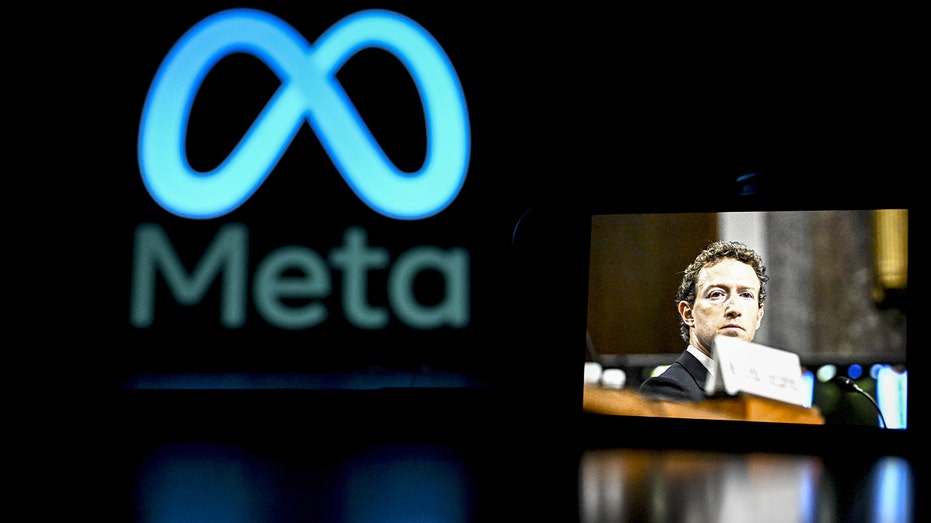
A trial is set to begin next month in Oakland, California, in a case brought by California, Colorado, Kentucky and New Jersey.(Arda Kucukkaya/Anadolu via Getty Images / Getty Images)
Market Impact
The potential $1.4 trillion penalty represents an existential threat to Meta’s valuation and casts a long shadow over its stock performance. Even if the final judgment is a fraction of this sum, the ongoing legal uncertainty creates a significant “regulatory overhang,” likely dampening investor confidence, increasing stock volatility, and potentially leading to a discounted valuation as the market prices in substantial litigation risk. Beyond direct financial penalties, any court-mandated changes to platform design – such as stricter age verification, limitations on engagement-driving features, or reduced data collection from minors – could directly impact Meta’s core advertising revenue model by reducing user engagement, shrinking the addressable market for ads, and limiting data-driven personalization capabilities. This would challenge Meta’s growth trajectory and profitability, especially in an environment where ad revenue growth is already facing headwinds. Furthermore, this broad legal onslaught against Meta and its peers signals a growing focus on Environmental, Social, and Governance (ESG) factors within the tech sector, potentially influencing institutional investment decisions and raising the cost of capital for companies perceived as having poor social governance records. The outcome of these trials will not only define Meta’s future but also set a powerful precedent for the entire social media industry, potentially ushering in an era of heightened accountability and regulatory intervention that could reshape the digital landscape for years to come.