
Key Takeaways for Investors:
- **Product Safety Under Scrutiny:** Walmart’s recall of nearly 4.5 million Expert Grill brushes highlights increasing regulatory pressure and consumer expectations for product safety, a critical factor for investor confidence in large retailers.
- **Reputational and Financial Implications:** While immediate financial impact on WMT is likely contained, the recall underscores potential costs related to refunds, logistical complexities, and potential long-term damage to brand trust if not managed proactively.
- **Supply Chain Vigilance:** The incident draws attention to the ongoing challenges for global retailers in maintaining stringent quality control across extensive and often international supply chains, an area demanding continuous investor oversight.
Check out what’s clicking on FoxBusiness.com.
BENTONVILLE, ARK. – In a move that underscores the persistent challenges of product safety within vast retail supply chains, Walmart (NYSE: WMT) has initiated a substantial recall affecting millions of grill-cleaning brushes. This proactive measure, while essential for consumer protection, carries potential implications for the retail giant’s brand reputation and operational overhead, signaling broader market considerations for investors.
The retail behemoth is urging millions of shoppers who purchased Expert Grill-branded brushes over the past five years to immediately cease using them. The critical concern stems from the risk of tiny metal bristles detaching during cleaning, potentially lodging in food, and causing severe internal injuries that could necessitate surgical intervention. This type of product liability issue, even in the absence of reported injuries, can lead to significant financial and reputational headwinds for a company of Walmart’s scale.
The U.S. Consumer Product Safety Commission (CPSC) announced the recall of nearly 4.5 million Expert Grill brushes, citing the potential for wire bristles to break loose and become embedded on grills or in food. For a company like Walmart, which prides itself on everyday low prices and accessibility, such a widespread safety concern, even for a relatively low-cost item, can echo across its vast customer base and impact consumer confidence, a key metric for retail sector performance.
The recall, formally announced on October 1st, encompasses five distinct products sold both in Walmart stores nationwide and through its robust e-commerce platform, Walmart.com. These products, priced affordably from just $1 to $28, represent a significant volume of potentially hazardous items in circulation, amplifying the logistical and communication challenges inherent in a recall of this magnitude. For investors, this highlights the “cost of doing business” in a highly regulated consumer market, where proactive recalls, though costly, are often preferable to the alternative of widespread injury claims and litigation.
POPULAR EYE DROPS SOLD AT WALGREENS RECALLED OVER STERILITY CONCERNS
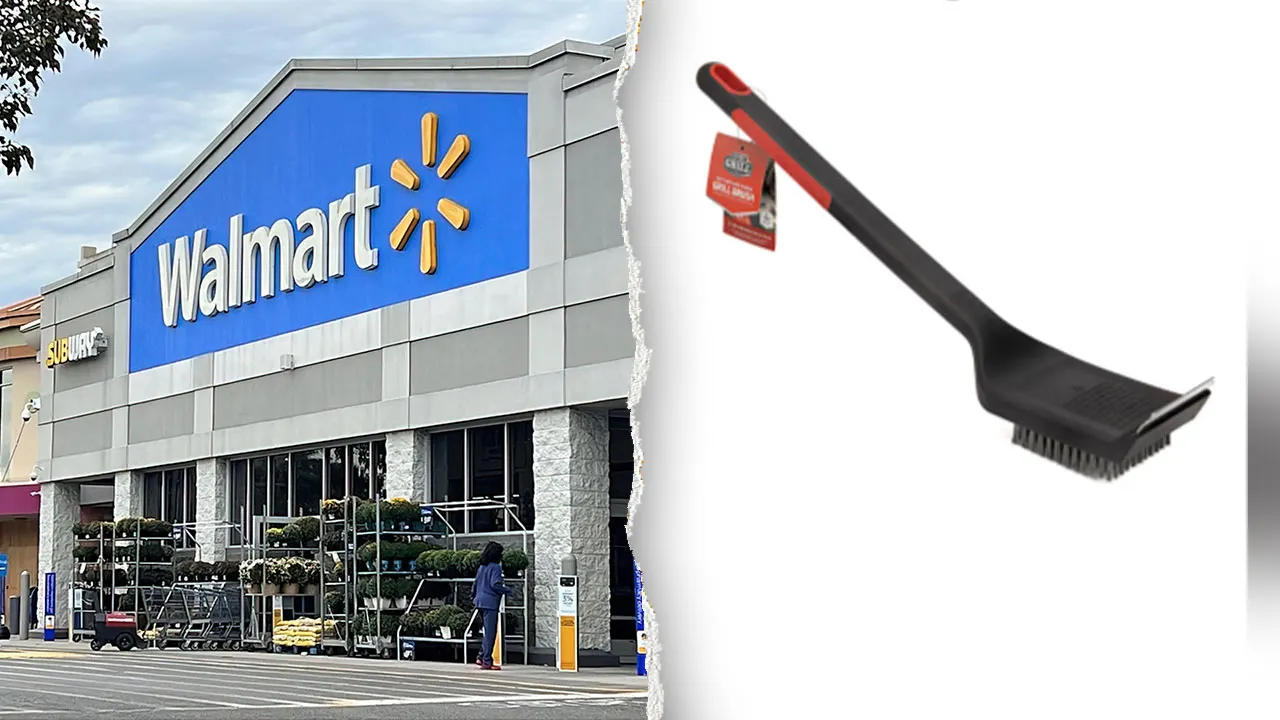
Walmart is recalling nearly 4.5 million Expert Grill brushes, including this long-handled model, because metal bristles could detach and pose an ingestion hazard.(U.S. Consumer Product Safety Commission / Unknown)
Despite the absence of reported injuries or incidents to date, the inherent danger of these brushes may not be immediately apparent to the average consumer. The insidious nature of small metal bristles detaching and adhering to cooking surfaces, only to transfer to food, poses a latent risk that regulatory bodies and consumer advocates are increasingly scrutinizing. This ‘no-injury-yet’ scenario doesn’t mitigate the financial risk; instead, it underscores Walmart’s responsibility to prevent potential harm and the CPSC’s vigilance in preempting public health crises. Such proactive recalls, while costly in the short term, are viewed by analysts as crucial for maintaining long-term brand equity and mitigating future legal liabilities.
The extensive sales period, with some affected brushes distributed as early as January 2021, means a significant portion of the consumer base may have been using these potentially hazardous products for years. This extended timeline complicates the recall process, requiring extensive outreach and a robust customer service infrastructure to manage inquiries and returns effectively. For a company of Walmart’s operational complexity, managing such a widespread recall tests its logistical capabilities and its commitment to consumer safety, factors that increasingly influence Environmental, Social, and Governance (ESG) ratings coveted by institutional investors.
The recalled products fall under Walmart’s popular Expert Grill brand and include a variety of barbecue tools: handheld brushes, long-handled brushes with integrated scrapers, a distinctive three-head stainless steel bristle brush, and a comprehensive 10-piece barbecue tool set. These items, designed for widespread appeal and affordability, represent a segment of the market where quality control can often be challenged by cost pressures, a common dilemma for global retailers sourcing goods internationally.
MORE THAN 265K RAM VEHICLES FACING RECALL OVER STEERING DEFECT, REGULATORS SAY
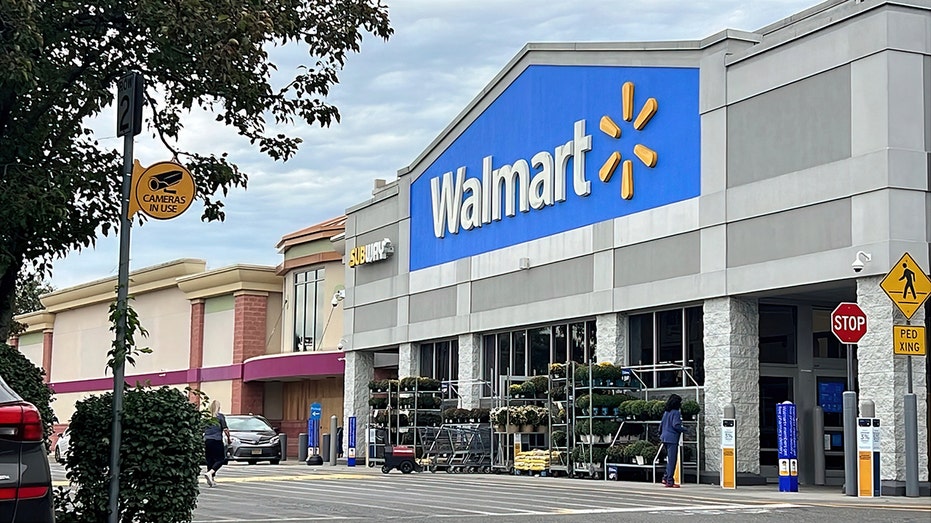
A Walmart store in East Meadow, N.Y., Sept. 16, 2025.(Howard Schnapp/Newsday RM via Getty Images / Getty Images)
Consumers can easily identify the affected brushes by their black plastic or stainless steel handles, some of which feature attached metal scrapers. Crucially, specific model numbers listed in the CPSC recall notice provide definitive identification. Walmart’s response includes offering customers a full refund or a credit for use at its stores or on Walmart.com. Customers are advised to either return the recalled brushes or safely dispose of them. The efficiency and transparency of this remedy process will be closely watched by consumer advocates and, by extension, investors, as it directly reflects on Walmart’s commitment to corporate responsibility.
A representative for Walmart did not immediately respond to FOX Business’ request for comment, which is typical during the initial phase of a major recall as companies focus on internal coordination and public safety communications. However, market participants will anticipate a more comprehensive statement outlining the company’s internal review processes and any potential adjustments to its supply chain management or quality assurance protocols.
| Ticker | Security | Last | Change | Change % |
|---|---|---|---|---|
| WMT | WALMART INC. | 111.35 | +0.79 | +0.71% |
CLICK HERE TO GET FOX BUSINESS ON THE GO
The brushes in question were manufactured in China and imported by Walmart, headquartered in Bentonville, Arkansas. This highlights the globalized nature of modern retail supply chains and the inherent complexities in ensuring consistent quality control across international borders. The trend of product recalls originating from overseas manufacturers has been a recurring theme for consumer goods companies, prompting increased scrutiny from regulators and investors alike regarding sourcing practices and supplier oversight.
Consumers seeking more information or assistance with the recall can contact Walmart directly at 800-925-6278, available from 7 a.m. to 9 p.m. CT, Monday through Friday, or visit the company’s dedicated product recall website. Transparent and accessible communication channels are paramount during recalls, playing a vital role in mitigating public apprehension and preserving brand loyalty.
Market Impact:
For a company of Walmart’s immense scale, a single product recall, even one involving 4.5 million units, is unlikely to cause a significant immediate dip in its stock price (WMT). The company’s diversified revenue streams and robust market position typically buffer against isolated incidents. However, the recall serves as a critical reminder of ongoing operational risks that can impact long-term valuation. Investors will be monitoring the efficiency of Walmart’s recall execution, its communication strategy, and any adjustments to its global sourcing and quality control frameworks. A pattern of such recalls could erode consumer trust, increase legal and regulatory costs, and potentially affect Walmart’s competitive standing, especially in an environment where ESG factors are gaining prominence. Furthermore, this incident contributes to broader market discussions on the inherent challenges of maintaining stringent quality standards in cost-optimized, global supply chains, potentially leading to increased due diligence requirements for all retailers and a renewed focus on product safety within the consumer discretionary sector.