
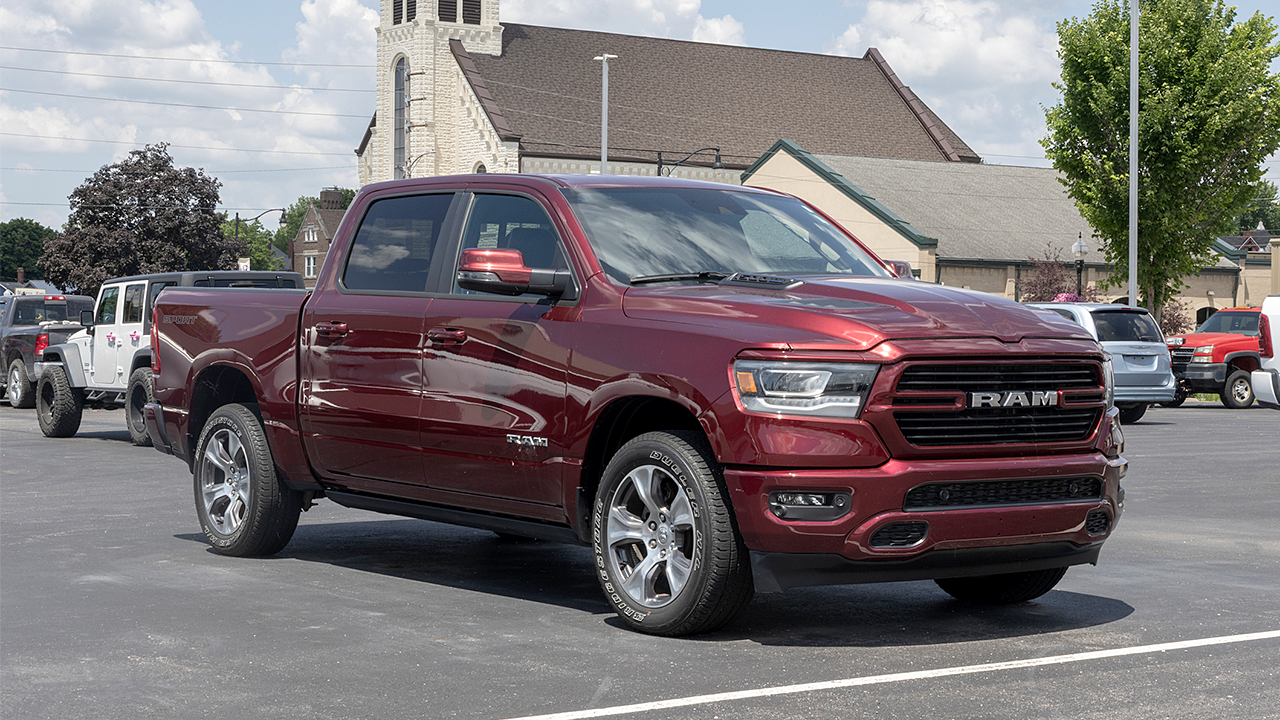
Stellantis has recalled 82,843 model-year 2022–2024 Ram 1500 Classic pickup trucks due to an anti-lock brake software issue that increases crash risks.
**Key Takeaways:**
- **Operational Headwind:** Stellantis (STLA) faces immediate operational costs and logistical challenges from recalling over 80,000 Ram 1500 Classic trucks, impacting near-term service center loads and potentially Q1/Q2 financial results.
- **Software Risks Magnified:** This recall underscores the escalating importance of software integrity in modern vehicles, highlighting a systemic risk across the automotive industry as vehicles become increasingly software-defined, with potential implications for regulatory scrutiny and development costs.
- **Brand Reputation & Competitive Pressure:** While the financial impact might be manageable, the recall poses a risk to the esteemed Ram brand’s reputation for reliability in the highly competitive and profitable North American truck market, potentially influencing consumer confidence and sales against rivals like Ford and General Motors.
In a move that signals the increasing complexity and software-centric nature of modern automotive manufacturing, global automaker Stellantis (NYSE: STLA) has initiated a significant safety recall affecting more than 80,000 Ram pickup trucks. The recall, primarily impacting 82,843 2022-2024 Ram 1500 Classic models, stems from a critical software defect within the anti-lock brake (ABS) module that federal regulators warn could substantially elevate the risk of a crash. For a company heavily reliant on its profitable North American truck segment, this development introduces an unwelcome operational and reputational headwind.
The National Highway Traffic Safety Administration (NHTSA) detailed in its recall notice that the anti-lock brake module software may misinterpret inputs from the brake pedal and pedal sensor. This glitch is not merely a minor inconvenience; its potential ramifications include improper brake light illumination, unintended vehicle movement, and, critically, the disabling of essential driver-assist features such as electronic stability control, AutoPark, and forward collision warning systems. Each of these functions plays a vital role in modern vehicle safety, and their compromised operation presents a tangible threat to occupants and other road users.
Stellantis has recalled more than 80,000 Ram pickup trucks over a software defect.(Getty Images / Getty Images)
NHTSA’s explicit statement that the defect “can increase the risk of a crash” underscores the severity of the issue, placing it firmly within the category of high-priority recalls. While Stellantis reported awareness of only one accident without injury directly linked to the issue, the company’s internal records show a broader pattern of related complaints, including 12 customer assistance reports, a substantial 6,001 warranty claims, 48 field reports, and 5,310 other service records. This volume of documented issues suggests a persistent problem that required systemic intervention.
From a financial perspective, mass recalls, even for software fixes, are rarely without cost. While the specific financial outlay for this recall has not been disclosed, Stellantis will bear the expenses associated with diagnosing and updating the anti-lock brake module software at its dealerships, free of charge to vehicle owners. These costs encompass labor, diagnostic tools, and administrative overhead, which, when multiplied by over 80,000 vehicles, can quickly amount to millions of dollars. For a global automaker like Stellantis, which is simultaneously investing billions into its “Dare Forward 2030” strategy focused on electrification and software-defined vehicles, such unplanned expenditures can strain profit margins, particularly in its highly competitive North American market where Ram trucks are a cornerstone of profitability.

A total of 82,843 2022-2024 Ram 1500 classic pickup trucks are affected by the recall.(Getty Images / Getty Images)
This incident also highlights a broader industry trend. As vehicles transform into sophisticated, software-driven machines, the nature of recalls is shifting from purely mechanical failures to complex electronic and software glitches. Recent recalls, such as Honda’s 810,000 vehicles over dangerous Takata airbag inflators or BMW’s 720,000 vehicles due to fire threats, often involved hardware components. However, this Stellantis recall, centered on a software defect, is increasingly becoming the norm. This paradigm shift demands significant investment from automakers in robust software development, stringent quality assurance, and over-the-air (OTA) update capabilities, which can mitigate future large-scale physical recalls. Stellantis, with its STLA Brain and STLA SmartCockpit initiatives, is actively pursuing these advancements, but this recall underscores the immense challenges in this transition.
The pickup truck segment is fiercely competitive and incredibly lucrative for the “Big Three” U.S. automakers. Ram’s consistent performance is crucial for Stellantis’s North American market share and overall profitability. A recall affecting a popular model like the Ram 1500 Classic, even if remedied promptly, can temporarily erode consumer confidence and potentially give an edge to rivals like Ford’s F-Series or General Motors’ Chevrolet Silverado. Maintaining a reputation for reliability and safety is paramount in this segment, where brand loyalty is often strong but can be fragile.

Dealerships will update the truck’s anti-lock brake module software at no cost to vehicle owners.((Photo by Artur Widak/NurPhoto via Getty Images) / Getty Images)
Stellantis has indicated that owner notification letters are slated to be mailed beginning on January 14, setting a clear timeline for the remedial action. Dealerships will perform the necessary anti-lock brake module software updates at no cost, a standard practice designed to minimize customer inconvenience and maintain brand goodwill. However, the logistical challenge of coordinating these updates across a vast dealership network and ensuring timely completion for over 80,000 vehicles will test Stellantis’s operational efficiency.
**Market Impact:**
This recall, while significant in scope, is likely to be viewed by the market as a manageable operational challenge for Stellantis (STLA) rather than a fundamental threat to its financial health. The direct costs, though in the millions, are expected to be absorbed within existing budgets and will unlikely have a material long-term impact on the company’s market capitalization or earnings guidance. However, investors and analysts will closely monitor the execution of the recall, as any delays or further complications could signal deeper quality control issues and potentially weigh on investor sentiment. More broadly, the incident reinforces the market’s increasing scrutiny of software reliability in the auto sector, prompting closer examination of R&D investments in cybersecurity and quality assurance across the industry as automakers race to develop software-defined vehicles.