
Check out what’s clicking on FoxBusiness.com.
Key Takeaways
As a financial journalist, we highlight the following market implications from the expanded frozen berry recall:
- Supply Chain Vulnerability & Cost Escalation:The incident underscores the inherent risks in complex global food supply chains, particularly for organic produce. For Frutas y Hortalizas del Sur S.A., direct costs include recall logistics, legal exposure, potential fines, and significant brand damage, threatening future contracts with major U.S. retailers.
- Retailer Reputational & Operational Risk:While Walmart and Trader Joe’s are not directly responsible for the contamination, their brand equity and consumer trust are indirectly impacted. They face costs associated with product removal, customer returns, and intensified supplier vetting, which could lead to higher procurement expenses and potential shifts in sourcing strategies.
- Erosion of Consumer Confidence in Organic Segment:The E. coli outbreak in “organic” products could significantly dent consumer confidence in the premium organic food market, potentially slowing its growth trajectory. This forces the entire sector to re-evaluate quality control and transparency to reassure a discerning customer base.
A Chilean fruit supplier has expanded a recall of its frozen organic berries, which were sold in Walmarts and Trader Joe’s stores across the United States, sending ripples through the supply chain and raising questions about food safety protocols in the booming organic sector.
The products, sourced from Frutas y Hortalizas del Sur S.A., have been definitively linked to an E. coli outbreak that has impacted 17 individuals, leading to six hospitalizations across Florida and Georgia, according to the Centers for Disease Control and Prevention (CDC). While no fatalities have been reported, the incident highlights critical vulnerabilities in the global distribution of perishable goods and the significant financial and reputational costs associated with such public health crises.
The company initiated an updated recall on Friday, broadening its scope to include additional lots of its widely distributed Great Value frozen Organic Triple Berry Blend and Great Value frozen Organic Blueberries. For a retail giant like Walmart, which relies heavily on its “Great Value” private label for competitive pricing and consumer loyalty, such a recall represents a direct challenge to its brand integrity and the efficacy of its supplier vetting processes.
Bags of Great Value Organic berries were recalled from Walmart stores across 30 states after they were linked to an E. coli outbreak that sickened 17 people.(Food and Drug Administration)
Further exacerbating the issue, another lot of Trader Joe’s frozen Organic Mixed Berry Blend was also added to the recall list, as detailed in a bulletin from the Food and Drug Administration (FDA). For Trader Joe’s, a retailer celebrated for its curated selection and strong customer trust, a food safety incident involving an organic product can be particularly damaging, potentially eroding the premium perception its loyal customer base holds.
The recalled Great Value products — identifiable by universal product numbers 7874211226 and 7874211213 — saw widespread distribution, reaching Walmart stores across 30 states. This expansive footprint, encompassing key markets from the Southeast to the Midwest and beyond, underscores the massive logistical undertaking of a recall and the potential for significant inventory write-offs. States affected include Alabama, Arkansas, Connecticut, Florida, Georgia, Iowa, Illinois, Indiana, Kansas, Kentucky, Louisiana, Michigan, Minnesota, Missouri, Mississippi, North Carolina, North Dakota, Nebraska, New Jersey, New York, Ohio, Oklahoma, Pennsylvania, South Carolina, South Dakota, Tennessee, Texas, Virginia, Wisconsin, and West Virginia, along with the Commonwealth of Puerto Rico.
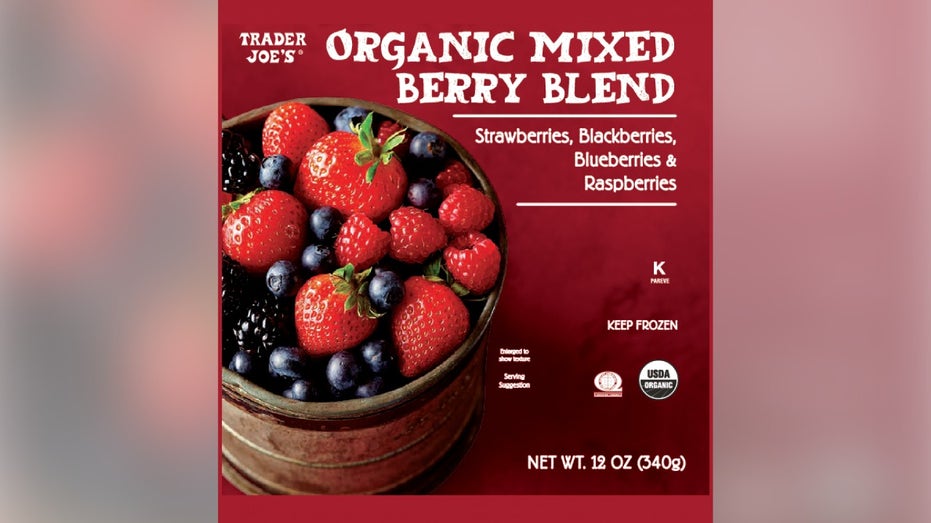
This frozen mixed berry blend was also recalled after being linked to the E. coli outbreak.
Similarly, the recalled Trader Joe’s berries were available on shelves in 26 states, including Alabama, Arkansas, Colorado, Delaware, Florida, Georgia, Illinois, Indiana, Iowa, Kansas, Kentucky, Louisiana, Maryland, Michigan, Minnesota, Missouri, Nebraska, North Carolina, Ohio, Oklahoma, Pennsylvania, South Carolina, Tennessee, Texas, Virginia, and Wisconsin, along with the District of Columbia. The geographic breadth of the recall emphasizes the scale of modern food distribution and the heightened financial exposure retailers face when sourcing from international suppliers.
Consumers who still possess the recalled products in their freezers are strongly advised to dispose of them immediately or return them to the point of purchase for a full refund. This consumer guidance is standard practice during recalls but comes with inherent costs for retailers in terms of processing returns, managing customer service inquiries, and absorbing product losses, all of which impact quarterly earnings and operational efficiency.
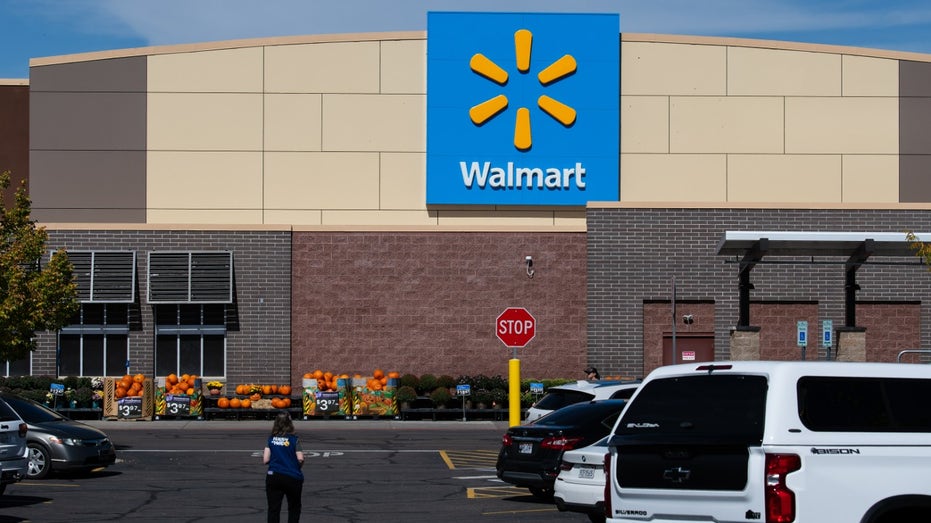
FILE – The recalled Great Value products were shipped to Walmart stores across 30 states.(Charles-McClintock Wilson/NurPhoto via Getty Images)
The Florida Department of Health initially alerted the CDC to the E. coli outbreak in July 2026, triggering an investigation that culminated in its closure by the CDC on Sept. 21. While the immediate public health crisis has concluded, the financial and commercial repercussions for Frutas y Hortalizas del Sur S.A., as well as the indirect impacts on its major U.S. retail partners, are likely to persist for months, if not longer.
Neither Walmart nor Trader Joe’s immediately responded to FOX Business’ requests for comment, indicating either a cautious approach to public statements during an ongoing recall or an internal assessment of the broader financial and reputational fallout. For publicly traded companies like Walmart (WMT), investors will be closely watching for any statements regarding potential impacts on sales, gross margins, or future supply chain strategies in upcoming earnings calls.
This incident also serves as a stark reminder of the challenges in ensuring food safety across intricate global supply chains, particularly for organic products where consumers often pay a premium based on perceived higher quality and safety standards. The incident could prompt a broader industry re-evaluation of supplier auditing, traceability technologies, and potentially a strategic shift towards more localized sourcing to mitigate similar risks and bolster consumer confidence.
Market Impact
The expanded recall of organic frozen berries will have several immediate and long-term market impacts. For Frutas y Hortalizas del Sur S.A., the Chilean supplier, this incident represents a severe blow to its reputation and commercial viability. It faces direct financial penalties from regulatory bodies, potential class-action lawsuits, and the significant risk of losing future contracts with major U.S. retailers, which could decimate its export business. For retailers like Walmart, while the direct financial hit from a single product recall is typically marginal for a company of its scale, the broader risk lies in consumer perception. Erosion of trust in the “Great Value” brand or Walmart’s commitment to food safety could indirectly affect sales across various categories. Similarly, for Trader Joe’s, a brand built on trust and a curated product selection, this incident could alienate its loyal customer base, particularly those who prioritize organic and ethical sourcing. Industry-wide, this event is likely to drive increased investment in supply chain transparency and food safety technologies. It may also lead to a strategic reassessment of global sourcing practices for high-risk products, potentially increasing costs for importers due to more stringent vetting processes or a shift towards more expensive domestic sourcing. The organic food market, a high-growth sector, could experience a temporary dip in consumer confidence, pushing companies to double down on marketing efforts emphasizing safety and origin to maintain premium pricing. Shareholder sentiment for publicly traded retailers like Walmart will hinge on how effectively they communicate their response and reinforce their commitment to food safety moving forward, potentially influencing short-term stock performance.