
Key Takeaways
- Erosion of Brand Trust:The incident directly challenges Chick-fil-A’s pristine brand image and customer loyalty, a critical asset in the highly competitive Quick Service Restaurant (QSR) market, potentially impacting long-term customer engagement and perceived value.
- Industry-Wide Cybersecurity Imperative:This breach underscores the escalating cyber risks facing the entire QSR sector, particularly given its reliance on digital loyalty programs and mobile transactions, compelling competitors to reassess and bolster their own data security frameworks.
- Operational & Financial Fallout:Beyond immediate remediation costs, Chick-fil-A faces potential legal liabilities, regulatory scrutiny, and the significant expense of rebuilding consumer confidence, highlighting the rising operational burden of robust cybersecurity in digital-first business models.
Starbird founder Aaron Noveshen told FOX Business the chain is redefining fast food with higher-quality ingredients.
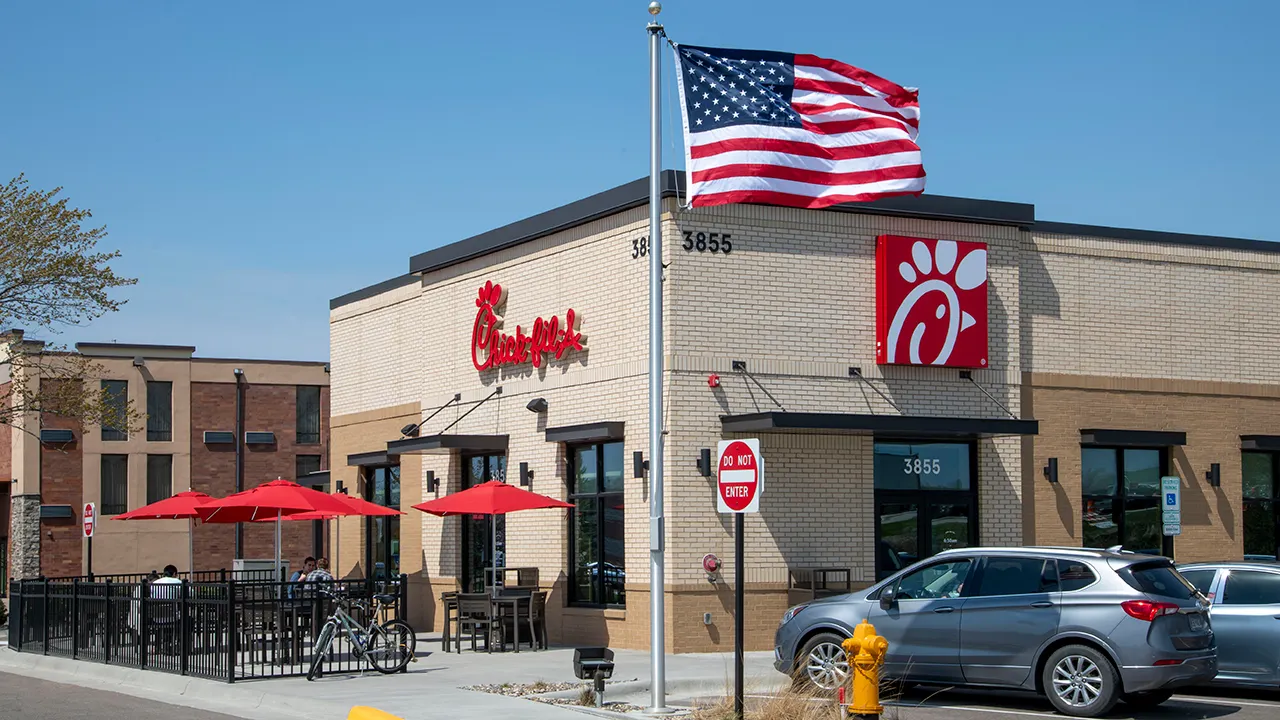
Atlanta-based Quick Service Restaurant (QSR) giant Chick-fil-A, a privately held company renowned for its exceptional customer service and fervent brand loyalty, disclosed on Wednesday that a recent security incident may have compromised personal information linked to a limited number of its highly valued customer loyalty accounts. This revelation sends a ripple through the QSR market, highlighting the growing cybersecurity vulnerabilities inherent in digitally-driven customer engagement strategies that are now central to competitive advantage.
The fast-food chain, known for its strategic expansion including innovative ‘ghost kitchen’ models and a focus on higher-quality ingredients, swiftly moved to secure affected accounts and began notifying customers. “We recently identified a security incident that may have affected a limited number of Chick-fil-A One Loyalty accounts,” a company spokesperson confirmed to FOX Business. “Upon discovering the issue, we took steps to immediately address, secure and restore accounts, and we are communicating directly with all customers who may have been impacted.” The incident casts a spotlight on the delicate balance between fostering deep customer relationships through loyalty programs and safeguarding sensitive personal data in an increasingly hostile digital landscape.
“We sincerely apologize for any inconvenience or concern,” the spokesperson added, emphasizing the company’s “commitment” to maintaining customers’ trust. For a brand that consistently ranks high in customer satisfaction, any perceived breach of trust carries significant weight, potentially affecting everything from app usage rates to long-term valuation prospects, should the company ever consider public markets.
Chick-fil-A said a recent security incident may have exposed personal information linked to a limited number of customer loyalty accounts.(Michael Siluk/UCG/Universal Images Group via Getty Images)
The company’s notification to potentially affected customers on Monday followed the discovery of suspicious login activity involving certain Chick-fil-A One accounts, as reported by USA TODAY. The incident reportedly spanned between June 17 and June 19, during which “unauthorized parties” targeted the company’s website and mobile app. Crucially, the attackers are believed to have utilized account credentials obtained from a “third-party source,” suggesting a credential stuffing attack rather than a direct breach of Chick-fil-A’s core systems, though the distinction offers little comfort to affected customers or the broader market watching these events unfold.
This method of attack, leveraging previously compromised data from other platforms, underscores a pervasive vulnerability across industries: consumers often reuse passwords. While this may mitigate some culpability from Chick-fil-A’s internal security architecture, it nevertheless places the onus on companies to implement multi-factor authentication and robust monitoring systems to detect and prevent such unauthorized access. For QSRs, where convenience is paramount, balancing security with user experience remains a significant operational challenge.
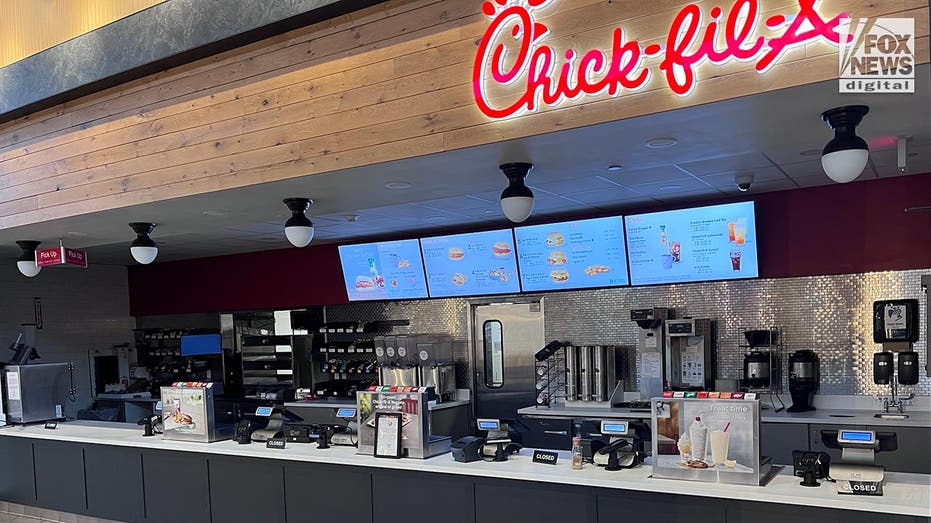
The incident reportedly affected customers in Iowa, Maryland, Massachusetts, New Mexico, New York, North Carolina, Oregon, Rhode Island, Vermont and Washington, D.C.(Fox News Digital)
The geographical scope of the incident, affecting customers in states including Iowa, Maryland, Massachusetts, New Mexico, New York, North Carolina, Oregon, Rhode Island, Vermont, and Washington, D.C., signifies a widespread potential impact across key U.S. markets. Such a broad reach amplifies the complexity of notification and remediation efforts, adding significant operational costs and potential legal exposure. It also serves as a stark reminder to QSRs that their digital footprint, while enabling rapid growth and customer engagement, also expands their attack surface.
The compromised data is particularly concerning, extending beyond mere contact information. It included customers’ names, email addresses, Chick-fil-A One membership and mobile payment numbers, the last four digits of payment cards, and the amount of Chick-fil-A credit stored in their accounts. While full payment card numbers were not exposed, the combination of personal identifiers with partial payment information and loyalty credit creates a high-risk scenario for phishing attempts, identity theft, and fraudulent transactions. The integrity of mobile payment systems, increasingly vital for QSR efficiency and customer convenience, is directly questioned by such incidents.
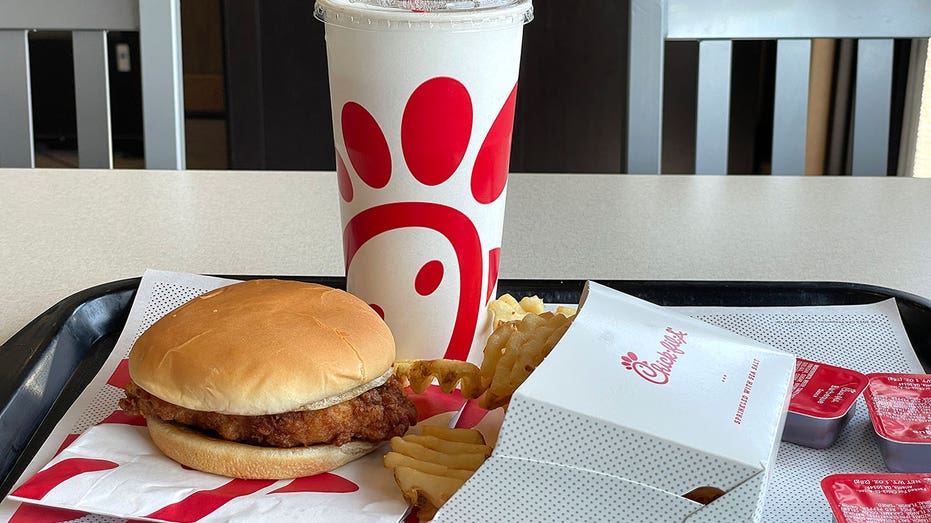
“Unauthorized parties” reportedly targeted the company’s website and mobile app between June 17 and June 19. (Justin Sullivan/Getty Images)
In response, Chick-fil-A stated it has reset passwords for all affected accounts, restored any impacted loyalty balances, and added rewards to customers’ accounts as a gesture of goodwill and compensation, USA TODAY reported. While these immediate steps are crucial for damage control and customer retention, the long-term cost of such gestures, coupled with the intangible damage to brand equity, can be substantial. For a brand that prides itself on premium experience, the financial impact extends far beyond the direct cost of remediation to potential lost future revenue from diminished trust.
The incident also provides a critical lesson for the broader QSR industry, which is heavily investing in digital transformation, mobile apps, and loyalty programs to drive sales and personalize customer experiences. Competitors such as McDonald’s, Starbucks, and others with vast digital ecosystems will undoubtedly be scrutinizing their own cybersecurity postures. The ongoing race for digital dominance in fast food now inextricably links technological innovation with an unyielding commitment to data privacy and security.
GET FOX BUSINESS ON THE GO BY CLICKING HERE
Market Impact
While Chick-fil-A is a private entity and thus insulated from direct stock market fluctuations, this security incident carries significant implications for its brand equity and the broader QSR sector. For Chick-fil-A, the immediate market impact revolves around potential erosion of its vaunted customer loyalty and trust, which directly underpins its premium valuation and future growth prospects, including any potential IPO considerations. The cost of incident response, customer remediation, and potential legal challenges will be substantial, impacting profitability. More broadly, the incident will likely accelerate cybersecurity investments across the QSR industry, as companies face increased regulatory scrutiny and pressure to protect sensitive consumer data within their loyalty programs and mobile platforms. Investors will demand greater transparency on cybersecurity resilience from publicly traded QSRs, potentially influencing valuations and M&A activity in a sector increasingly reliant on digital engagement for competitive advantage. The incident serves as a potent reminder that digital transformation, while offering immense opportunities, also introduces profound risks that can materially impact market perception and financial performance.