
Unlock the Editor’s Digest for free
Roula Khalaf, Editor of the FT, selects her favourite stories in this weekly newsletter.
Key Takeaways
- Escalating Economic Strain:The unprecedented scale of wildfires in Southern Europe threatens significant near-term financial disruption to regional economies, particularly impacting critical sectors like tourism, agriculture (e.g., Bordeaux wine), and local commerce, exacerbated by mass evacuations and infrastructure damage.
- Insurance Sector Under Pressure:Insurers and reinsurers face mounting claims and increased exposure to climate-related catastrophic events, likely leading to higher premiums, a recalibration of climate risk models, and a re-evaluation of coverage in high-risk zones, impacting both corporate and individual policyholders.
- Fiscal Burden and Climate Adaptation:European governments are grappling with escalating fiscal pressures from emergency response, disaster relief, and the long-term imperative for climate adaptation and resilient infrastructure investment, signaling a persistent drag on public finances and a potential shift in capital allocation towards green initiatives.
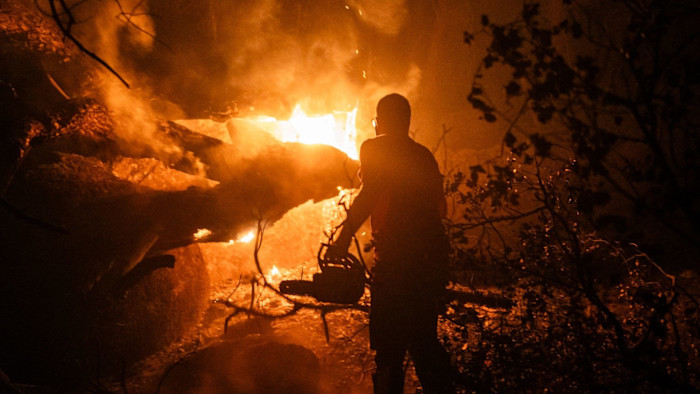
Beyond the immediate human toll and environmental devastation, the escalating wildfires across France and Spain are triggering profound economic reverberations, underscoring the growing financial risks posed by climate change. As blazes of unprecedented intensity stretch firefighting capacities and force the evacuation of hundreds of thousands, the financial fallout is set to ripple across critical European sectors, from insurance and agriculture to tourism and public finance.
The scale of the crisis is stark. France’s interior minister, Laurent Nunez, described the fires in the Gironde region as “extremely violent, unpredictable,” erratic even towards the venerable city of Bordeaux. Similarly, Spain’s Prime Minister Pedro Sánchez noted a “very positive” overnight fight near Madrid, yet authorities remain on high alert for new outbreaks, such as in Castellón province. The sheer acreage scorched this year is staggering: Spain’s total jumped from 130,000 to 150,000 hectares in just 24 hours – roughly six times the total for the same period in 2025 – while France has lost nearly 98,000 hectares, an area more than nine times the size of Paris. This relentless onslaught, fueled by bone-dry terrain and successive heatwaves, is not merely an environmental emergency but a rapidly unfolding economic challenge.
Insurance and Reinsurance: A Mounting Claims Crisis
The financial services sector, particularly insurance and reinsurance, is on the front lines of this crisis. Property damage, business interruption, and liability claims are expected to surge, placing significant pressure on insurers’ profitability and reserves. The two French firefighters who tragically lost their lives last week, alongside extensive property destruction in both countries, will translate into substantial payouts. The ongoing evacuations of around 335,000 people also hint at the sheer volume of potential claims relating to temporary accommodation and lost income.
For global reinsurers, these events contribute to an increasingly volatile catastrophe bond market and could drive up the cost of capital for primary insurers. Pricing models for fire risk, which have historically relied on historical data, are being forced to adapt to a new reality of more frequent and intense events. This recalibration will likely lead to higher premiums for homeowners and businesses in vulnerable regions, potentially impacting property values and making insurance less accessible or affordable in the most exposed areas. Investors in insurance stocks will be closely watching quarterly earnings for guidance on claims provisions and future underwriting strategies.
Agriculture and Supply Chains: Bordeaux’s Vintage at Risk
The economic impact on agriculture is particularly acute. The Gironde region, heart of the world-renowned Bordeaux wine industry, faces an existential threat. While direct vineyard damage might be contained, the pervasive smoke and heat stress can affect grape quality and yields for years to come. Oyster farmers in Arcachon Bay, choosing to stay and protect their livelihoods, illustrate the deep connection between local economies and environmental stability. Beyond immediate crop losses, these fires contribute to soil degradation, increased erosion, and long-term water scarcity, all of which have profound implications for agricultural output and food security across Southern Europe.
Supply chains are also feeling the strain. Road closures, such as those impacting routes around Bordeaux airport (even if the airport remains operational), disrupt logistics and freight movement. This can lead to increased transportation costs, delays in delivery, and potential shortages of goods, contributing to inflationary pressures already prevalent across the eurozone. The final stage of the Tour de France being shortened due to resource redeployment for firefighting further highlights the wide-ranging societal and economic disruptions.
Tourism and Local Economies: A Summer of Lost Revenue
For Spain and France, summer is peak tourism season, a critical driver of GDP and employment. The desertion of usually bustling seaside resorts around the Bay of Arcachon and in popular Spanish holiday regions like Valencia is a direct hit to the hospitality sector. Hotels around Bordeaux airport being evacuated and closed, along with thousands of people moved to emergency shelters, signifies a massive loss of revenue for businesses ranging from hotels and restaurants to local shops and tour operators. The long-term reputational damage to these picturesque regions as safe and reliable holiday destinations could extend the economic pain beyond the immediate summer season, impacting future bookings and investment in tourism infrastructure.
Government Spending and Fiscal Headwinds
The deployment of national militaries and appeals for foreign aid from Switzerland, Italy, Greece, Portugal, and Turkey underscore the immense strain on public resources. Emergency services, equipment procurement, and disaster relief efforts require substantial unbudgeted government spending. This adds to already stretched national budgets, particularly in the wake of post-pandemic recovery efforts and ongoing inflationary pressures. For governments, these escalating costs translate into increased fiscal deficits or difficult decisions regarding reallocating funds from other public services. The long-term costs of rebuilding infrastructure, supporting affected communities, and investing in climate resilience will become a persistent drag on public finances, potentially influencing sovereign bond yields and credit ratings.
Market Impact
The persistent and intensifying nature of these climate-driven disasters is fundamentally altering how markets price risk. Investors are increasingly scrutinizing companies’ and governments’ exposure to climate change, demanding greater transparency on climate resilience strategies and ESG (Environmental, Social, and Governance) factors. Sectors directly exposed, such as insurance, tourism, and agriculture, are facing a re-evaluation of their risk profiles, which could impact their cost of capital and future growth prospects. Furthermore, the escalating fiscal burden on European nations for disaster response and adaptation signals a long-term shift in public spending priorities, potentially diverting capital from other infrastructure projects or social programs towards climate resilience. This trend will likely accelerate investment in green technologies, sustainable infrastructure, and climate mitigation solutions, creating both challenges for traditional industries and opportunities for innovation in the emerging green economy. The market’s response is a clear signal that climate risk is no longer a distant threat but a present and material financial reality, demanding immediate and strategic adaptation from businesses, investors, and policymakers alike.