

Rep. Brandon Gill, R-Texas, discusses the House urging the Senate to act on a reconciliation bill and criticism of the American Bar Association over the organization’s influence over law school accreditation on ‘Sunday Night in America.’
Key Takeaways
- Intensified Regulatory Scrutiny on DEI:The $21.5 million settlement by Deloitte underscores a significantly heightened regulatory and legal focus on corporate Diversity, Equity, and Inclusion (DEI) programs, particularly for federal contractors. Companies face substantial financial penalties and reputational damage if their DEI practices are found to violate anti-discrimination laws.
- Rising Litigation Risk and Whistleblower Incentives:This case highlights the potent combination of government enforcement and private whistleblower actions (qui tam provisions) challenging DEI initiatives. The substantial award to the relator signals an increasing incentive for individuals and groups to scrutinize corporate diversity policies, elevating litigation risk for companies across all sectors.
- Strategic Re-evaluation of Corporate DEI:Businesses, especially those with federal contracts or a strong public brand, are compelled to critically reassess their DEI frameworks. This includes a careful legal review of promotion criteria, hiring goals, and talent management strategies to balance diversity objectives with strict anti-discrimination compliance, potentially leading to widespread adjustments in corporate practices.
WASHINGTON D.C. –In a move sending ripples through corporate boardrooms and compliance departments, accounting giant Deloitte has agreed to pay a substantial $21.5 million to settle Department of Justice (DOJ) allegations. The settlement resolves claims that the professional services firm violated the False Claims Act by failing to adhere to anti-discrimination requirements embedded in its federal contracts, specifically by allegedly discriminating on the basis of race or sex in its talent management and promotion processes. This action marks a significant escalation in the government’s scrutiny of corporate Diversity, Equity, and Inclusion (DEI) practices, signaling potential widespread implications for federal contractors and beyond.
The core of the DOJ’s allegations centered on Deloitte’s internal mechanisms for achieving what it termed “demographic goals.” According to the DOJ, various business units within Deloitte received monthly summaries tracking these demographic targets, implying a structured approach to workforce composition. More critically, the department alleged that Deloitte’s partners, principals, and managing directors were evaluated, in part, based on their contributions to meeting these specific workforce diversity objectives. These DEI goals, as detailed by the DOJ, aimed to boost the representation of Black and Hispanic communities in promotion decisions, raising questions about whether such targets inadvertently led to preferential treatment or discrimination against other groups.
TARGET PULLS ‘OFFENSIVE’ HALLOWEEN COSTUME CRITICS ACCUSED OF EVOKING BLACKFACE: ‘WE ARE DEEPLY SORRY’
Deloitte agreed to pay $21.5 million to settle a Department of Justice probe into the company’s diversity, equity and inclusion practices.(Jack Taylor/Getty Images / Getty Images)
“Government contractors cannot reward or penalize employees based on race or sex — and labeling the practice DEI does not make it lawful,” Attorney General Todd Blanche asserted in a stern statement. His comments underscore a clear regulatory stance: the intent behind DEI programs, however well-meaning, does not immunize them from legal challenge if their execution is perceived to result in discriminatory outcomes. Blanche further emphasized the DOJ’s commitment, stating, “The Justice Department will aggressively pursue government contractors that have used taxpayer dollars to fund unlawful discrimination.” This declaration serves as a potent warning to the multitude of companies that rely on federal contracts, urging a rigorous re-evaluation of their existing DEI frameworks.
While Deloitte explicitly denies allegations of discriminatory conduct and maintains that the settlement agreement does not constitute an admission of liability, the company’s decision to settle for $21.5 million reflects a pragmatic assessment of legal and reputational risk. The firm stated its pleasure to resolve the matter to “avoid the cost and distraction of protracted litigation.” For a global professional services firm like Deloitte, whose brand equity is intrinsically tied to trust, integrity, and regulatory compliance, prolonged public litigation over discrimination allegations could have far-reaching impacts on client relationships, talent acquisition, and overall market perception. The DOJ, for its part, clarified that the claims resolved are allegations only and that there has been no formal determination of liability, a common caveat in such settlements.
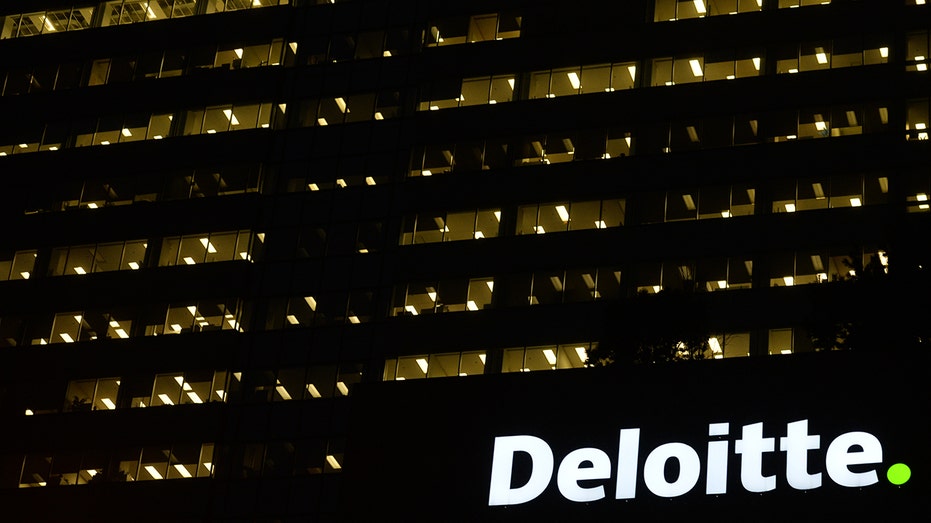
Deloitte denies allegations of discriminatory conduct and said the settlement agreement does not represent an admission of liability.(Photo by Artur Widak/NurPhoto via Getty Image / Getty Images)
A crucial aspect of this settlement is its origin in the False Claims Act’s qui tam provisions. These provisions empower private parties, known as relators, to bring lawsuits on behalf of the government, often leading to a share of any recovery. In this instance, the claims were brought by the American Alliance for Equal Rights, a group founded by prominent conservative activist and affirmative action opponent Edward Blum. Blum’s group, which has been instrumental in numerous high-profile challenges to race-conscious policies, will receive a substantial $4.3 million as part of Tuesday’s agreement. This financial incentive for whistleblowers significantly amplifies the legal risk for companies, as it encourages external groups to actively monitor and challenge perceived discriminatory practices within corporate DEI programs. Associate Attorney General Stanley E. Woodward Jr. echoed the sentiment, stating, “Merit drives opportunity and promotion. Not someone’s sex or race,” and characterized the settlement as “yet another example of this Department’s commitment to eliminating woke, unconstitutional practices from American workplaces.”
WHITE HOUSE STUDY SAYS DEI POLICIES COST US ECONOMY BY PROMOTING UNQUALIFIED MANAGERS

Attorney General Todd Blanche said “labeling the practice DEI does not make it lawful.”(Alex Wroblewski / AFP via Getty Images / Getty Images)
This settlement arrives amidst a broader and intensified campaign by the Trump administration to roll back and re-evaluate DEI initiatives across federal agencies, universities, and government contractors. Since the president’s return to the White House, there has been a concerted effort, often through executive orders, to root out DEI practices deemed to violate federal anti-discrimination laws. These orders have specifically directed federal contractors and subcontractors to certify their compliance with anti-discrimination statutes regarding DEI programs. The administration’s argument centers on the belief that some race and sex-conscious DEI programs, while aiming for diversity, can inadvertently lead to reverse discrimination and undermine merit-based decision-making. This ideological and policy shift has already prompted many U.S. companies to scale back or amend their diversity policies, reflecting a cautious response to the evolving legal and regulatory landscape.
CLICK HERE TO GET FOX BUSINESS ON THE GO
Market Impact
The Deloitte settlement sends an unequivocal signal to the market, particularly to companies that engage in federal contracting or have robust public-facing DEI commitments. Firstly, it underscores the escalating regulatory and litigation risk associated with poorly constructed or executed DEI programs. Companies must now conduct thorough legal audits of their diversity initiatives, paying close attention to the distinction between aspirational goals and potentially unlawful quotas or preferential treatment in hiring, promotion, and compensation. The $21.5 million penalty, while manageable for a firm of Deloitte’s size, represents a significant cost of non-compliance that could be crippling for smaller entities. Secondly, the success of the qui tam lawsuit, incentivizing private plaintiffs with a multi-million dollar reward, suggests an increased likelihood of future challenges. This shifts the burden of proof and compliance scrutiny not just to government agencies but also to private watchdogs, creating a more complex risk environment. Thirdly, for investors, this case adds a new layer to Environmental, Social, and Governance (ESG) considerations. While diversity is a key component of the “Social” pillar, the legality and compliance of DEI programs will become a critical factor in risk assessment. Companies that fail to navigate this complex terrain successfully could face not only financial penalties and legal costs but also significant reputational damage, impacting their ability to attract top talent, secure new contracts, and maintain investor confidence. Professional services firms, tech companies, and any organization with substantial government contracts will likely be at the forefront of re-evaluating their DEI strategies to mitigate these emerging legal and market risks, potentially leading to a broader industry recalibration of what constitutes compliant and effective diversity efforts.