
‘Barron’s Roundtable’ panelists discuss investment opportunities among airline stocks.
Key Takeaways for Investors:
- Operational Cost Impact:Flight diversions, even for security concerns that prove unfounded, incur significant unbudgeted expenses, directly impacting airline profitability and quarterly earnings outlooks.
- Reputational Risk & Consumer Confidence:Repeated security incidents or operational disruptions can erode passenger trust, potentially leading to reduced future bookings and a downturn in brand value, vital in the highly competitive airline sector.
- Regulatory Scrutiny & Tech Investment:Such events highlight the persistent challenges in aviation security, potentially inviting increased regulatory oversight and pressuring airlines to invest further in advanced threat detection and passenger management technologies.
NEWARK, NJ –United Airlines (NASDAQ: UAL) found itself under the market microscope this weekend after a flight bound for Spain was forced to return to Newark Liberty International Airport, underscoring the delicate balance between operational efficiency, passenger security, and the persistent financial pressures facing the global aviation industry. The incident, triggered by a potential security concern over the Atlantic Ocean, injects an element of operational uncertainty into a sector already grappling with fluctuating fuel costs, labor dynamics, and a strong rebound in travel demand.
United Flight 236, a Boeing 767 carrying 190 passengers and 12 crew members, departed Newark en route to Palma de Mallorca, Spain, but reversed course approximately 90 minutes into its journey. The aircraft safely landed back in New Jersey later that evening. While the immediate danger was averted, the financial and reputational ripple effects for United Airlines, a key player in the U.S. and international travel markets, are a topic of immediate interest for investors and industry analysts.
A spokesperson for United Airlines confirmed the safe return, stating, “United flight 236 from Newark to Palma De Mallorca, Spain safely returned to Newark to address a potential security concern. The flight continued to Palma De Mallorca with a new crew.” This statement, while reassuring passengers, implicitly acknowledges the immediate costs: a fresh crew, a replacement flight, and the logistical nightmare of re-accommodating nearly 200 travelers.
UNITED FLIGHT CARRYING 221 PASSENGERS HITS POLE AND TRUCK ON APPROACH TO NEWARK –Adding to recent operational scrutiny, this incident further highlights potential challenges in United’s ground and air operations.
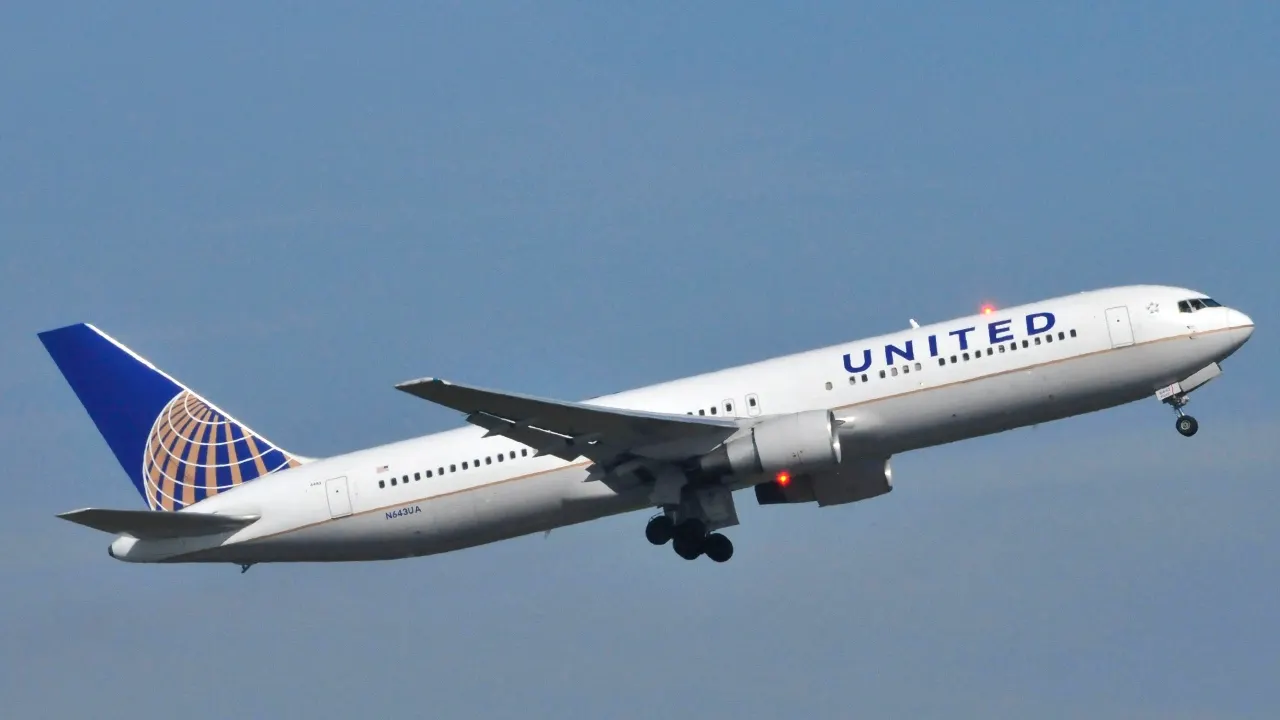
A United Airlines Boeing 767 takes off. A United flight from Newark to Palma de Mallorca, Spain, returned to New Jersey after a potential security concern prompted the aircraft to turn around over the Atlantic Ocean.(Andia/Universal Images Group via Getty Images / Getty Images)
The catalyst for the mid-air reversal, as reported byAirLive.net, stemmed from a highly unusual source: a Bluetooth device with the discoverable name “bomb.” Flight attendants reportedly issued increasingly urgent warnings, instructing passengers to disable Bluetooth connections and communicating that the flight could not proceed without resolving the issue. The escalating tension onboard and the crew’s eventual decision to return rather than risk crossing the Atlantic with an unresolved threat underscores the immense pressure airlines face to prioritize safety, even at significant operational expense.
For investors, such incidents translate directly into unbudgeted costs. A transatlantic diversion involves substantial fuel burn for the return journey, overtime pay for the diverted crew, expenses for a new crew, potential compensation or hotel stays for delayed passengers, and the cost of the replacement flight. Furthermore, the aircraft itself undergoes thorough security inspections and potential maintenance checks, leading to downtime that impacts fleet utilization – a key metric for airline efficiency and profitability. While specific figures for this incident are not yet public, industry estimates for a typical international diversion can range from tens of thousands to well over a hundred thousand dollars, depending on the circumstances and duration of the delay.
UNITED PILOT REPORTS MIDAIR DRONE SCARE NEAR AIRPORT DURING LANDING APPROACH –Incidents like these add layers of complexity and cost to airline operations, from increased vigilance to potential technology upgrades.
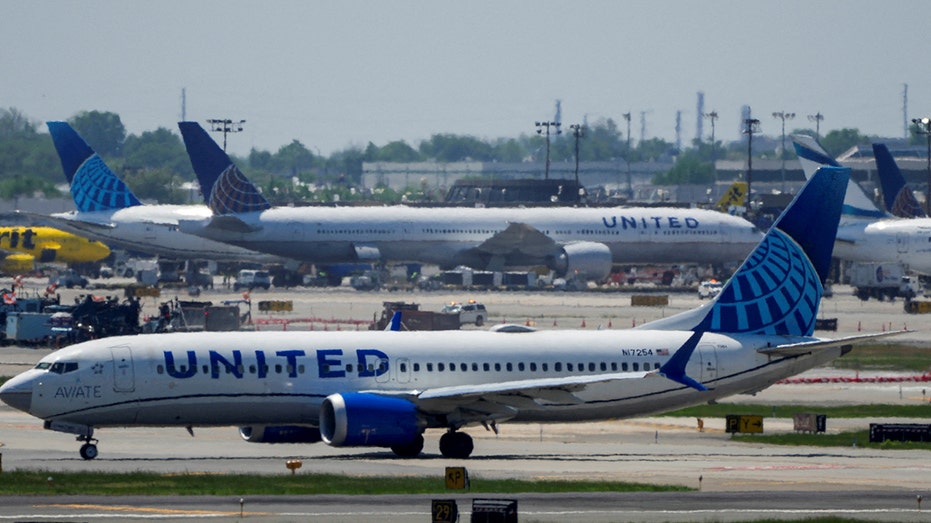
A United Airlines flight from Newark to Spain turned around over the Atlantic and returned safely to New Jersey after a potential security concern emerged onboard. Reports indicate the issue stemmed from a Bluetooth device whose visible name included(REUTERS/Eduardo Munoz/File Photo / Reuters Photos)
This event also casts a spotlight on brand reputation and consumer confidence. In a competitive market where airlines vie for passenger loyalty, any incident that raises questions about security or operational reliability can have long-term booking implications. United, like many carriers, has invested heavily in digital solutions and loyalty programs to retain customers. However, negative publicity, even from a false alarm, can be detrimental. The industry is still navigating a robust recovery from the pandemic, with carriers like United experiencing strong demand. Maintaining this momentum requires impeccable operational performance and perceived security.
Air traffic control communications reviewed by AirLive.net confirmed the aircraft’s return to Newark after concerns over the Bluetooth device’s name. Law enforcement and security personnel met the plane upon landing, conducting a thorough security inspection. Passengers were rescreened, and both the aircraft and checked luggage underwent additional scrutiny. While no actual threat was identified, the protocol followed highlights the rigorous security measures in place and the airline’s commitment to compliance, albeit at a cost.
UNITED AIRLINES RAISING TICKET PRICES UP TO 20% AS FUEL COSTS SURGE AMID IRAN WAR –While ticket prices are up, unbudgeted operational costs from diversions can quickly erode the benefits of increased revenue.
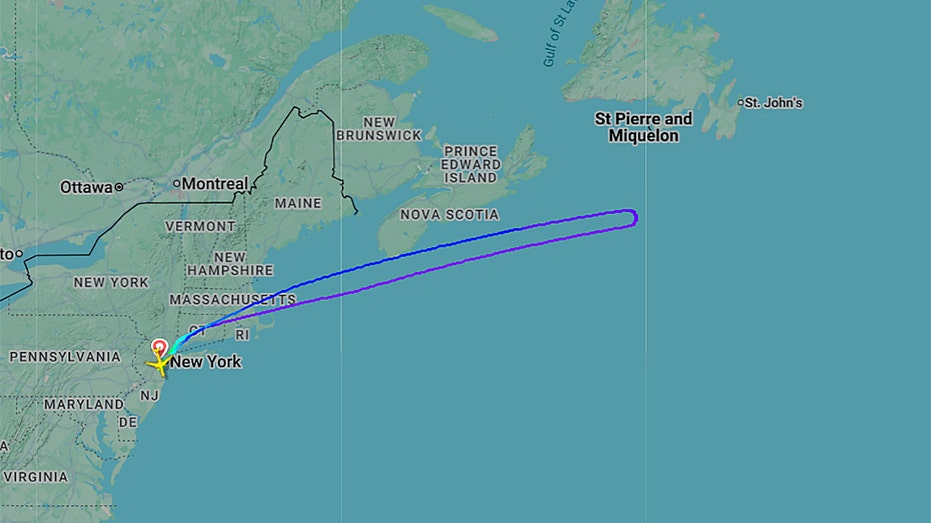
Flight-tracking data shows the route of United Airlines Flight 236, which turned around over the Atlantic Ocean and returned to Newark Liberty International Airport while en route to Palma de Mallorca, Spain, on May 30, 2026.(Credit: FlightRadar24.com / Fox News)
United has not publicly identified the passenger connected to the device, nor has it announced whether any charges or penalties are being considered. This decision reflects a delicate balance between public transparency and legal processes, but the underlying operational costs and potential for regulatory attention remain.
The Port Authority of New York and New Jersey, responsible for airport operations, has been contacted for further information, as the incident falls under their purview for security response and coordination.
CLICK HERE TO GET FOX BUSINESS ON THE GO
Market Impact:
For United Airlines (UAL) stock, this incident, while likely seen as a one-off in terms of direct financial impact relative to quarterly earnings, contributes to a broader narrative around operational reliability. Investors will be weighing the immediate costs of the diversion against the airline’s strong demand outlook and efforts to manage rising fuel prices and labor challenges. Continued reports of operational hiccups, whether due to security scares, technical issues, or ground incidents, can erode investor confidence and potentially lead to short-term stock volatility. In the long run, consistent and proactive communication regarding security protocols and operational resilience will be crucial for United to maintain its market position and investor appeal, particularly as the airline sector remains sensitive to unforeseen events that can impact both the bottom line and public perception.