
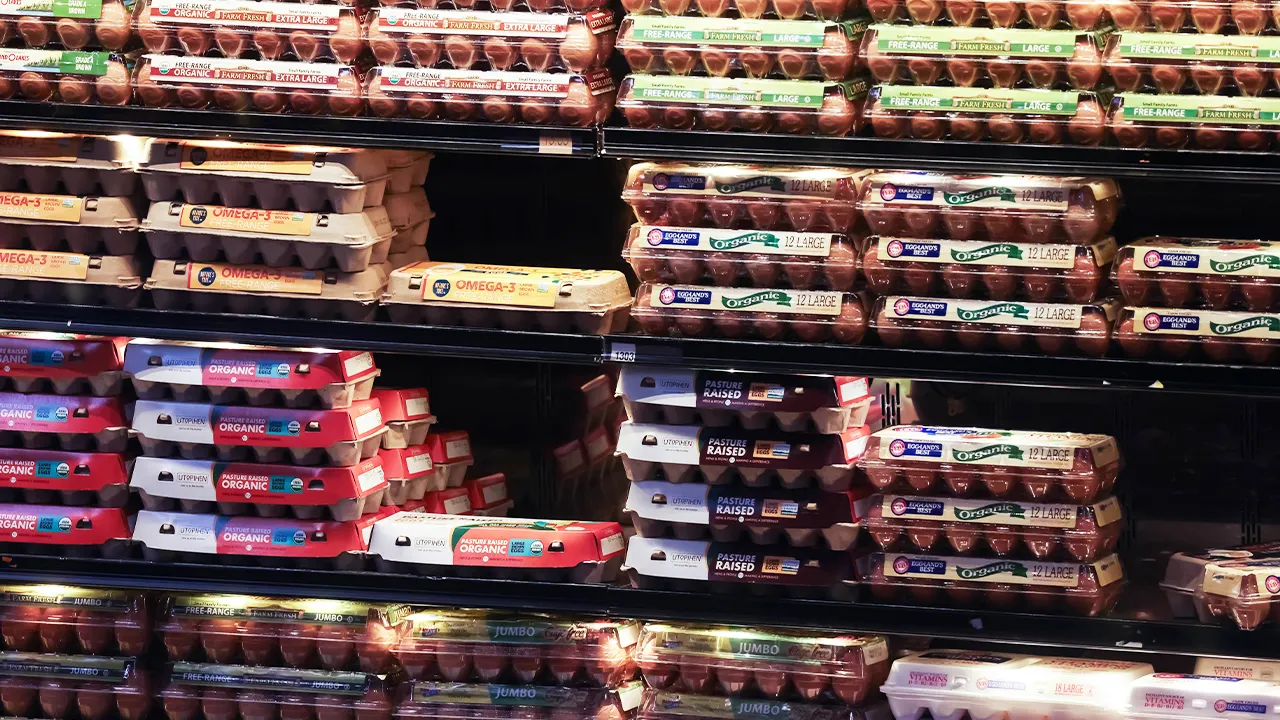
FOX Business’ Madison Alworth discusses the Trump administration’s plan to lower egg prices.
Key Takeaways:
Supply Chain Disruption & Retailer Costs: The recall of over 1.5 million dozen eggs by Midwest Poultry Services creates immediate logistical and financial burdens for major retailers like Kroger and Brookshire’s, impacting regional egg supply and demanding swift operational adjustments.
Producer’s Financial & Reputational Hit: Despite proactive measures like diverting eggs for pasteurization, Midwest Poultry Services faces significant costs associated with the recall (refunds, disposal, investigation) and potential long-term damage to its brand equity and market standing.
Elevated Food Safety Scrutiny: This incident, occurring amidst other recent food recalls, intensifies consumer vigilance and regulatory oversight across the broader food sector, potentially leading to increased compliance costs and a push for greater supply chain transparency for all industry players.
A significant voluntary recall of over 1.5 million dozen shell eggs, initiated by Midwest Poultry Services due to potential Salmonella contamination, has sent ripples through the regional food supply chain, underscoring the delicate balance between production efficiency and consumer safety. Announced by the U.S. Food and Drug Administration (FDA) on Wednesday, this incident is more than just a public health alert; it represents a tangible financial hit for the producer, logistical challenges for major retailers, and a potential blip in consumer confidence within the affected markets of Texas, Oklahoma, Arkansas, Louisiana, New Mexico, and Mississippi.
The scale of the recall, encompassing 1,589,577 dozen cartons of both white shell eggs and brown cage-free shell eggs, is substantial. Products distributed under prominent brands such as Kroger, Brookshire’s, Country Morning, Simple Truth, and Sunups, alongside various bulk Grade A and Grade AA eggs, mean that widely recognized retail players are directly implicated. For retailers like Kroger, a publicly traded grocery giant, even as a distributor, their brand association with recalled products can subtly erode consumer trust and necessitate costly operational responses.
The financial implications for Midwest Poultry Services are immediate and multi-faceted. A “voluntary recall” indicates the company is taking proactive steps, which can mitigate future legal liabilities and regulatory penalties. However, it triggers a cascade of expenses: the cost of retrieving the affected product from retail shelves, transportation logistics, safe disposal of contaminated goods, processing customer refunds, and funding a robust internal investigation. “When we learned of a possible issue with egg safety, we began diverting eggs to a breaking plant where they would be pasteurized to kill any foodborne pathogens,” Midwest Poultry Services stated, highlighting a critical risk mitigation strategy aimed at preventing further distribution of potentially unsafe products and demonstrating commitment to food safety. This proactive measure, while essential, adds to the operational overhead.
Country Morning Grade A Large 12-count eggs (top) and Brookshire’s Jumbo White Eggs 12-count (bottom) are among the recalled retail egg cartons. (U.S. Food and Drug Administration / Fox News)
For the affected retailers, particularly large chains like Kroger, the recall presents a logistical nightmare and a challenge to maintain shelf availability. Empty egg shelves, even temporarily, can inconvenience customers and lead to lost sales, especially in an environment where consumers are already sensitive to food prices and availability. Managing customer queries, processing refunds, and ensuring that contaminated products are pulled effectively from all distribution points add layers of complexity and cost. While these retailers are not the producers of the contamination, their brand names on the packaging create an immediate connection in the consumer’s mind, demanding careful public relations and diligent handling of the recall process to preserve their reputational equity.
Beyond the immediate corporate balance sheets, this recall has broader implications for the U.S. egg market, particularly in the affected Southern states. A sudden withdrawal of 1.5 million dozen eggs represents a notable reduction in regional supply. While it may not significantly sway national egg futures, it could lead to localized price firming or temporary supply deficits as retailers scramble to source alternative, uncontaminated supplies. The incident underscores the fragility of food supply chains, which are constantly battling against biological threats, weather events, and logistical hurdles. In a period marked by general inflation, particularly in food prices, any supply shock, however localized, adds further pressure to consumer budgets.
The broader context of food safety recalls cannot be ignored. This egg recall follows other recent high-profile incidents, such as the recall of fruit purée pouches over lead contamination (which included brands distributed by Target, Kroger, and Meijer, as referenced in a related recall notice), and allergy medication mix-ups. This succession of events chips away at overall consumer confidence in the safety and integrity of the food supply chain. While no illnesses have been reported in connection with these specific eggs, the specter of Salmonella Enteritidis – a pathogen capable of causing serious, even fatal, infections in vulnerable populations – naturally heightens public anxiety. This heightened awareness inevitably leads to increased scrutiny from both consumers and regulatory bodies.
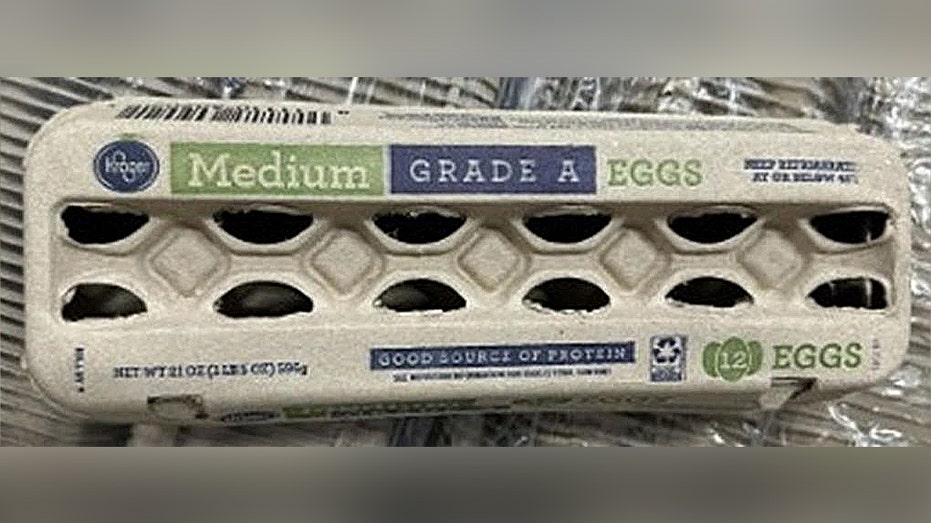
A 12-count carton of Kroger Grade A Medium eggs are subject to the Salmonella recall notice. (U.S. Food and Drug Administration / Fox News)
Regulatory bodies like the FDA, having identified the issue during routine environmental testing at two Texas farms, will likely intensify their oversight and inspection protocols across the poultry industry. This could translate into increased compliance costs for egg producers nationwide, as they may need to invest more in testing, sanitation, and supply chain transparency measures to meet potentially stricter standards or avoid future incidents. For investors, this signals a growing emphasis on environmental, social, and governance (ESG) factors, where robust food safety protocols are not just ethical requirements but critical components of long-term financial stability and risk management.
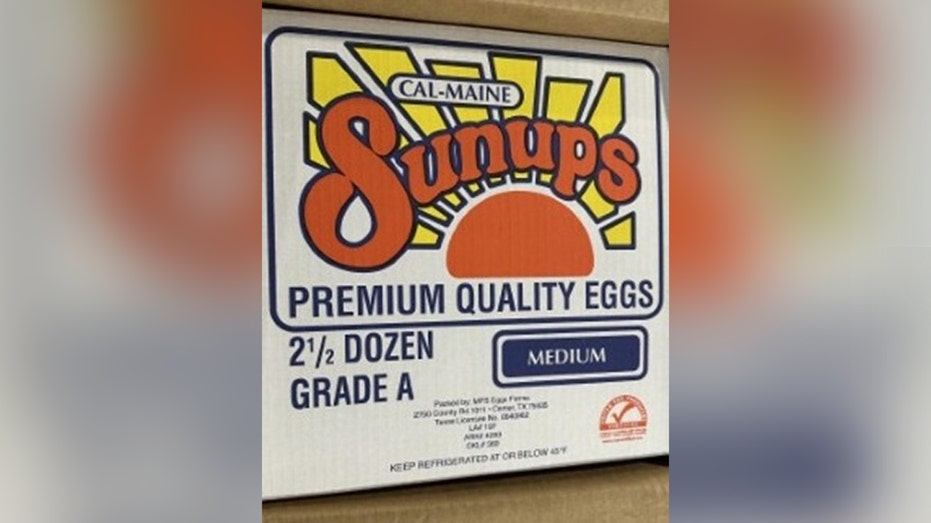
A 2.5-dozen box of Cal-Maine Sunups Grade A Medium eggs is included in the Midwest Poultry Services recall. (U.S. Food and Drug Administration / Fox News)
Market Impact:
The voluntary recall by Midwest Poultry Services will have a multi-tiered market impact. In the short term, the producer faces significant financial outlays for product retrieval, disposal, refunds, and internal investigations, coupled with immediate reputational damage that could affect future sales and contract negotiations. Retailers like Kroger will incur operational costs related to logistics, customer service, and potential lost sales, while simultaneously working to mitigate brand association risks. Regionally, the withdrawal of over 1.5 million dozen eggs could cause temporary supply tightness and localized price volatility in the six affected states. In the mid-term, the incident could lead to increased regulatory scrutiny and compliance costs across the broader poultry industry, potentially pushing up production expenses. Longer term, this event, alongside other recent food safety incidents, reinforces the importance for food companies to invest in robust supply chain integrity, advanced testing protocols, and transparency to maintain consumer trust and investor confidence, signaling a continued premium on strong ESG performance in the food sector.