
Key Takeaways:
- Brand Reputation Erosion:A major product recall, even without reported illnesses, can severely damage a specialty brand’s hard-won consumer trust and market position in a competitive industry.
- Significant Operational & Financial Burden:Recalls incur substantial costs for companies, including logistics, product disposal, investigative expenses, potential litigation, and lost revenue, impacting short-term profitability and long-term viability.
- Heightened Industry Scrutiny & Consumer Caution:This incident may prompt increased regulatory oversight and consumer caution across the rapidly growing cold brew and ready-to-drink (RTD) coffee segments, potentially slowing growth or increasing compliance costs industry-wide.
A Brewing Crisis: Brooklyn Roasting Co.’s Botulism Scare Signals Broader Market Risks for Specialty Coffee
A silent threat, one that underscores the precarious balance between product innovation and robust quality control, has emerged from the bustling New York specialty coffee scene. Brooklyn Roasting Company (BRC), a prominent player known for its distinctive cold brew offerings, has initiated a voluntary recall of its 2.5-gallon bags of pasteurized cold brew concentrate. The reason? A potential for the growth ofClostridium botulinumtoxin if stored at room temperature, raising serious questions about supply chain integrity and brand resilience within the competitive food and beverage sector.
The U.S. Food and Drug Administration (FDA) reported that BRC issued the recall this month, targeting products distributed between April 1 and June 20, with “best by” dates ranging from June 3 to September 30. While no illnesses have been reported to date, the shadow of botulism — a rare but potentially fatal condition attacking the body’s nerves — looms large over the company’s financial prospects and consumer confidence. Symptoms, which typically manifest 12 to 36 hours post-consumption, include blurred vision, difficulty swallowing, dry mouth, and even paralysis, underscoring the critical nature of this recall.
For a brand like Brooklyn Roasting Company, which sells its products across its own cafés, other coffee shops, gourmet grocery stores, independent markets, and online platforms in New York and New Jersey, the operational burden of retrieving thousands of 2.5-gallon concentrate bags is considerable. The financial implications extend far beyond the immediate logistical costs of reverse logistics and product destruction. These include potential legal liabilities, increased insurance premiums, the expense of enhanced quality control measures, and, most significantly, the erosion of brand equity built over years in a discerning market.

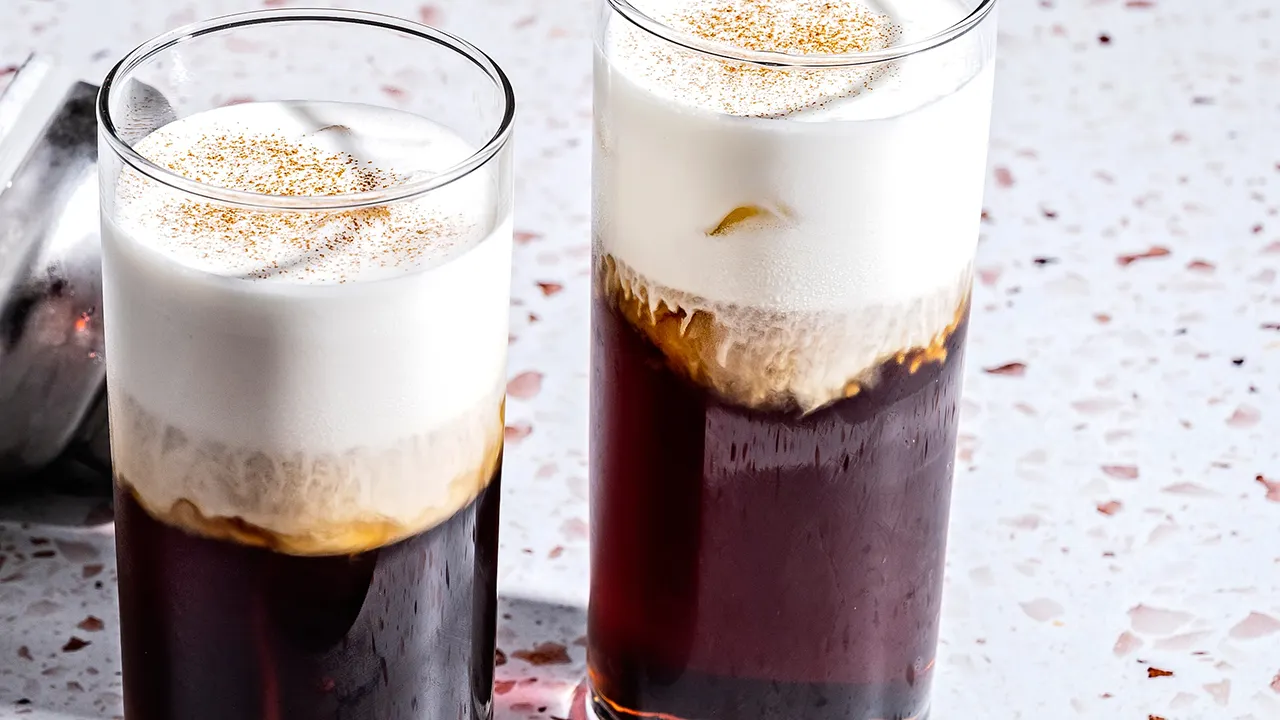
A New York-based coffee company is recalling some of its cold brew sold in New York and New Jersey because of a risk of botulism, according to the U.S. Food and Drug Administration.(Scott Suchman for The Washington Post via Getty Images; food styling by Lisa Cherkasky for The Washington Post via Getty Images / Getty Images)
The specialty coffee market, particularly the cold brew segment, has experienced explosive growth in recent years, attracting significant investment and innovation. Consumers, driven by convenience and a desire for premium experiences, have flocked to ready-to-drink and concentrate options. However, this incident serves as a stark reminder that rapid expansion must be matched by equally robust quality assurance protocols. The perceived “craft” nature of specialty brands often creates an implicit trust with consumers, which can be shattered by safety concerns. Rebuilding that trust requires not only transparency and swift corrective action but also substantial marketing and public relations investments, which can significantly depress profitability.
The affected products’ distribution channels highlight the pervasive reach of the recall. From independent gourmet stores, which pride themselves on curated selections, to larger grocery chains, the need to identify and remove all at-risk units is a complex and costly endeavor. The company’s initial lack of specificity regarding the affected cold brew’s distribution locations, coupled with its non-response to FOX Business’ request for comment, could further exacerbate the reputational damage. In an era of instant information dissemination, proactive communication and transparent accountability are paramount for mitigating financial and brand fallout.

A Brooklyn Roasting Company location on Flushing Avenue. (Google Maps / Google Maps)
Beyond BRC, this event holds broader implications for the food and beverage industry, particularly for smaller, privately held companies that may lack the extensive resources of larger conglomerates for managing such crises. Investors and venture capitalists eyeing the burgeoning RTD coffee and specialty food segments will undoubtedly scrutinize the due diligence process, emphasizing the criticality of supplier audits, manufacturing process controls, and robust contingency planning. The incident underscores that while product differentiation and market penetration are crucial, fundamental food safety remains the bedrock of sustainable business success.

The FDA said there have not been any reported illnesses related to the product.((Photo by Sarah Silbiger/Getty Images) / AP Newsroom)
The FDA’s involvement, even in the absence of reported illnesses, signals a serious regulatory posture. While the initial focus is on public health, the long-term financial consequences for BRC could include potential fines, increased compliance costs, and a more stringent regulatory microscope for future product launches. For consumers, the incident may instill a degree of caution, potentially shifting preferences towards brands perceived as having more rigorous safety standards, or even a temporary dip in the overall demand for cold brew concentrates, irrespective of the brand.
Market Impact:
The Brooklyn Roasting Company recall presents a multi-faceted challenge with significant market implications. For BRC itself, the immediate financial strain from operational recall costs, potential legal fees, and lost sales will likely impact its short-term profitability and cash flow. More critically, the lasting damage to its brand equity and consumer trust could lead to sustained market share erosion in the highly competitive New York and New Jersey cold brew landscape, potentially hindering future growth or acquisition opportunities. For the broader specialty coffee and ready-to-drink beverage market, this incident serves as a cautionary tale, likely leading to heightened investor scrutiny regarding food safety protocols and supply chain resilience across the sector. It may also prompt a temporary dip in consumer confidence for cold brew concentrates, and could accelerate regulatory interest in quality control standards for emerging beverage categories, ultimately increasing compliance costs for all players and potentially favoring larger firms with more robust infrastructure.