
Check out what’s clicking on FoxBusiness.com.
Key Takeaways:
- **Brand Equity Under Scrutiny:** The recall for rearview camera issues due to “insufficient drain holes” highlights persistent quality control challenges for Jaguar Land Rover, a premium brand whose reputation hinges on reliability and luxury, potentially impacting consumer trust and future sales.
- **Financial Burden & Operational Review:** While direct costs for this specific recall of 15,535 Land Rover Discovery models (2021-2025) may be manageable for parent company Tata Motors, the cumulative effect of quality-related issues necessitates a deeper review of design, manufacturing, and supply chain processes to mitigate long-term financial and reputational damage.
- **Elevated Regulatory Landscape:** This incident underscores the intensified scrutiny from bodies like the NHTSA on modern vehicle safety, particularly concerning increasingly complex electronic systems and Advanced Driver-Assistance Systems (ADAS), creating an environment where proactive quality assurance is critical to avoid costly recalls and potential fines across the automotive industry.
Jaguar Land Rover’s Latest Recall: A Look at the Market Implications of Quality Control in the Luxury Segment
In a move that sends ripples through the premium automotive sector, Jaguar Land Rover (JLR) has announced a recall of more than 15,000 vehicles, specifically addressing a critical issue with the rearview camera system. This recall, impacting 15,535 units of its 2021-2025 Land Rover Discovery models, stems from a seemingly minor design flaw—”insufficient drain holes”—that could lead to water damage and impair the camera’s functionality. For a brand synonymous with rugged luxury and advanced engineering, this incident not only presents an operational challenge but also carries significant implications for its market standing, brand equity, and the financial performance of its parent company, Tata Motors.
According to the National Highway Traffic Safety Administration (NHTSA) recall notice, the design defect prevents water from draining properly, leaving the rearview camera vulnerable to damage. A compromised camera could fail to display an image, or offer an unclear one, directly limiting a driver’s rear visibility while reversing and thereby increasing the risk of a crash. While Jaguar Land Rover has reported 100 U.S. claims and field reports related to the issue, thankfully, no related crashes, injuries, or fires have been reported to date. This absence of severe incidents provides a temporary reprieve but does little to alleviate the underlying concerns about product quality and consumer safety.
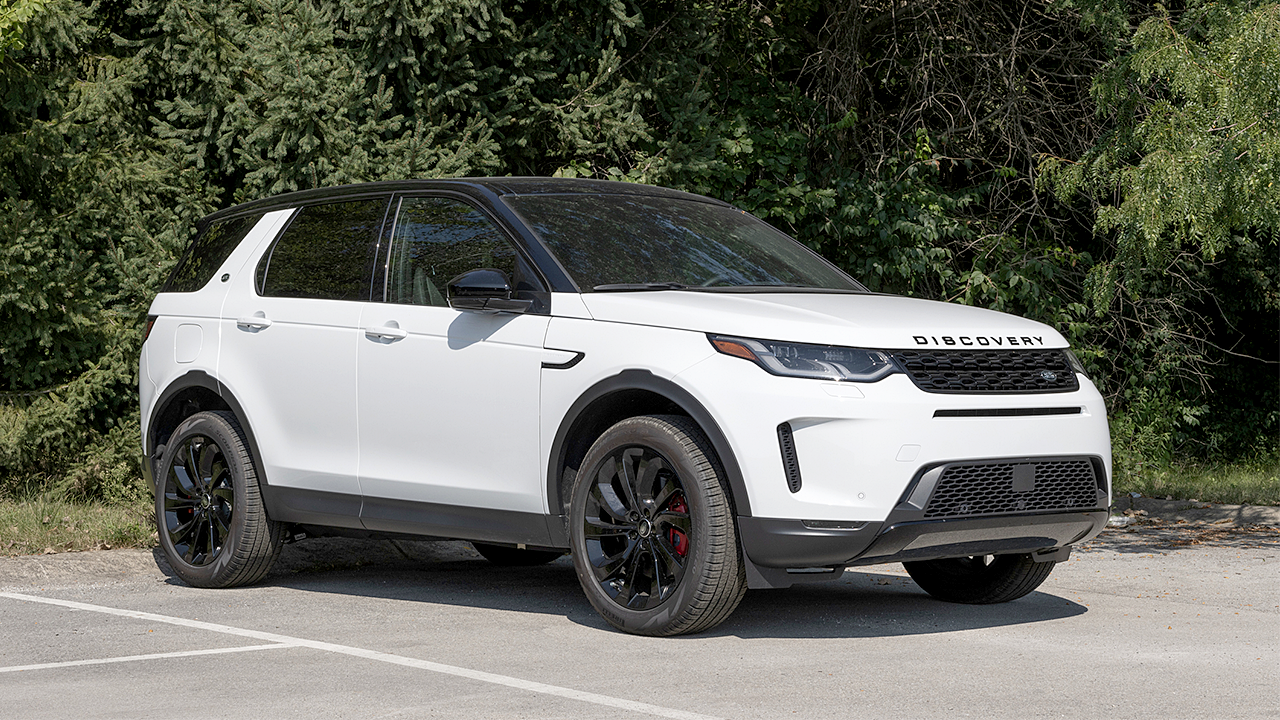
A total of 15,535 vehicles are potentially affected by the recall.(Getty Images / Getty Images)
For a luxury automaker like Land Rover, whose vehicles often command premium prices based on perceived quality, reliability, and advanced features, such a fundamental design flaw is particularly problematic. The brand’s image is meticulously cultivated around adventure, capability, and sophisticated technology. A defect related to basic weatherproofing – water ingress – in a vehicle designed for diverse terrains, directly undermines this perception. Consumers paying a premium expect flawless execution and unwavering reliability, and any deviation from this standard can erode trust and lead to skepticism about other advanced features.
The financial impact of recalls extends far beyond the immediate costs of repairs. While JLR will bear the expenses of dealership inspections, camera replacements, and the drilling of additional drain holes at no cost to the owners, the indirect costs can be far more substantial. These include potential dips in new vehicle sales as prospective buyers reconsider their options, diminished resale values for affected models, and the intangible yet critical damage to brand reputation. In an intensely competitive luxury SUV market, even minor quality concerns can steer discerning customers towards rivals such as BMW, Mercedes-Benz, Audi, or Lexus, all of whom consistently vie for the same high-net-worth demographic.
The NHTSA said that “insufficient drain holes” could prevent water from draining properly.(Getty Images / Getty Images)
Furthermore, this recall underscores a broader trend of heightened regulatory scrutiny on vehicle safety. The NHTSA, tasked with ensuring vehicle safety standards, continues to be proactive in identifying and mandating remedies for potential defects. As modern vehicles become increasingly complex, integrating sophisticated electronic systems and advanced driver-assistance technologies (ADAS), the potential points of failure multiply. A rearview camera, now a mandatory safety feature in all new vehicles sold in the U.S. since 2018, is no longer a luxury amenity but a fundamental safety component. Any malfunction directly implicates compliance with federal safety mandates, pushing automakers to prioritize robust design and rigorous quality control throughout their development and manufacturing processes.
This incident also prompts questions about JLR’s internal quality assurance protocols and supply chain management. A design flaw like “insufficient drain holes” suggests potential oversights during the vehicle’s development and testing phases. For Tata Motors, its Indian parent company, managing quality control for a global luxury brand like JLR is critical, especially as it seeks to strengthen its position in international markets and aggressively pursue electrification strategies. Frequent quality issues, even if seemingly minor, can divert resources, strain engineering teams, and ultimately impact investor confidence in Tata Motors’ broader automotive portfolio and future growth prospects. The market often penalizes companies perceived to have systemic quality control weaknesses, reflecting negatively on stock performance.
Car owners are instructed to take their vehicles to a dealership for inspection, where the camera will be replaced at no cost if necessary.(Getty Images / Getty Images)
Looking ahead, Jaguar Land Rover’s response to this recall will be closely watched. Transparent communication, swift execution of the repair process, and a demonstrable commitment to preventing future occurrences will be essential in mitigating the long-term market impact. Owner notification letters are expected to be mailed by September 11, setting a clear timeline for remediation. The company’s ability to not only fix the immediate problem but also to reassure its customer base and the broader market of its unwavering dedication to premium quality and safety will be pivotal in maintaining its competitive edge and protecting its valuable brand equity in a dynamic and demanding automotive landscape.
CLICK HERE TO GET FOX BUSINESS ON THE GO
Market Impact:
This recall, while numerically smaller than some mass-market recalls (such as the recent Ford and BMW examples), carries a disproportionate impact on Jaguar Land Rover due to its premium market positioning. Investors in Tata Motors will be watching for any signs of broader, systemic quality control issues that could dampen profitability and investment in future EV platforms. The incident could lead to a short-term negative sentiment affecting JLR’s sales outlook and market share in the competitive luxury SUV segment, potentially impacting average transaction prices and promotional spending. Over the longer term, consistent quality issues could erode brand loyalty, making it harder for JLR to command premium pricing and potentially affecting its ability to attract new customers in an increasingly competitive global automotive market focused on both technological advancement and unwavering reliability.