
Global News Briefing: Key Developments Across Policy, Technology, and Society
This report compiles significant developments from various sectors, ranging from national security and public policy shifts to technological disruptions and critical infrastructure safety debates. These stories highlight ongoing challenges in governance, evolving societal norms, and the far-reaching impacts of recent events.
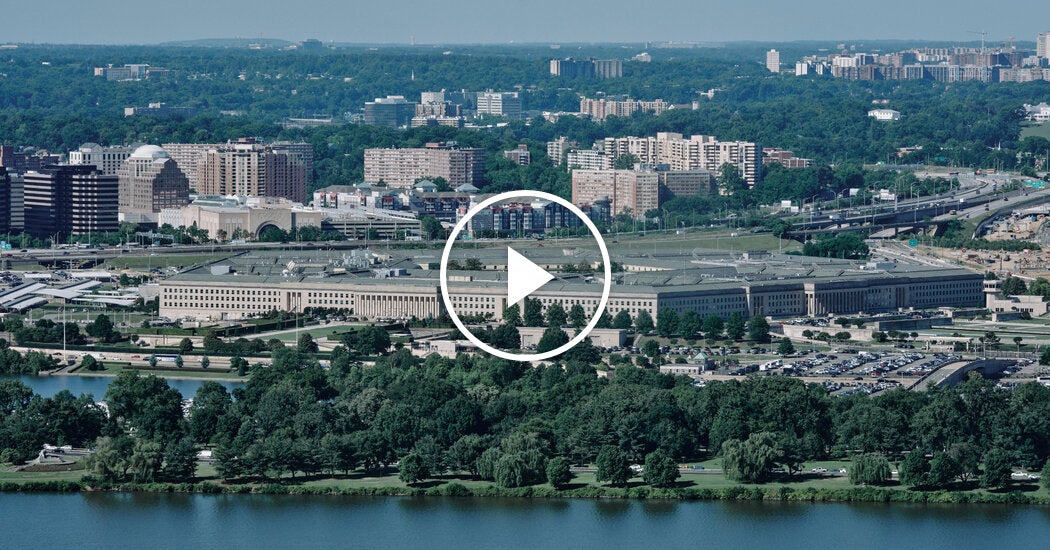
Pentagon Initiates Polygraph Tests Amid Major Leak Investigation
The Pentagon has reportedly commenced administering polygraph tests to members of the Joint Staff in an intensified effort to identify the source of a significant leak of classified information. The move underscores the gravity with which defense officials are treating the unauthorized disclosure, which is believed to encompass sensitive national security intelligence. The Joint Staff, comprising high-ranking military officers from across the U.S. armed forces, plays a crucial role in advising the Secretary of Defense and the President. The decision to employ polygraph examinations, often a contentious tool due to their debated reliability, signals an urgent and comprehensive internal investigation aimed at safeguarding classified operational details and intelligence sources. Such leaks can have profound implications for national security, potentially compromising military operations, diplomatic relations, and intelligence-gathering capabilities. The investigation seeks to uncover not only who was responsible but also the scope and impact of the information released.
Reporting by Jonathan Swan, Adam Entous, Maggie Haberman, and Eric Schmitt
Trump Officials Draft Plan to Redesign Parental Leave Funding
Officials within the Trump administration have reportedly drafted a proposal to reallocate existing funds designated for working parents to instead provide payments for parents who choose to stay at home to care for their children. The plan, if implemented, would mark a significant shift in federal policy regarding parental support, potentially reframing how the government incentivizes childcare and family structures. Current federal initiatives primarily focus on supporting parents who are part of the workforce, often through tax credits for childcare expenses or specific leave policies. The proposed redirection of funds suggests an intent to bolster support for traditional at-home parenting models, potentially aligning with a broader conservative agenda. Critics of such a plan may raise concerns about its impact on workforce participation, particularly for mothers, and the potential for a decrease in available resources for working families who rely on existing support systems. The proposal’s financial implications and feasibility, particularly concerning the existing budgetary frameworks, remain central to the ongoing debate.
Reporting by Coral Davenport
Trump’s ‘New America’ Proposal for New Mexico Prompts Strong Pushback
Former President Donald Trump has reportedly floated the idea of renaming the state of New Mexico to “New America,” a suggestion that has quickly garnered significant criticism and pushback from various quarters. The proposal, made public recently, ignited a debate over historical identity, cultural significance, and political rhetoric. New Mexico, with its rich Indigenous and Hispanic heritage, carries a name deeply embedded in its cultural fabric and historical narrative, dating back centuries before its statehood. Critics argue that such a name change would be a profound disrespect to the state’s diverse history, its people, and their unique identity. Elected officials, community leaders, and residents have voiced strong opposition, emphasizing the importance of preserving the state’s heritage and autonomy. The discussion highlights broader sensitivities surrounding place names, national identity, and the role of political figures in proposing significant cultural alterations.
Reporting by Dan Watson
Documents Suggest New Yorkers Were Misled on 9/11 Air Quality
New evidence, reportedly contained within recently unearthed documents, suggests that New Yorkers may have been provided with inaccurate or misleading information regarding air quality in the aftermath of the September 11, 2001, terrorist attacks. The reports indicate that government assurances about the safety of the air around Ground Zero were potentially understated, failing to adequately convey the presence of toxic particulate matter and other hazardous substances released by the collapse of the World Trade Center towers. For years following the attacks, thousands of first responders, recovery workers, and residents in Lower Manhattan reported various health ailments, including severe respiratory issues, cancers, and other long-term illnesses, often attributed to exposure to the contaminated environment. These new revelations could reignite debates about government transparency during crises, the adequacy of public health warnings, and the long-term accountability for informing and protecting affected populations during and after catastrophic events. The implications extend to the trust placed in official statements during times of emergency and the provision of subsequent healthcare for affected individuals.
Reporting by Sally Goldenberg and Nina Agrawal
Miami Plane Crash Ignites Debate on Runway Buffer Zones
A recent plane crash in Miami has prompted a renewed and urgent debate among aviation safety experts, regulators, and local communities regarding the necessity of requiring larger safety buffers for airport runways. The incident, where an aircraft overran the runway, has brought attention to the potential dangers posed when aircraft exceed the designated runway area, especially when adjacent to populated zones, bodies of water, or critical infrastructure. Advocates for mandatory runway buffers, known as Runway Safety Areas (RSAs), argue that increased clear zones at the end of runways are essential to provide additional space for aircraft to safely decelerate or come to a stop in the event of an overrun or undershoot, thereby preventing more severe accidents and minimizing casualties. The debate centers on balancing enhanced safety measures against the practical challenges of land availability, particularly in urbanized areas like Miami, and the significant costs associated with expanding or reconfiguring existing airport infrastructure. The discussion aims to inform future aviation regulations and urban planning around airports globally.
Reporting by Karoun Demirjian
AI Disrupts Kenyan Homework Outsourcing Industry
For years, a significant informal industry flourished in Kenya, where individuals were employed to complete homework assignments and academic papers for college students, primarily in Western countries. This practice provided a source of income for many Kenyans, leveraging their educational skills for an international clientele. However, the advent of sophisticated Artificial Intelligence (AI) tools has dramatically disrupted this cottage industry. AI programs, capable of generating essays, solving complex problems, and performing research tasks with increasing proficiency, are now able to complete such academic assignments rapidly and often at a lower “cost” (or even for free, depending on the tool). This technological shift has led to a steep decline in demand for human-provided homework services, leaving many Kenyans who relied on this work facing significant economic hardship and job displacement. The situation underscores the far-reaching economic impacts of AI and automation on global labor markets, particularly in sectors susceptible to automated content generation, while also raising critical questions about academic integrity and the future of education in the age of AI.
Reporting by Adam Satariano and Paul Mozur
Why This Matters
The collection of news stories outlined above collectively paints a picture of a world grappling with profound shifts across governance, technology, and societal values. Each report, while distinct, highlights overarching themes critical to understanding contemporary global challenges.
- Government Transparency and Public Trust:The Pentagon leak investigation and the revelations regarding 9/11 air quality underscore the vital importance of government accountability and the erosion of public trust when sensitive information is mishandled or deliberately obscured. These incidents demonstrate the long-term consequences of a lack of transparency, impacting national security, public health, and societal well-being.
- The Evolving Role of Technology:The disruption of Kenya’s academic outsourcing industry by AI is a stark illustration of how rapidly advancing technology can reshape global labor markets and challenge traditional economic models. It signals a broader trend where AI’s capabilities are not just augmenting human work but actively displacing it, necessitating urgent conversations about adaptation, retraining, and the ethics of automation.
- Policy, Identity, and Societal Values:The Trump administration’s proposed parental leave changes and the controversial suggestion to rename New Mexico reveal ongoing ideological battles over social policy and national identity. These debates reflect fundamental disagreements about family structures, historical heritage, and the cultural landscape of nations, demonstrating how political discourse can deeply impact communities and their sense of belonging.
- Infrastructure and Public Safety:The Miami plane crash and the subsequent debate over runway buffers highlight perennial challenges in infrastructure development and regulatory oversight. As urban areas expand and technologies evolve, ensuring public safety requires constant evaluation of existing standards, balancing economic pressures with the imperative to prevent catastrophic incidents.
Together, these stories illustrate a complex interplay of forces shaping the modern world—where national security is constantly tested, technological progress brings both opportunity and disruption, societal values are continually debated, and the pursuit of public safety remains paramount. Understanding these interconnected dynamics is crucial for citizens, policymakers, and global observers alike.