
Key Takeaways:
- **Tax Certainty Drives Capital Investment:** The One Big Beautiful Bill Act (OBBBA) provided manufacturers with crucial tax certainty, encouraging significant capital expenditures, factory expansions, and adoption of new technologies.
- **Pro-Growth Policies Bolster Domestic Manufacturing:** Provisions like 100% expensing of new factories and immediate R&D deductions directly stimulated job creation, GDP growth, and wage increases, reinforcing the push for American manufacturing competitiveness.
- **Innovation and Competitiveness Accelerated:** By easing the tax burden on R&D, the law empowered companies to innovate rapidly, develop advanced products, and maintain a leading edge in a dynamic global market.
Former Chrysler Chairman and CEO Bob Nardelli joins ‘Mornings with Maria’ to discuss why he believes President Donald Trump’s agenda is boosting the economy, lowering energy costs and strengthening U.S. defense.
WASHINGTON D.C. –One year after its enactment, a comprehensive report from the National Association of Manufacturers (NAM) has offered a granular look at how the Trump administration’s signature tax reform, dubbed the “One Big Beautiful Bill Act (OBBBA),” has reshaped the landscape for American industry. Released amidst ongoing debates about corporate tax policy and global competitiveness, the report details tangible impacts across all 50 states, underscoring the legislation’s role in stimulating investment and fostering economic growth within the manufacturing sector.
The OBBBA, passed by a Republican-controlled Congress and signed into law by then-President Donald Trump, was designed to be a direct intervention aimed at reversing years of manufacturing decline and incentivizing domestic production. At its core, the legislation slashed the corporate tax rate and introduced several key provisions critical for capital-intensive industries. These included the immediate 100% expensing of newly built factories and the accelerated depreciation of machinery and equipment. In an economic environment marked by increasing global competition and a concerted effort to reshore supply chains, these measures were touted as essential for making the U.S. a more attractive place to invest and manufacture.
NAM’s comprehensive analysis quantifies the broad economic dividends attributed to the OBBBA. The study not only estimated the number of jobs protected but also projected the amount of economic growth and wages preserved across the nation. Beyond these aggregated figures, the report offered compelling case studies from manufacturers in every state, illustrating the real-world application of the tax law’s provisions.
“Tax policy is far more than numbers on a spreadsheet; these stories – across all 50 states – show the real-world impact of pro-growth policies that have given manufacturers the confidence to invest, hire, raise wages and expand facilities,” remarked Jay Timmons, CEO of the National Association of Manufacturers. Timmons emphasized the long-term strategic importance of the law, labeling it “one of the most consequential pieces of legislation in a generation.” He further noted that “Congress and the administration delivered the permanent, pro-growth tax code manufacturers needed to invest in their people, purchase new equipment and plan confidently for the future.” This sentiment resonates strongly with capital markets, where predictability in tax liabilities is a significant factor in long-term investment decisions and corporate planning cycles.
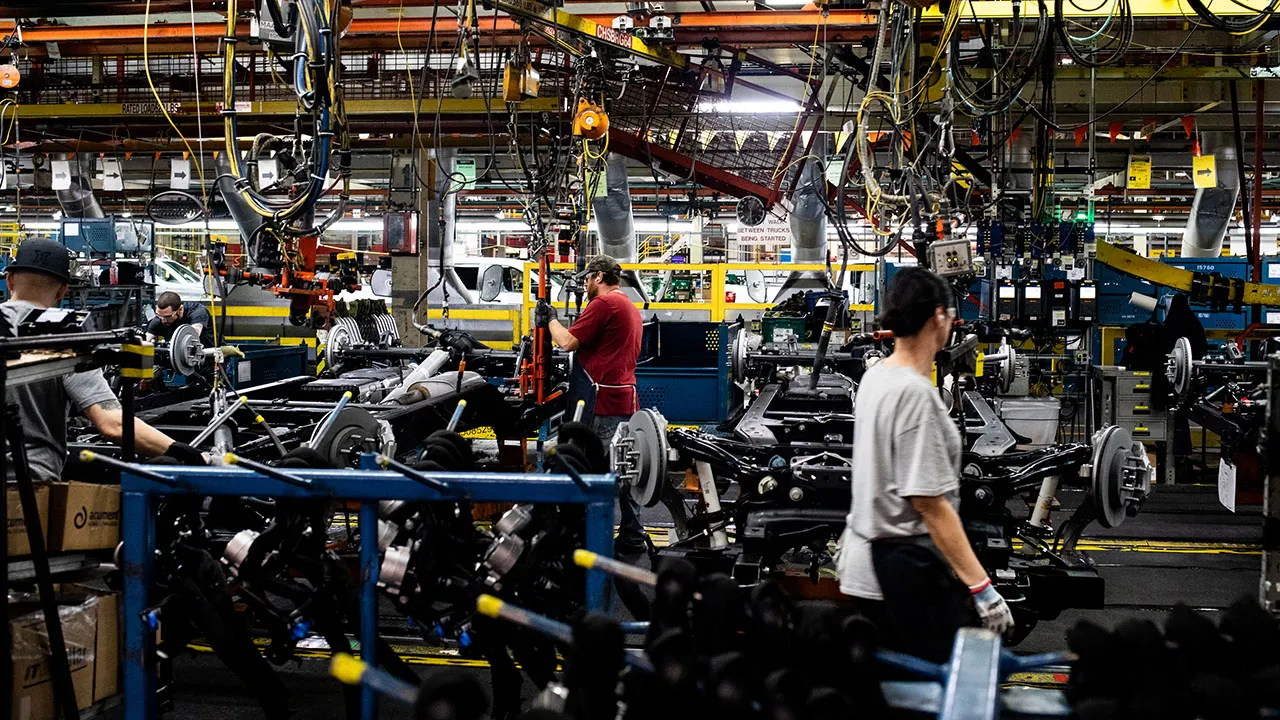
NAM’s report highlighted the tax law’s impact on jobs, economic growth and wages in all 50 states.(Emily Elconin/Bloomberg via Getty Images)
Regionally, the OBBBA’s impact showed significant concentrations in major industrial states. In California, NAM’s analysis reported an estimated preservation of 708,000 jobs, a boost of $134 billion in GDP, and $67 billion in wages – figures that led all 50 states. These substantial numbers reflect the state’s diverse and advanced manufacturing base. A prime example is Robinson Helicopter, a commercial helicopter manufacturer, which leveraged the immediate expensing of research and development costs. This provision allowed the company to accelerate the deployment of new R88 helicopters, which are being adapted as control centers for fire surveillance drones. Will Fulton, vice president of business development at Robinson Helicopter, highlighted the direct link: “These types of innovative solutions require a significant amount of research and development spend… the immediate R&D deduction accelerates our ability to innovate and increases the ability with which we can bring these property and lifesaving innovations to market.” This illustrates how tax incentives can directly translate into technological advancement and competitive advantage in a high-tech sector.
Texas also experienced substantial benefits, ranking second nationally with an estimated 547,000 jobs, $107 billion in GDP, and $51 billion in wages saved. WilliamsRDM, a Texas-based firm, utilized the R&D expensing provisions to continue investing in engineering, prototyping, testing, and design improvements. This enabled the company to deploy cutting-edge technology for critical sectors such as aerospace, defense, fire suppression, energy, and security firms – areas vital to national infrastructure and global security. Such investments are crucial for bolstering domestic supply chains and reducing reliance on foreign components, a significant strategic goal for the U.S. economy.
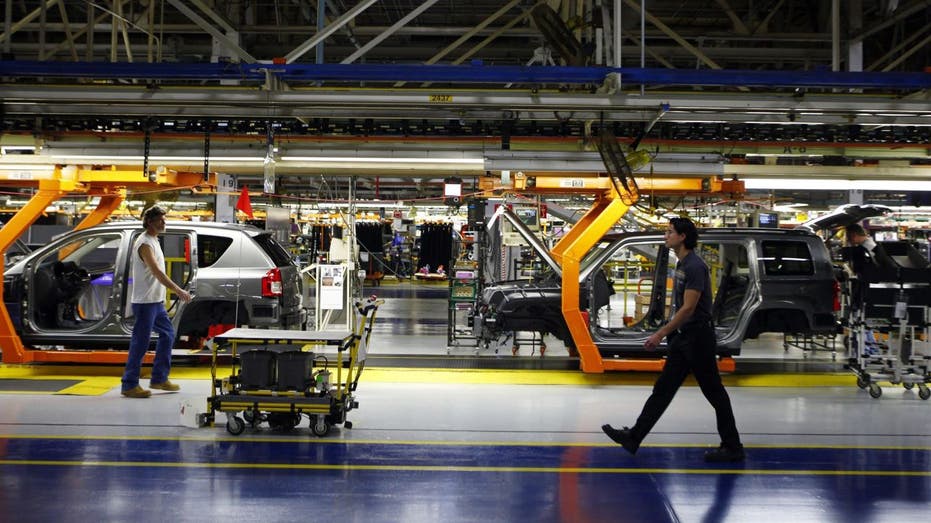
The OBBBA made it easier for manufacturers to deduct R&D expenses as well as new capital expenditures.(Michael Tercha/Chicago Tribune/Tribune News Service via Getty Images)
Further east, Florida saw an estimated 399,000 jobs and $36 billion in wages saved. Global healthcare giant Johnson & Johnson demonstrated its confidence in the new tax regime by investing over $1 billion to expand operations in Jacksonville. Kathy Wengel, J&J’s chief technical operations and risk officer, affirmed that these “investments reflect our sustained commitment to advancing American innovation, enabled by a strong and stable corporate tax rate.” For multinational corporations, a stable and competitive corporate tax rate is a primary driver for allocating capital expenditures and expanding facilities within a given country, directly influencing foreign direct investment flows.
Nick Pinchuk, CEO of Snap-On and NAM Vice Chair for Tax and Finance Policy, provided a compelling personal perspective, stating he had seen firsthand how “long-term tax uncertainty translates into workforce certainty,” and characterizing the law as “an investment in the American worker.” Pinchuk elaborated on the broader implications: “It reaffirms, for all to see, the critical importance of manufacturing to our nation’s future and it assures that prosperous tomorrow by giving manufacturers, including small- and family-owned businesses, a significant boost to their capabilities and the confidence to making lasting investments in their people – to recruit, train and retain skilled workers, strengthen career pathways, and create good paying jobs in communities across the country.” This highlights the socio-economic benefits beyond pure financial metrics, impacting local economies and skill development.
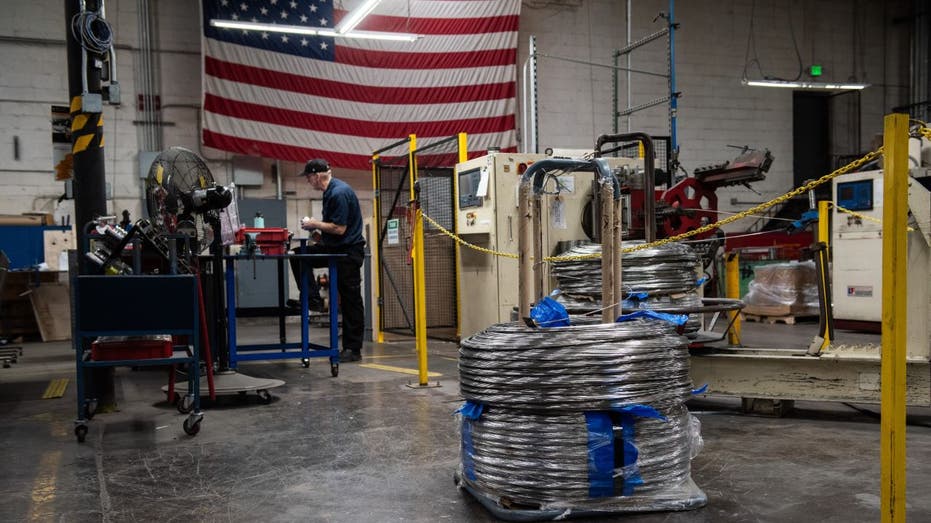
Manufacturers cited the newfound certainty of the tax law as giving them confidence to invest.(Andrew Magnum/Bloomberg via Getty Images)
Congressional leaders involved in crafting the legislation echoed these sentiments. House Ways and Means Committee Chairman Jason Smith, R-Mo., stated his top priority in drafting the OBBBA was “permanent, pro-growth tax policy.” He emphasized, “If we were truly going to make a lasting impact for manufacturers, we had to deliver legislation that gave them the confidence to invest in equipment, hire workers, and plan for the long term – and that’s exactly what we did. By preventing a massive tax hike and locking in permanent, pro-growth tax policies, we gave manufacturers the certainty they needed to grow. One year later, we’re seeing the results, with success stories from manufacturers in all 50 states.” Senate Finance Committee Chairman Mike Crapo, R-Idaho, added, “One year in, the results are clear – the Working Families Tax Cuts are strengthening our economy, boosting American manufacturing and creating greater opportunities for workers for years to come.”
The rhetoric from policymakers and industry leaders alike emphasizes the strategic intent behind the OBBBA: to create an economic environment where U.S. manufacturers could thrive. The report’s findings suggest that, at least in its first year, the legislation has delivered on some of its promises, particularly in incentivizing capital expenditure and R&D, which are vital for maintaining a competitive edge in the global industrial landscape.
Market Impact:
The OBBBA’s first-year impact, as detailed by NAM, carries significant implications for various market segments. For investors, the enhanced profitability and capital expenditure incentives directly translate to improved financial outlooks for manufacturing firms. Stocks in the industrial sector, particularly those involved in machinery, automation, and advanced materials, could see sustained tailwinds from increased domestic investment. The immediate expensing provisions reduce the effective cost of new assets, boosting return on investment and potentially attracting more capital to the sector. This policy also supports a stronger corporate balance sheet, as companies retain more cash for reinvestment, dividends, or share buybacks. The emphasis on R&D deductions fosters innovation, which is a key driver of long-term value creation and competitive differentiation, benefiting companies with robust intellectual property pipelines. Furthermore, the certainty provided by the “permanent, pro-growth tax policy” reduces regulatory risk, encouraging more stable and predictable capital allocation decisions, which is highly valued by institutional investors. This environment could also lead to an uptick in mergers and acquisitions within the manufacturing space, as companies seek to expand capacity or acquire innovative technologies, further driving M&A advisory fees and financing activity. Overall, the OBBBA positioned U.S. manufacturing as a more attractive investment proposition, fostering growth and strengthening its global market position.