

California AG Rob Bonta leads a push to block a potential merger between Paramount and Warner Bros. Discovery. Charlie Gasparino analyzes the regulatory battle, while actor Mark Ruffalo urges officials to stop the deal.
Key Takeaways for Investors:
- Regulatory Headwinds Intensify:The multi-state antitrust lawsuit against the Paramount-Warner Bros. Discovery merger signals a heightened regulatory environment, posing significant risks to consolidation strategies across the media sector.
- Operational Efficiency vs. Local Impact:Paramount’s alleged threat to exit California underscores the entertainment industry’s drive for cost optimization and tax incentives, potentially influencing location decisions for other major studios amidst a challenging economic landscape.
- M&A Uncertainty Pressures Valuations:The protracted legal battle surrounding the proposed $110 billion merger injects substantial uncertainty into Paramount’s strategic future, impacting shareholder confidence and the valuation of both companies.
Los Angeles, CA –The traditional media landscape, already grappling with the seismic shifts of the streaming era and intense competition for audience attention, faces a fresh wave of market volatility as Paramount Global navigates both a looming interstate relocation and a high-stakes antitrust challenge to its proposed merger with Warner Bros. Discovery. The interwoven sagas highlight the precarious balance between corporate strategy, regulatory scrutiny, and regional economic impact, all of which are increasingly under the microscope of Wall Street.
Reports emerged Wednesday suggesting Paramount was poised to announce its departure from California, though the company has remained tight-lipped, offering no official confirmation. Sources close to Los Angeles Mayor Karen Bass’ office and California Attorney General Rob Bonta’s office indicated Paramount’s plan to reveal its exit on Tuesday, a development that ultimately did not materialize. While the immediate reason for the delay or change of heart remains unclear, the underlying sentiment points to a media giant actively evaluating its operational footprint amidst rising costs and the allure of more business-friendly states. Politico’s report that Paramount is actively seeking office space in Nashville further fuels speculation, sending a clear signal of strategic intent.
Paramount’s silence, when reached by FOX Business, speaks volumes in a market context where transparency is often equated with stability. The potential exodus from California, the historical heartland of Hollywood, is not merely a logistical move but a significant market signal. It reflects a broader industry trend where legacy media companies, facing declining linear TV revenues and intense investment demands for streaming, are aggressively pursuing cost-cutting measures. High operational costs, including taxes and real estate, in states like California often drive companies to explore alternatives in states like Texas, Tennessee, or Georgia, which frequently offer attractive incentive packages and a lower cost of doing business. For investors, such a move could be interpreted as a positive step towards improving margins, though it also carries risks of disruption and talent retention challenges.
California Attorney General Rob Bonta’s office, while unable to comment directly on Paramount’s current plans, acknowledged the company’s repeated “threats” to leave the state. “It’s no secret that Paramount has been making this threat despite its alleged commitment to California and Hollywood,” Bonta’s office stated, emphasizing that “What Paramount decides to do is Paramount’s choice alone.” This firm stance from state officials underscores the tension between corporate autonomy and governmental efforts to retain vital economic sectors. Los Angeles Mayor Karen Bass’ office echoed this sentiment, stressing the mayor’s commitment to “protecting and fighting for jobs in LA, including critical jobs in the entertainment industry that have been a vital part of Los Angeles’ economy.” The potential loss of a major studio would reverberate through the local economy, affecting ancillary businesses, employment figures, and the state’s tax base, adding another layer of complexity to Paramount’s strategic decision-making.
California officials responded after reports claimed Paramount is preparing to leave the state, though the company declined to comment, and no official announcement has been made.(Noah Suave / Getty Images)
Yet, the relocation drama unfolds against the backdrop of a far more consequential battle: the proposed $110 billion acquisition of Warner Bros. Discovery (WBD). Paramount CEO David Ellison’s aggressive push to merge the two media titans has hit a formidable roadblock in the form of a multistate antitrust lawsuit led by Attorney General Bonta and 11 other state attorneys general. Filed in July, the lawsuit seeks to block the megadeal, arguing it would severely reduce competition and grant the combined entity excessive market power across critical segments, including film distribution, streaming content, and basic cable programming. This legal challenge is a watershed moment, signaling a more aggressive stance from state regulators on media consolidation than seen in recent years, a trend that could impact future M&A activity across the industry.
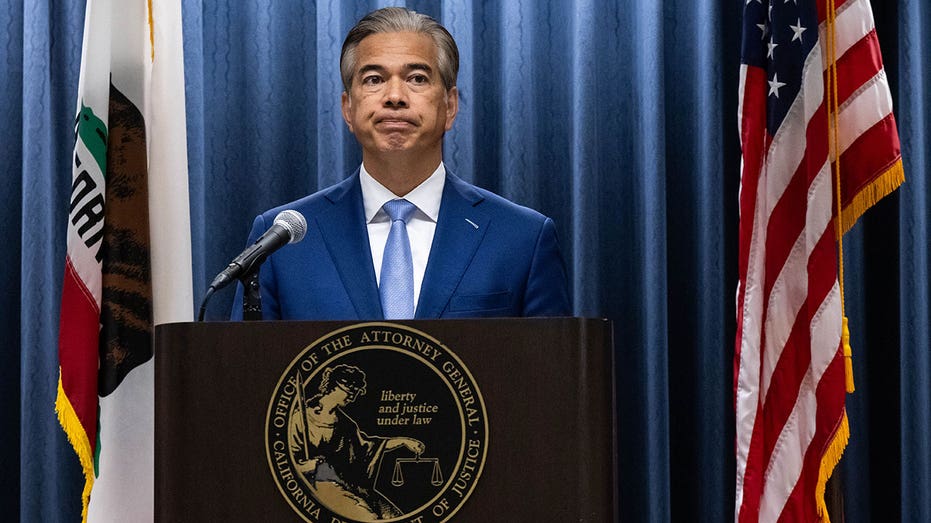
California Attorney General Rob Bonta is leading a multistate antitrust lawsuit seeking to block Paramount’s proposed $110 billion acquisition of Warner Bros. Discovery.(Sarah Reingewirtz/MediaNews Group/Los Angeles Daily News via Getty Images / Getty Images)
The antitrust concerns are multifaceted. Regulators contend that combining Paramount’s extensive film library and broadcast networks (CBS) with WBD’s vast content slate (HBO, CNN, DC Comics) and streaming platforms (Max) would create an unparalleled behemoth. Such a merged entity could gain undue leverage in negotiations with exhibitors, cable distributors, and rival streaming services for content licensing. It could also stifle innovation and choice for consumers, potentially leading to higher subscription fees or fewer independent content offerings. For investors, the success or failure of this merger carries immense implications for the future competitive landscape. A successful merger would create a scale player capable of challenging Disney and Netflix, potentially unlocking significant synergies and cost savings. Conversely, a blocked deal would force both Paramount and WBD to re-evaluate their standalone strategies in a market that increasingly rewards scale and global reach.
David Ellison’s reported ultimatum – threatening to move Paramount to Texas, Tennessee, or Georgia if the legal battle is not resolved by October 1 – is a clear demonstration of management’s frustration and determination. This aggressive tactic, while potentially aimed at expediting settlement talks, also highlights the immense pressure on Paramount to define its future direction. With settlement discussions ongoing and a trial date set for March if no agreement is reached, the market remains in limbo, casting a long shadow over both companies’ stock performance. The uncertainty impacts not only their ability to compete effectively but also their capacity to attract and retain top talent and secure strategic partnerships.

Los Angeles Mayor Karen Bass says she is focused on keeping entertainment industry jobs in Los Angeles and ensuring the city remains home to Hollywood.(Mario Tama / Getty Images)
The confluence of these events – a potential high-profile relocation driven by cost pressures and a pivotal merger facing intense regulatory pushback – paints a vivid picture of the challenges confronting legacy media. Companies like Paramount are caught between the imperative to achieve scale and efficiency in a capital-intensive industry and the increasing scrutiny of antitrust regulators concerned about market concentration. The outcome of both situations will not only determine Paramount’s future trajectory but also set precedents for the broader entertainment industry’s path forward.
Market Impact:
The ongoing sagas surrounding Paramount’s potential exit from California and the antitrust challenge to its Warner Bros. Discovery merger create significant headwinds for the company and the broader media sector. For Paramount, continued uncertainty could depress its stock valuation, impede strategic planning, and make it difficult to attract capital or secure future partnerships. The regulatory pushback against such a large-scale merger signals a tougher environment for M&A in media, potentially chilling other consolidation efforts and forcing companies to pursue organic growth or smaller, less scrutinizable acquisitions. Investors in media stocks will be closely watching the legal proceedings, as the outcome will offer crucial insights into the appetite of regulators for industry consolidation. Furthermore, the debate over operational costs and state incentives will likely prompt other studios and production houses to re-evaluate their geographic footprints, potentially leading to a gradual decentralization of the entertainment industry beyond traditional hubs like Hollywood, with ripple effects on local economies and talent markets.
GET FOX BUSINESS ON THE GO BY CLICKING HERE