

Key Takeaways:
- Legal Precedent & Risk Mitigation:Hershey’s successful dismissal of a class-action lawsuit, coupled with the immediate packaging update, sets a precedent for how “suggestive” marketing imagery is interpreted by courts and demonstrates proactive risk management against future consumer litigation.
- Brand Integrity & Consumer Trust:While the legal victory protected Hershey from damages, the incident underscores the delicate balance between creative marketing and clear consumer communication, essential for maintaining a strong brand image and investor confidence in a highly competitive CPG sector.
- Operational Agility & Market Responsiveness:The swift implementation of a new disclaimer on a high-volume seasonal product highlights Hershey’s operational agility in adapting to legal outcomes and market feedback, minimizing potential long-term reputational or financial liabilities.
Check out what’s clicking on FoxBusiness.com.
Hershey Navigates Packaging Pitfalls: New Disclaimer Reflects Shifting Consumer Expectations and Legal Landscape
In a move reflecting heightened scrutiny on consumer product packaging and the fine line between marketing imagery and tangible goods, The Hershey Co. (NYSE: HSY) has introduced a new, explicit disclaimer on its popular Reese’s Peanut Butter Pumpkins. The seasonal treat now features the words “Carving not on actual product” alongside the iconic jack-o’-lantern-style image, a direct response to a recent legal challenge that questioned the veracity of its “decorating suggestion” language.
This subtle yet significant update, visible on official Hersheyland product images, replaces the previously more ambiguous “Decorating Suggestion.” While seemingly minor, the change offers a crucial window into the evolving landscape of consumer protection, corporate liability, and brand communication within the highly competitive Consumer Packaged Goods (CPG) sector.
Hershey has reportedly added a new disclaimer to Reese’s Peanut Butter Pumpkins.(Marcin Golba/NurPhoto via Getty Images)
The impetus for this proactive measure stems from Hershey’s recent victory in a proposed class-action lawsuit. Two Florida consumers alleged that they were misled because the Reese’s pumpkins they purchased lacked the intricate carved designs depicted on the packaging. Their claim, centered on the “novelty” and “cool and beautiful carved-out designs,” sought to establish economic damages despite receiving a product that was otherwise functionally identical to their expectation for a Reese’s treat.
U.S. District Judge Melissa Damian in Miami ultimately sided with Hershey, dismissing the lawsuit brought by Nathan Vidal and Eduardo Granados. Judge Damian’s ruling emphasized that the plaintiffs lacked legal standing to claim they overpaid for the candy, asserting that their “only injury is their subjective disappointment.” Crucially, the court found no evidence that the products were “defective or worthless” or that they had lost “all economic value” due to the absence of decorative carvings. This judicial perspective on “subjective disappointment” versus quantifiable economic injury provides a significant precedent for CPG companies facing similar challenges regarding product presentation.
Hershey’s legal defense had consistently argued that its original packaging explicitly described the pictured carvings as a “decorating suggestion.” The company’s stance underscored the industry-standard practice of using aspirational imagery to enhance product appeal, a common strategy across food, beverage, and other consumer goods categories.
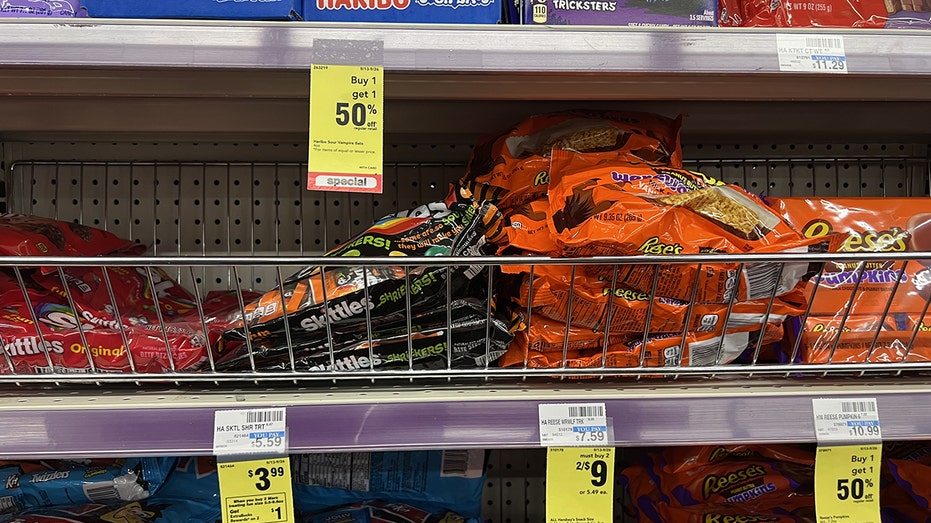
The change comes after Hershey won the dismissal of a proposed class-action lawsuit brought by two Florida consumers.(Smith Collection/Gado/Getty Images)
Despite the legal win, the decision to amend the packaging indicates Hershey’s strategic commitment to pre-empting future litigation and fortifying its brand against potential consumer backlash. In an age where social media amplifies consumer grievances and class-action lawsuits are increasingly common, clarifying packaging language serves as a robust defense mechanism. For a company like Hershey, which derives significant revenue and brand equity from its iconic shapes and seasonal offerings, ensuring crystal-clear communication is paramount.
The plaintiffs’ attorney, James Kelly, expressed disappointment with the ruling and signaled plans for an appeal, stating that “Consumers in Florida deserve to get what they pay for, and it is troubling to see them left without protection.” This sentiment highlights the ongoing tension between corporate marketing freedom and consumer expectations, particularly in a market where visual appeal often drives purchasing decisions. The legal battle itself, irrespective of the outcome, incurred legal costs for Hershey and demanded internal resources, illustrating the non-trivial impact of such disputes on even large, well-established corporations.
The timing of this development is also notable. Hershey recently rolled out more than 20 Halloween-themed products, with seasonal sales representing a critical component of its annual revenue cycle. Reese’s Peanut Butter Pumpkins are a staple of the Halloween confectionery market, making any disruption to their sales or brand perception a material concern for investors. Ensuring consumer confidence in these high-volume seasonal items is crucial for maintaining market share against fierce competition from other confectionery giants and private labels.
This incident also aligns with a broader period of operational focus for Hershey. The company has recently been in the news for other consumer-facing issues, including a return to a classic Reese’s recipe after criticism from the founder’s grandson and recalls of certain ice cream bars due to labeling errors. These separate events collectively underscore the continuous need for vigilance in product quality, marketing accuracy, and regulatory compliance within the food industry. For investors, these are indicators of the company’s commitment to protecting its brand and addressing consumer feedback, which are vital for long-term growth and profitability.
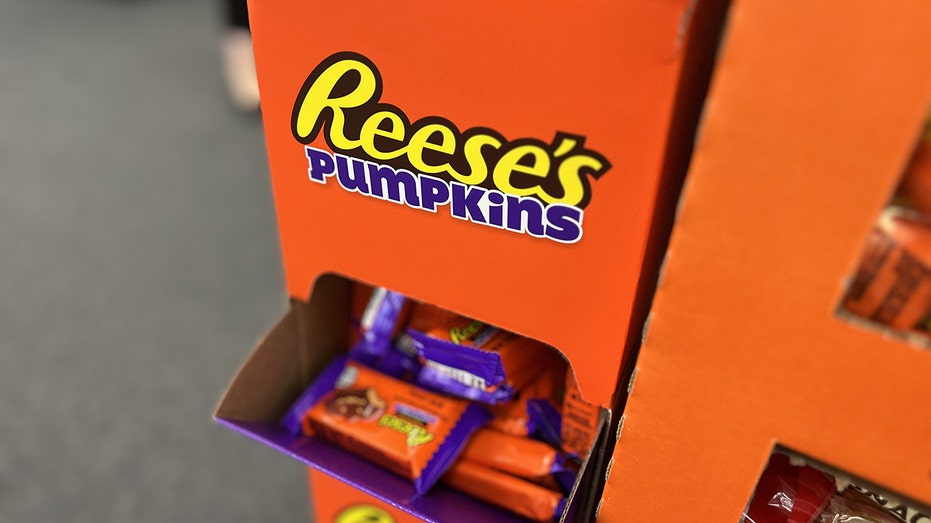
Hershey recently rolled out more than 20 Halloween-themed products ahead of the holiday.(Smith Collection/Gado/Getty Images)
The revised packaging on Reese’s Peanut Butter Pumpkins therefore represents more than just a minor text update; it is a strategic maneuver by The Hershey Co. to reinforce transparency, mitigate legal risks, and protect its brand in an increasingly litigious and consumer-aware marketplace. It serves as a reminder to the broader CPG industry about the importance of unambiguous communication, especially when marketing imagery might be interpreted as a literal representation of the product within.
Reuters contributed to this report.
Market Impact:
For The Hershey Co. (HSY) shareholders, the dismissal of the lawsuit, coupled with the proactive packaging adjustment, signals a positive outcome, mitigating potential financial liabilities and reinforcing robust legal defense mechanisms. While the direct financial impact of this specific lawsuit was likely minimal, the successful defense sets a valuable precedent for the CPG sector, potentially deterring similar “subjective disappointment” claims against other companies using evocative marketing imagery. For the broader market, this incident serves as a crucial reminder for CPG manufacturers to critically review their packaging and advertising language to ensure absolute clarity between “serving suggestion” and “actual product.” Companies that proactively adopt clearer disclaimers can strengthen consumer trust and reduce exposure to costly litigation, indirectly contributing to more stable investor sentiment across the industry. HSY’s quick response also demonstrates operational efficiency in adapting to legal and consumer challenges, a positive attribute for long-term valuation.