
Union Square Hospitality Group founder Danny Meyer and Chip City founder and CEO Peter Phillips discuss the genesis of their partnership on ‘The Claman Countdown.’
Key Takeaways:
- **Macroeconomic Headwinds Prove Decisive:** The swift downfall of Chip City, despite substantial growth equity backing, underscores the severe impact of persistent inflation, rising interest rates, and cautious consumer spending on even popular, growth-oriented concepts in the discretionary food sector.
- **Rapid Expansion Risk in Volatile Markets:** Enlightened Hospitality Investments’ $10 million injection fueled aggressive expansion from 14 to 39 locations. This “growth at all costs” strategy, particularly for a specialty food item, often strains unit economics and operational efficiency, proving unsustainable when market conditions deteriorate.
- **Private Equity’s High-Stakes Gamble:** The complete shutdown represents a significant write-off for EHI, illustrating the inherent risks in growth equity investments targeting high-multiple, rapid-scale opportunities. It highlights the challenge of balancing ambitious growth trajectories with fundamental profitability, especially in competitive and cost-sensitive market segments.
In a stark illustration of the perilous macroeconomic landscape for consumer discretionary businesses, Chip City, the New York-born gourmet cookie chain once hailed for its rapid expansion and backed by prominent hospitality investors, has abruptly shuttered all its locations nationwide. The company cited “significant macroeconomic headwinds” as the primary catalyst for the “very difficult decision,” a pronouncement that resonates deeply across the retail and quick-service restaurant (QSR) sectors grappling with unprecedented cost pressures and shifting consumer spending habits.
The closure marks a dramatic and swift reversal for Chip City, which had successfully cultivated a devoted following with its oversized, rotating menu of over 180 cookie flavors since its founding in 2017 by childhood friends Peter Phillips and Teddy Gailas. Its journey from a single storefront in Astoria, Queens, to a multistate presence across New Jersey, Connecticut, Maryland, and Virginia, was a testament to its initial market traction and ability to attract significant external capital.
POOL SUPPLIES RETAILER FILES FOR BANKRUPTCY, TO CLOSE 76 STORES
The shutdown marks a dramatic reversal for Chip City.(iStock / iStock)
The Allure of Growth Equity Meets Market Reality
The turning point for Chip City’s expansion came in 2022, when Enlightened Hospitality Investments (EHI), a growth equity fund affiliated with renowned restaurateur Danny Meyer’s Union Square Hospitality Group, announced a $10 million investment. This capital injection was intended to accelerate the chain’s ambitious growth trajectory, aiming to expand beyond its then 14 New York locations into new markets. At the time, the QSR and fast-casual segments were still riding a wave of post-pandemic recovery and investor optimism for scalable concepts, particularly those with strong brand identity and digital engagement.
However, the economic climate shifted dramatically shortly after this investment. The “significant macroeconomic headwinds” referenced by Chip City are a familiar refrain among distressed consumer businesses. Relentless inflation in food costs, packaging, and utilities has eroded profit margins, while a tight labor market has driven up wage demands, particularly in high-cost urban areas where Chip City thrived. Furthermore, rising interest rates have made debt financing more expensive and constrained capital availability, directly impacting companies reliant on external funding for expansion. Consumers, facing their own inflationary pressures, have become more discerning, often scaling back on discretionary purchases like premium cookies, opting for cheaper alternatives or simply reducing frequency.
RETAIL HEADWINDS FORCE WOMEN’S APPAREL GIANT CATO TO CLOSE DOZENS OF LOCATIONS
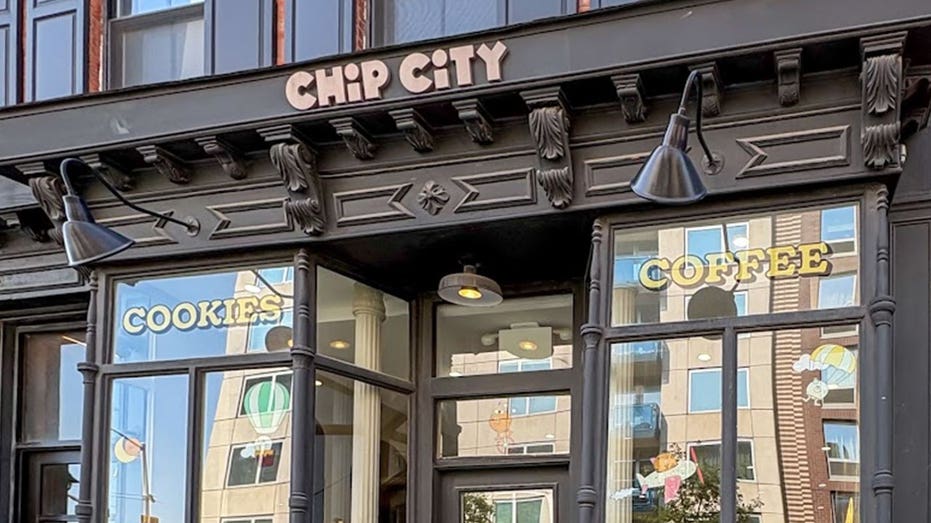
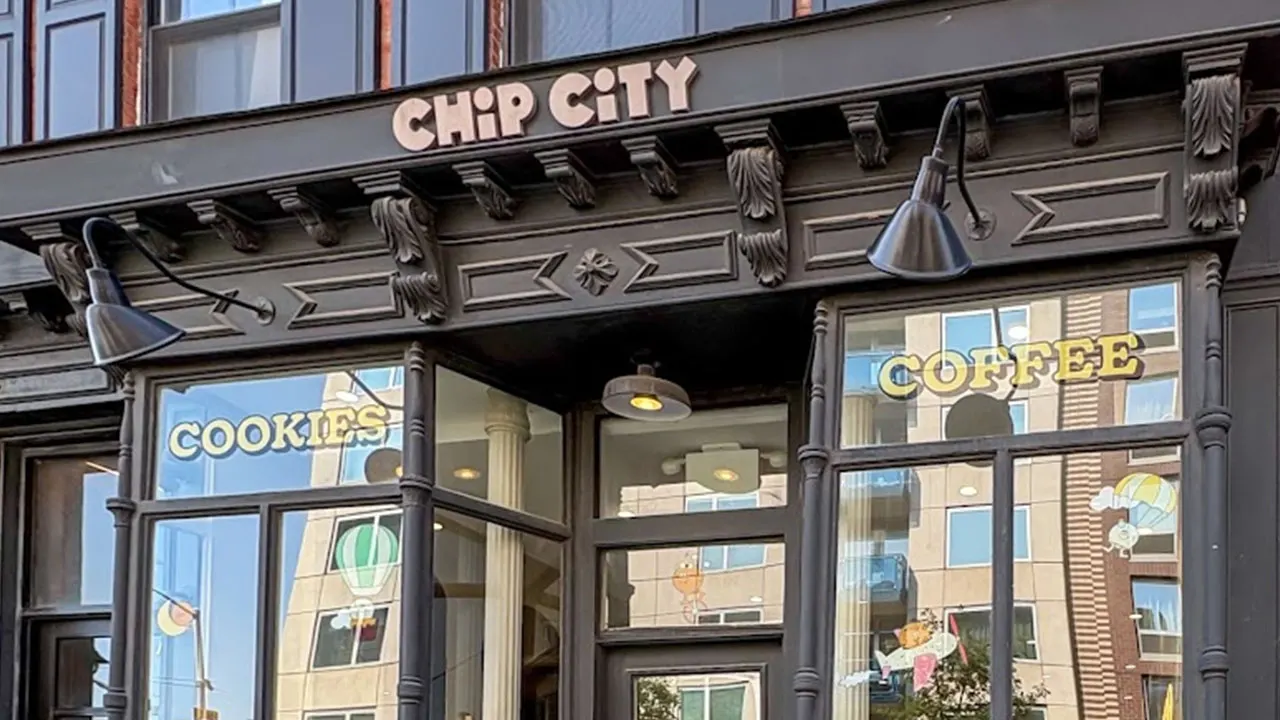
A Chip City location in Brooklyn, N.Y. The popular chain has closed all of its locations nationwide.(Google Maps / Google Maps)
The Pitfalls of Rapid Expansion and Unit Economics
The EHI investment propelled Chip City from 14 locations to a reported 39 by early 2024. While rapid expansion can be a cornerstone of growth equity strategies, it also introduces considerable operational complexity and financial risk. Scaling quickly requires robust supply chains, consistent brand execution across diverse geographies, and, crucially, strong unit economics for each new store. Without these fundamentals, growth can quickly become a “burn rate” problem, where capital is consumed faster than profits are generated. The company’s recent promotion of Nicolas Baizan to president, with a stated focus on “strengthening revenue performance and profitability across its 39 locations,” retrospectively suggests that these metrics may have been under pressure even as the company continued to grow its physical footprint.
The gourmet cookie market itself is highly competitive, featuring established players like Crumbl Cookies and Insomnia Cookies, alongside a myriad of local bakeries and independent shops. Differentiating a premium product in a crowded market while managing escalating operational costs is a continuous challenge that demands meticulous financial discipline and adaptive strategies, particularly when consumer wallets are tightening.
The closure is further complicated by an ongoing legal dispute involving co-founder and former CEO Peter Phillips. Phillips filed a lawsuit on September 28, alleging that Chip City, EHI, and executives Nicolas Baizan and Fred LeFranc failed to pay him compensation and benefits owed after he stepped down as CEO in March. Such internal strife, if proven, can destabilize leadership and divert critical resources and attention away from operational challenges, potentially exacerbating external pressures. While these allegations remain unproven, the timing suggests potential governance issues or financial difficulties brewing beneath the surface well before the public announcement.
STARBUCKS TO CLOSE 250 STORES: ‘DIFFICULT DECISION’

The company became known for oversized cookies.(FDA / Fox News)
A Silent Struggle to the End
The suddenness of the closure, with the company’s social media accounts still actively promoting seasonal cookies just days prior, indicates either a rapid deterioration of its financial position or a last-ditch effort to find a rescue that ultimately failed. For investors like EHI, this represents a complete write-off of their $10 million investment, a stark reminder of the high-risk, high-reward nature of growth equity in the consumer sector.
CLICK HERE TO GET FOX BUSINESS ON THE GO
Chip City’s trajectory and ultimate failure serve as a cautionary tale for the broader market. It highlights the critical importance of sustainable unit economics, prudent capital deployment, and robust financial planning, especially when pursuing aggressive expansion strategies in an unpredictable economic environment. Even with strong brand appeal and significant institutional backing, market forces and internal challenges can prove insurmountable.
Representatives for Chip City did not immediately respond to FOX Business’ requests for comment.
Market Impact:
The demise of Chip City sends a clear signal to investors and operators within the consumer discretionary and QSR segments: the era of “growth at all costs” fueled by cheap capital is definitively over. This event will likely lead to increased scrutiny on the profitability and sustainability of unit economics for similar concepts seeking venture or growth equity funding. Investors will prioritize businesses demonstrating resilience against inflationary pressures, strong free cash flow generation, and disciplined expansion over rapid footprint growth. For the broader retail food industry, it underscores the ongoing consolidation and challenges facing independent and growing chains, particularly those selling premium, non-essential items. Expect a continued flight to quality and profitability, with fewer high-risk bets on untested expansion models in the current economic climate, potentially leading to a re-evaluation of valuation multiples for privately held food and beverage brands.