
Major Food Group chef and co-owner Mario Carbone discusses how rising prices have affected the restaurant and food industries as a whole on ‘The Claman Countdown.’
Key Takeaways:
- Inflationary Squeeze on Casual Dining:The bankruptcy filing underscores the severe margin compression faced by casual dining establishments, driven by relentless food and labor cost inflation, coupled with a more cautious consumer environment impacting discretionary spending.
- Franchise Model Under Pressure:Multiple Chapter 11 filings by franchisees under the same managing member highlight potential systemic vulnerabilities within the franchise operational model or a specific regional operator’s capacity to navigate an exceptionally challenging market.
- Regional Shocks and Economic Headwinds:Localized events like hurricanes, when combined with broader macroeconomic headwinds such as declining sales and escalating operating costs, can push already strained small businesses into insolvency, signaling broader fragility in the SMB sector.
In a stark illustration of the persistent financial pressures gripping the U.S. restaurant industry, a franchisee operating a Village Inn restaurant in Oldsmar, Florida, has sought Chapter 11 bankruptcy protection. VI Oldsmar LLC, facing a significant deficit with reported liabilities exceeding $554,000 against a mere $72,335 in assets, filed its petition in the U.S. Bankruptcy Court for the Middle District of Florida on September 18. The decision to proceed under Subchapter V, a streamlined bankruptcy process designed for qualifying small businesses, signals an attempt to reorganize and survive amidst a challenging economic landscape.
This filing isn’t an isolated incident but rather a microcosm of the broader struggles confronting the casual dining sector. The detailed court filings paint a picture of severe financial distress. With less than one-seventh the value in assets compared to its liabilities, VI Oldsmar LLC exhibits a profound liquidity crisis. Its asset base primarily consists of operational necessities: approximately $5,235 in cash, $15,000 in food and paper inventory, $50,000 in kitchen equipment, and roughly $2,100 in office furniture and equipment. These figures underscore a business operating on thin margins with minimal cash reserves, ill-prepared for unexpected shocks or sustained periods of underperformance.
The list of creditors further illuminates the ripple effect of this insolvency across the supply chain and local economy. The largest claim, an unsecured debt of $250,000 owed to 3682 JAGS LLC, likely represents a significant loan or lease obligation. More broadly impactful are the substantial amounts owed to government entities: $120,400 to the Florida Department of Revenue and $78,500 to the Internal Revenue Service. These figures suggest potential non-payment or underpayment of sales taxes and payroll taxes, a common indicator of severe cash flow problems where businesses prioritize immediate operational expenses over tax obligations. Furthermore, critical suppliers like US Foods and Sysco, owed approximately $40,301 and $30,000 respectively, face direct losses, highlighting the vulnerability of food distributors to their clients’ financial health. In an industry already contending with volatile commodity prices and logistics challenges, such write-offs can contribute to margin pressure for these large-scale distributors.
A Village Inn restaurant is shown in this Google Maps image.(Google Maps)
The Tampa Bay Business Journal’s reporting on the franchisee’s struggles provides critical market context. The confluence of “lingering effects of the 2024 hurricanes,” “declining restaurant sales,” and “rising operating costs” perfectly encapsulates the multi-faceted pressures on the hospitality sector. Hurricanes in Florida are not just immediate disruptions; their long-term impact can include reduced tourism, property damage costs, insurance premium hikes, and persistent supply chain issues that drive up the cost of goods. Coupled with a general downturn in restaurant sales – indicative of a more cautious consumer base tightening its discretionary spending amidst inflation – the business was facing a formidable headwind. Moreover, the omnipresent “rising operating costs” point directly to the inflationary environment, specifically escalating food ingredient prices, increasing labor costs (driven by wage inflation and staffing shortages), and higher energy bills. These factors collectively erode profitability, making it exceedingly difficult for businesses, especially those in the value-oriented casual dining segment, to maintain viable margins.
Despite the bankruptcy filing, the Oldsmar restaurant reportedly remains open, with an employee confirming to The Street that there are no immediate plans for closure. This often signals a debtor-in-possession strategy, where the business attempts to reorganize under bankruptcy protection while continuing to operate, hoping to shed burdensome debts and emerge on a more sustainable footing. However, the path to successful reorganization is challenging, requiring strict financial discipline and a clear strategy to address the underlying operational issues.
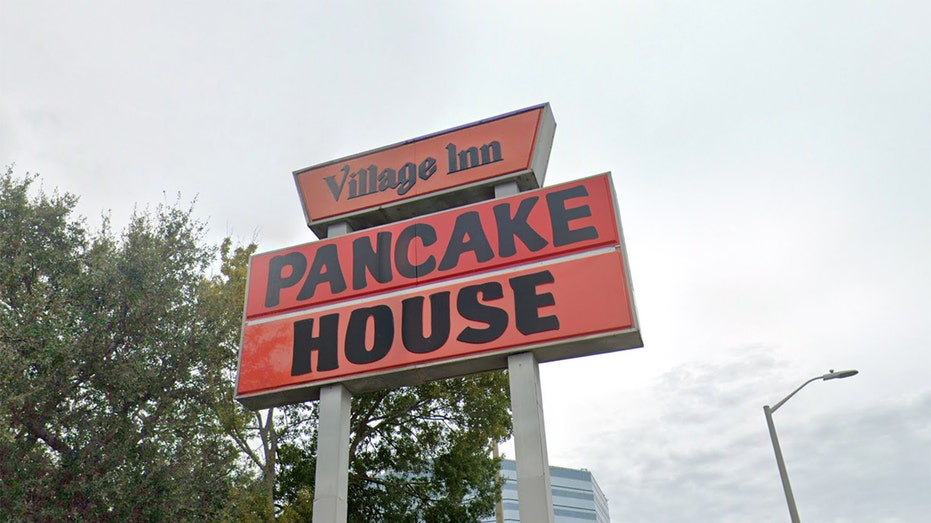
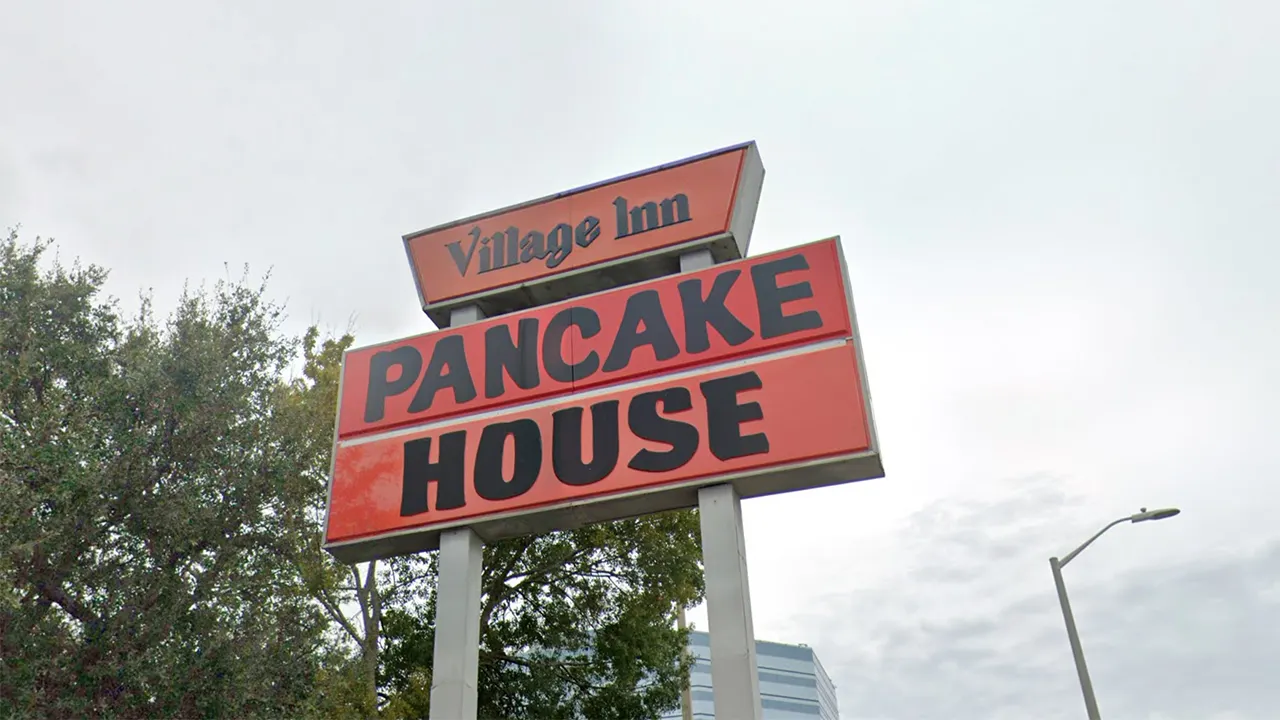
A Village Inn sign is shown here.(Google Maps)
Perhaps the most concerning aspect for the broader market and the Village Inn brand specifically is that this filing marks the fifth Chapter 11 bankruptcy by Village Inn franchisees operated by managing member Lloyd D. Lehan IV since June. This pattern, following Bay Pines Group LLC’s Chapter 11 petition last month, which also operates a Village Inn in Seminole, Florida, under Lehan’s ownership, suggests more than just an isolated business failure. It raises questions about the operational viability of these specific franchise units under their current management, the adequacy of support from the franchisor, or a more profound structural challenge facing the Village Inn brand in certain markets. While the franchise model offers rapid expansion and localized management, it also carries the risk of brand dilution or reputational damage when multiple franchisees experience distress. For potential and existing franchisees, this series of bankruptcies could signal heightened risks and necessitate a closer examination of the financial health and operational support provided by the franchisor, American Blue Ribbon Holdings, or its parent company.
The casual dining segment, where Village Inn operates, has been particularly vulnerable to shifting consumer preferences and economic pressures. Unlike fast-casual concepts that offer speed and perceived value, or fine dining establishments that cater to a less price-sensitive clientele, mid-market restaurants often struggle to differentiate themselves. The ongoing “restaurant recession” narrative, characterized by declining foot traffic and lower check averages, is compounded by consumers opting for either more affordable at-home dining or trading up to experiential dining. Village Inn, founded in Denver in 1958 and now boasting over 100 locations across several states, faces intense competition not only from direct rivals but also from the burgeoning ghost kitchen phenomenon and meal kit services.

The Oldsmar filing reportedly marks the fifth Chapter 11 bankruptcy by Village Inn franchisees operated by managing member Lloyd D. Lehan IV since June.(iStock)
The broader implications of such small business bankruptcies are significant. They can signal a weakening local economy, reduced tax revenues for state and federal governments, and increased bad debt for suppliers. The streamlined Subchapter V process was enacted precisely to help small businesses navigate these turbulent times, offering a more cost-effective and efficient path to reorganization compared to traditional Chapter 11. However, its increasing utilization also indicates a rising tide of small business distress, which is a critical bellwether for overall economic health.
The restaurant industry as a whole is in a period of intense transformation. Operators are grappling with technological adoption, labor shortages driving up wages and necessitating automation, and a constant need to innovate menus to attract and retain customers. For a legacy brand like Village Inn, these pressures are amplified, requiring significant investment in modernization and a clear value proposition to stay relevant. The silence from Village Inn, Lloyd D. Lehan IV, and the Oldsmar restaurant on these matters leaves market observers to piece together the full scope of challenges facing this segment.
CLICK HERE TO GET FOX BUSINESS ON THE GO
Market Impact:
The string of Village Inn franchisee bankruptcies, particularly the latest filing by VI Oldsmar LLC, sends cautionary signals across several market segments. For investors in publicly traded restaurant holding companies, it underscores the persistent margin pressure and operational fragility within the casual dining sector, potentially leading to downward revisions in earnings forecasts or increased scrutiny of franchise-heavy business models. Suppliers like US Foods and Sysco face elevated credit risk from restaurant clients, possibly leading to tighter lending terms or increased provisions for bad debt, impacting their own profitability. The repeated filings by a single managing member could trigger a reassessment of franchisee vetting processes and support mechanisms by franchisors, potentially leading to more stringent financial requirements for new operators. For commercial real estate investors, particularly those with exposure to retail centers housing casual dining establishments, these bankruptcies could increase vacancy rates and pressure rental income. Finally, for the broader economy, a rise in small business bankruptcies, even through streamlined processes like Subchapter V, indicates a persistent drag on local employment, tax revenues, and overall economic dynamism, suggesting that the inflationary and post-pandemic recovery challenges continue to ripple through the foundational layers of the U.S. economy.