
**Key Takeaways:**
* **Strategic Omnichannel Resurgence:** Toys R Us’s comeback, spearheaded by WHP Global, exemplifies a calculated omnichannel strategy, blending traditional standalone stores, innovative store-within-a-store concepts (Macy’s), and diversified touchpoints (airports, cruise ships). This multi-pronged approach aims to maximize brand exposure and capture diverse consumer segments beyond conventional retail channels.
* **Leveraging Brand Equity and Nostalgia:** The sustained consumer excitement for Toys R Us underscores the potent commercial value of legacy brands and the “nostalgia economy.” By tapping into deep-seated emotional connections, the brand can command customer loyalty and drive foot traffic, offering a unique value proposition amidst a highly competitive retail landscape.
* **Private Equity’s Role in Retail Turnarounds:** WHP Global’s successful revitalization of Toys R Us highlights the increasing role of brand management firms and private equity in identifying, acquiring, and strategically repositioning distressed retail assets. This model focuses on unlocking inherent brand value through operational efficiency, strategic partnerships, and adaptive retail formats, offering a blueprint for future brand resurrections.
Storch Advisors CEO Gerald Storch joins ‘Varney & Co.’ to discuss consumer resiliency during the holiday season and how retailers have dealt with the impact of tariffs.
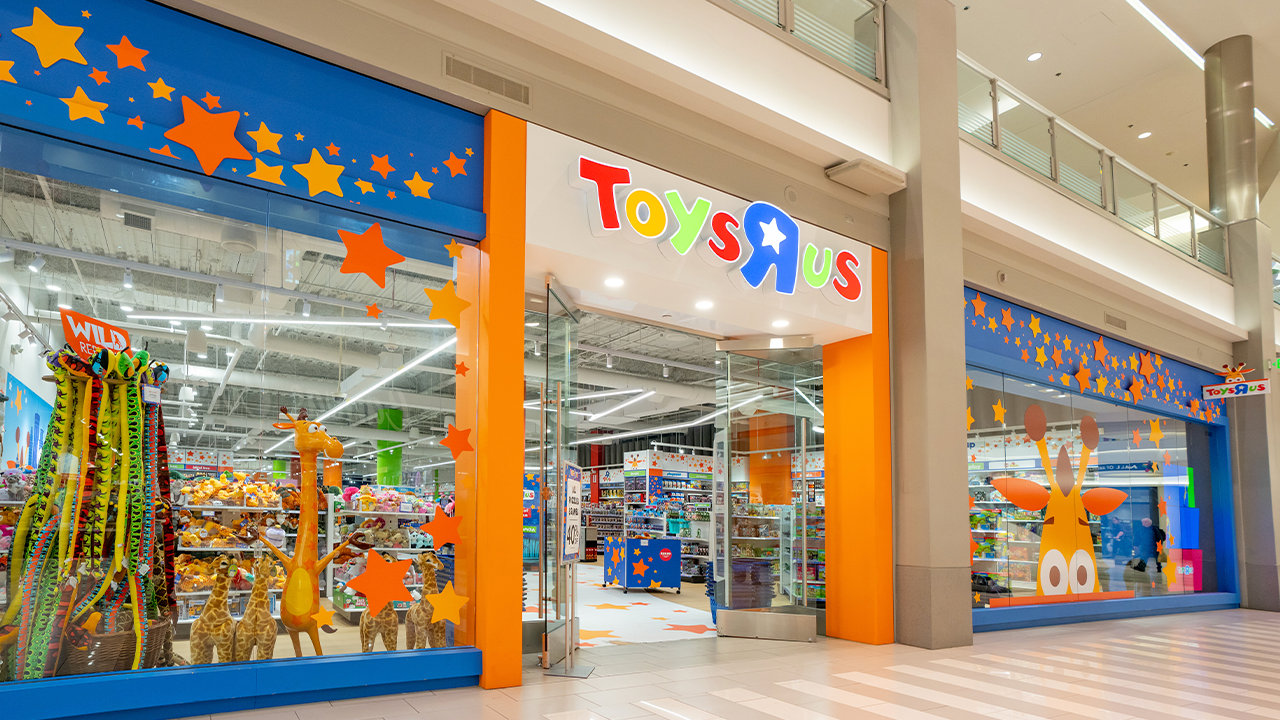
The anticipated return of Toys R Us to the Northridge Fashion Center in California’s San Fernando Valley isn’t merely a nostalgic footnote for former generations of consumers; it represents a compelling narrative of retail resilience, strategic brand revitalization, and the evolving dynamics of consumer engagement in a post-pandemic economy. As the iconic toy retailer continues to expand its physical footprint across the U.S., adding to a growing roster of over 30 standalone and flagship locations alongside its prominent presence within Macy’s stores, market observers are keenly watching this ambitious comeback as a bellwether for the broader retail sector.
Years after its dramatic 2017 Chapter 11 bankruptcy filing under the weight of $5 billion in debt and the subsequent shuttering of its U.S. operations in 2018, the resurrection of Toys R Us under the strategic stewardship of brand management firm WHP Global offers a potent case study. WHP Global acquired a controlling stake in March 2021, embarking on an aggressive strategy to leverage the brand’s immense equity and adapt its retail model for the modern era. This move signals a deeper trend in retail: the strategic acquisition and repositioning of legacy brands by private equity and brand management firms, aiming to extract value from powerful, albeit struggling, consumer connections by injecting fresh capital and innovative operational strategies.
Toys R Us and Babies R Us signage is displayed outside a retail location as shoppers walk through the parking lot. Toys R Us has continued rebuilding its brick-and-mortar presence since its 2017 bankruptcy and 2018 U.S. store closures.(RB/Bauer-Griffin/GC Images / Getty Images)
The consumer reaction to these new openings, particularly the fervent calls for “retro toy sections” and the resurrection of other beloved retailers like JoAnn’s and Payless, underscores the significant commercial power of nostalgia. In an increasingly digital and often impersonal retail landscape, brands that can evoke cherished childhood memories create a powerful emotional bond, translating into tangible consumer engagement and, crucially, sales. This “nostalgia economy” is a driving force, as evidenced by the sustained success of other retro-themed ventures like certain Pizza Hut locations and Cracker Barrel’s ability to maintain a loyal customer base, proving that emotional capital can be a valuable asset in attracting and retaining customers, particularly in a segment like toys where emotional connections are paramount.
Toys R Us’s journey back to prominence has not been without its detours. After its initial reemergence in November 2019 under Tru Kids Brands, two smaller-format stores opened in New Jersey and Texas, only to close in January 2021 amid the unprecedented challenges and shifts in consumer behavior brought on by the COVID-19 pandemic. This setback, however, appears to have informed a more robust and diversified expansion strategy. The subsequent opening of a 20,000-square-foot flagship at American Dream in New Jersey marked a renewed commitment to larger, experiential retail formats, which are crucial for a toy retailer aiming to create a memorable, immersive shopping experience for families that transcends mere transactional purchasing.
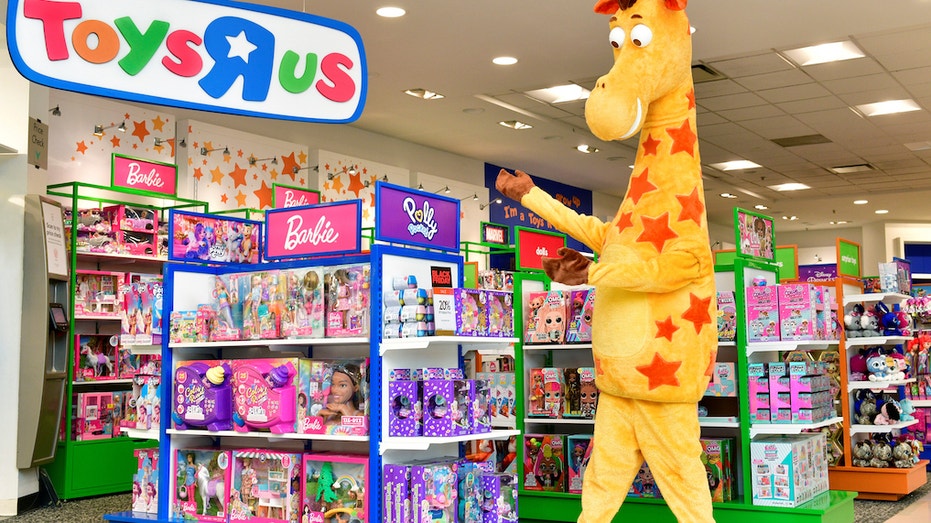
A view of Macy’s Toys R Us July 11, 2022, in Jersey City, N.J. (Eugene Gologursky/Getty Images for Macy’s, Inc / Getty Images)
Perhaps the most impactful strategic move in this comeback saga was the partnership forged with Macy’s in 2022. The launch of hundreds of Toys R Us shops inside Macy’s department stores nationwide was a masterstroke, offering a rapid, cost-effective way to regain widespread physical presence and leverage an existing retail infrastructure. This “store-within-a-store” model provides symbiotic benefits: Macy’s gains a significant boost in foot traffic and a proven performer in the toy category, diversifying its merchandise mix and appealing to younger families. Meanwhile, Toys R Us benefits from immediate national visibility and access to a broad customer base without the substantial capital expenditure and operational complexities of building hundreds of standalone stores from scratch. Macy’s Chief Merchandising Officer Nata Dvir highlighted this synergy, and the reported 15-fold increase in Macy’s toy sales during the first quarter of fiscal 2022, compared to the comparable period before the partnership, unequivocally validates the strategy’s commercial success. This collaboration serves as a blueprint for how legacy department stores can rejuvenate their offerings and attract new demographics through strategic brand alliances, turning potential liabilities (excess store space) into profitable assets.
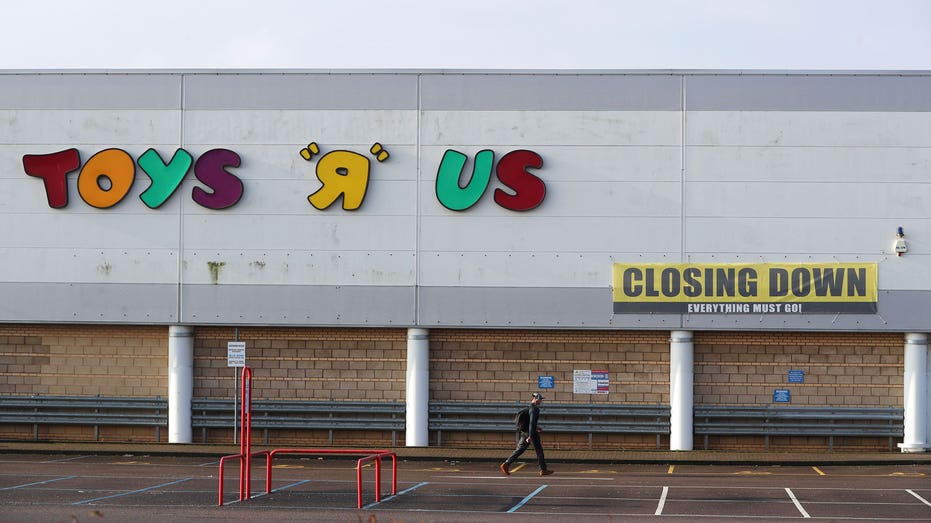
Closing signs outside the Toys R Us store in Coventry, Britain, March 13, 2018.(Reuters/Hannah McKay / Reuters)
The “air, land and sea” expansion strategy, unveiled by WHP Global in 2023 in partnership with Go! Retail Group, further underscores the brand’s commitment to an innovative omnichannel approach. This initiative extends the brand’s reach beyond traditional mall environments, encompassing airport stores (like the one at Dallas Fort Worth International Airport) and even cruise ships. This diversification is critical in today’s fragmented retail landscape, where consumers interact with brands across multiple touchpoints. By meeting customers where they are – whether during travel or leisure – Toys R Us aims to capture discretionary spending in non-traditional settings, solidifying its presence as a truly pervasive retail brand. WHP Global Chairman and CEO Yehuda Shmidman’s assertion that the brand’s global retail footprint had increased by over 50% since acquisition, now boasting more than 1,400 stores and e-commerce sites across 31 countries, speaks volumes about the aggressive and successful execution of this multifaceted growth strategy, demonstrating a sophisticated understanding of modern consumer journeys.
The current retail environment, characterized by persistent inflationary pressures and shifting consumer spending habits, makes the Toys R Us comeback particularly noteworthy. While consumers may be more discerning with their discretionary income, the toy industry often exhibits a degree of resilience, particularly around key gifting seasons like the holidays. The brand’s ability to drive traffic and sales, even in a challenging economic climate, points to the enduring power of its emotional appeal and the strategic positioning of its new retail formats. The Northridge opening, a traditional mall location, signals continued confidence in brick-and-mortar retail’s ability to draw consumers seeking experiential shopping, especially for categories like toys where discovery, interaction, and immediate gratification are key purchasing drivers. This strategic balance between experiential flagships, accessible department store integrations, and novel travel retail points positions Toys R Us to capture a broad spectrum of the market.
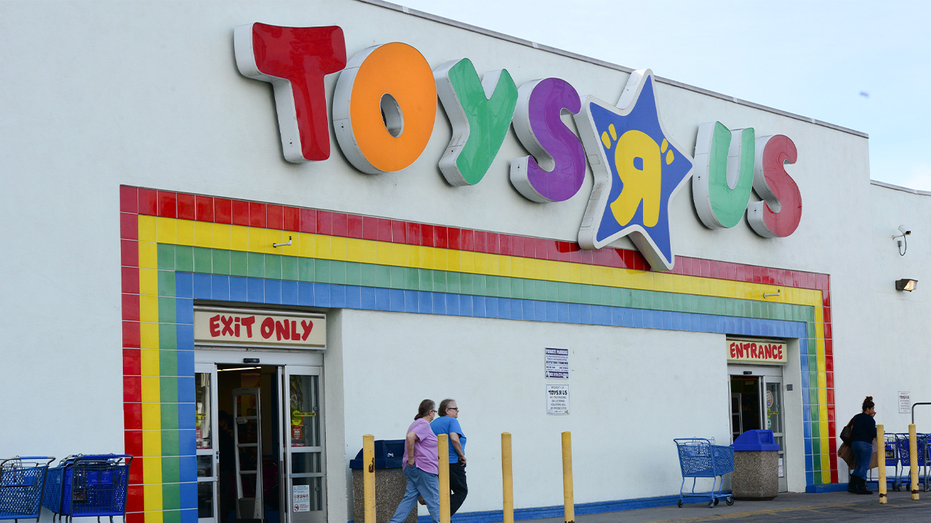
A classic Toys R Us store displays the iconic multicolored logo above its entrance. The toy retailer is expanding its brick-and-mortar presence in the U.S. years after shuttering its stores nationwide.(Bauer-Griffin/GC Images / Getty Images)
The ongoing expansion of Toys R Us, with over 30 standalone flagships complementing its Macy’s presence, signifies a meticulously planned and aggressively executed strategy to reclaim its market position. It reflects a broader industry trend where physical stores are no longer just transaction points but crucial brand touchpoints, offering immersive experiences that e-commerce alone cannot replicate. For a brand synonymous with generations of childhood wish lists, this rebuild is not just about selling toys; it’s about rebuilding a cultural touchstone and proving that with the right strategic vision, adaptive retail models, and robust financial backing, even a fallen retail giant can find new life and thrive in a dynamically evolving market.
Fox News Digital reached out to Toys R Us and Northridge Fashion Center for comment.
Market Impact:
The successful revitalization of Toys R Us by WHP Global has significant implications across several market segments. For the broader retail sector, it underscores the enduring value of strong brand equity and the potential for strategic omnichannel approaches to revive distressed assets. This model could inspire further private equity investment in legacy brands, signaling a potential shift in how retail turnarounds are executed and highlighting the lucrative nature of brand management as an investment strategy. Mall REITs and shopping center developers, like those managing Northridge Fashion Center, stand to benefit from the increased foot traffic and renewed tenant interest that an iconic brand like Toys R Us can generate, potentially bolstering occupancy rates, rental income, and overall property valuations. For the toy manufacturing industry, a thriving Toys R Us provides a dedicated, large-scale distribution channel that complements existing big-box and e-commerce giants, fostering a more diversified and competitive landscape for toy sales. The proven success of the Macy’s partnership could also encourage other department stores to explore similar “store-within-a-store” collaborations, driving innovation in retail partnerships as they seek to leverage underutilized space and attract new customer demographics. Ultimately, the sustained success of Toys R Us could lead to a highly profitable exit for WHP Global, either through an IPO or sale, setting a precedent for future brand revival investments and demonstrating the long-term value creation possible in a segment often deemed challenging by traditional investors.
CLICK HERE TO DOWNLOAD THE FOX NEWS APP