
Check out what’s clicking on FoxBusiness.com.
Key Takeaways:
- Federal regulators announced a recall of 302 boxes of Martina-brand mangoes sold at select Walmart stores in four Northeastern states due to potential salmonella contamination.
- While the direct financial impact on retail giant Walmart (WMT) is minimal, the incident highlights the persistent challenges in global food supply chain integrity and the critical importance of rigorous food safety protocols for importers like Panorama Produce.
- The recall underscores the ongoing reputational risks and regulatory scrutiny faced by the fresh produce industry, impacting consumer confidence and potentially driving operational cost increases for compliance.
Federal regulators announced Friday a targeted recall impacting hundreds of boxes of mangoes sold at Walmart stores, citing potential salmonella contamination. This incident, while specific in scope, shines a spotlight on the intricate vulnerabilities within the global fresh produce supply chain and the continuous regulatory vigilance required to protect public health and maintain consumer trust in the food market.
At least 302 boxes of Martina-brand mangoes, imported by Panorama Produce, are included in the recall initiated following an alert from the Food and Drug Administration (FDA). The affected produce, packaged in nine-count boxes containing large mangoes, represents a contained but significant food safety concern for consumers in the targeted regions.
The recalled mangoes were distributed and sold at select Walmart locations across New York, New Jersey, Pennsylvania, and Connecticut. For a retail behemoth like Walmart, with its expansive national and international footprint, such a localized recall typically does not register as a material financial event. However, it serves as a critical stress test for its supply chain resilience, quality control partnerships, and rapid response capabilities, all factors closely monitored by investors and market analysts.
The safety alert was triggered after FDA testing reportedly detected salmonella in mangoes grown on the same farm as the recalled fruit. Crucially, the mangoes that tested positive for the bacteria were prevented from entering U.S. commerce, demonstrating the effectiveness of pre-distribution screening protocols. Nevertheless, the shared source prompted Panorama Produce to proactively initiate the recall for distributed product, a move indicative of increasing industry responsibility and regulatory pressure.
NEARLY 25K POUNDS OF FROZEN BUFFALO CHICKEN RECALLED OVER INSPECTION LAPSE
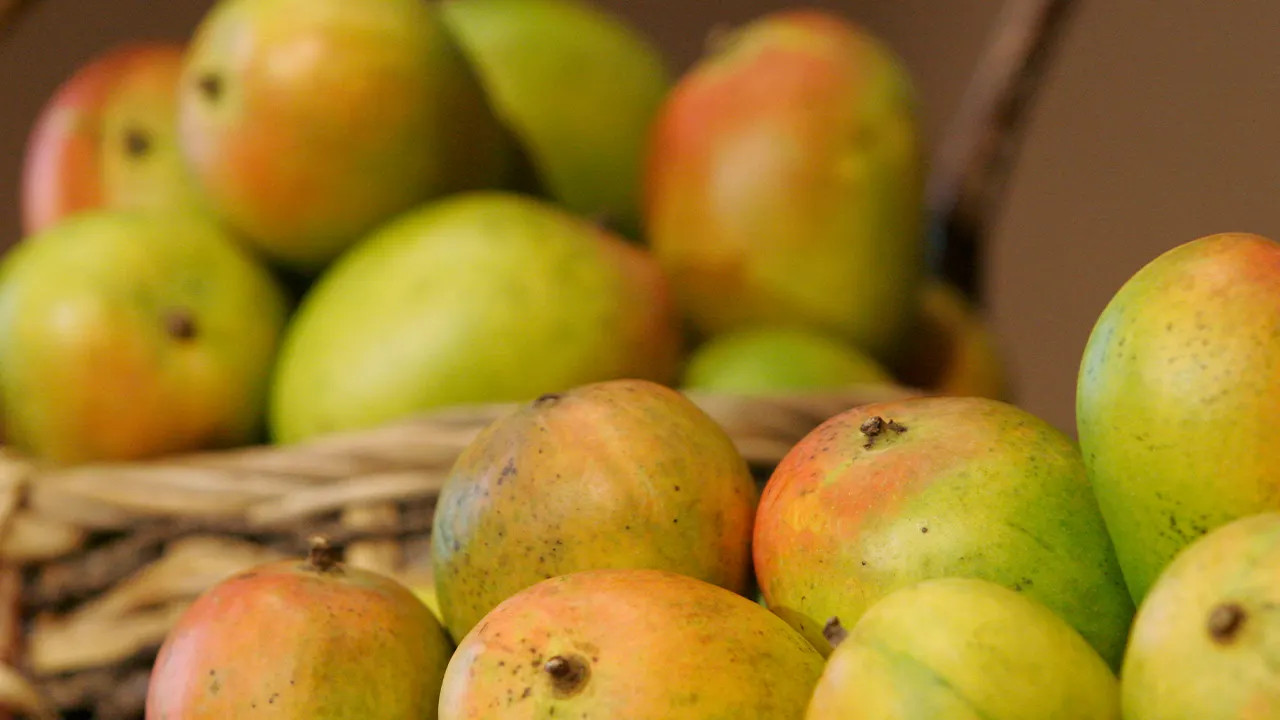
The FDA recalled 302 boxes of Martina mangoes sold at select Walmart stores.(Food and Drug Administration / Fox News)
“The recalled mangoes and the sampled mangoes share the same source, therefore Panorama Produce has initiated a recall,” the notice stated. This “shared source” contamination highlights the systemic risks associated with agricultural practices and the challenges of ensuring sterility from farm to fork, especially when dealing with perishable goods sourced from international suppliers.
No illnesses have been reported in connection with the recalled mangoes to date, which is a positive factor for both Panorama Produce and Walmart, mitigating the immediate public health crisis and potential liability claims. However, the inherent risk of salmonella, known for causing severe gastrointestinal distress and potentially life-threatening infections in vulnerable populations, underscores the gravity of such recalls.
The affected mangoes are identifiable by a light blue Agrofepac sticker, labeled “Produce of Mexico,” and bear PLU number 4584 and UPC number 07503061948050. These traceability markers are crucial elements of modern supply chain management, allowing for precise identification and removal of contaminated products from the market, thereby limiting the scope of a recall and minimizing broader market disruption. The mangoes were distributed between August 10 and August 21, indicating a relatively narrow window of exposure, which aids in containing the incident.
| Ticker | Security | Last | Change | Change % |
|---|---|---|---|---|
| WMT | WALMART INC. | 104.87 | +1.78 | +1.73% |
Consumers are urged to discard the recalled mangoes or return them to the place of purchase to avoid potential health risks. This consumer action is critical not only for public safety but also for the involved companies to demonstrate accountability and minimize further exposure. Any individual who believes they may have become ill after consuming the product is advised to contact a health care provider, a standard protocol in foodborne illness incidents.
BETTER BAKEHOUSE RECALLS CHOCOLATE-DIPPED DONUTS FOLLOWING ALLERGIC REACTION, MISLABELING ISSUE
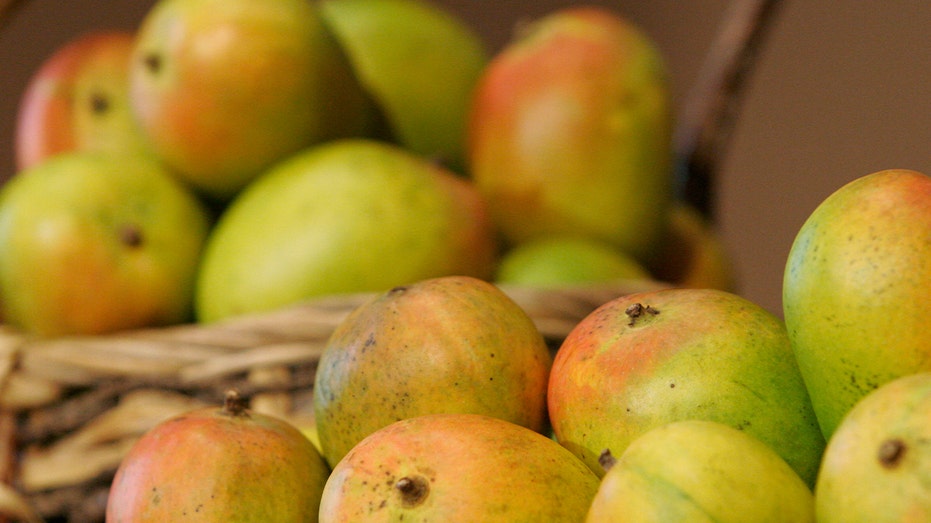
FILE — The recalled mangoes were sold in nine-count boxes and distributed between Aug. 10 and Aug. 21.(SAUL LOEB/AFP / Getty Images)
“Panorama Produce is an experienced produce importer committed to a strong focus on food safety. This recall is being conducted voluntarily and in coordination with the U.S. Food and Drug Administration,” the company stated, as relayed by regulators. This statement aims to reassure the market and partners that the company takes its responsibilities seriously, a crucial element in managing reputational damage and maintaining business relationships in the highly competitive fresh produce import sector. The financial implications for Panorama Produce could be more significant than for Walmart, potentially involving direct losses from discarded product, investigative costs, heightened scrutiny from retail partners, and the potential for renegotiated contracts or sourcing shifts.
Consumers with further questions about the recall can contact Panorama Produce by email at information@panoramaproduce.com Monday through Saturday from 9 a.m. to 7 p.m. ET. This direct line of communication is essential for customer service and for gathering potential reports of illness, which could escalate the recall’s severity and market impact.
Salmonella is a pervasive concern in food safety, capable of causing serious and sometimes fatal infections, particularly in vulnerable demographics such as young children, the elderly, and individuals with compromised immune systems. Healthy individuals may experience common symptoms including fever, diarrhea, nausea, vomiting, and abdominal pain. In rare but severe instances, the infection can disseminate into the bloodstream, leading to more critical health complications like arterial infections, endocarditis, and arthritis, amplifying the potential for significant medical and legal repercussions for implicated parties.
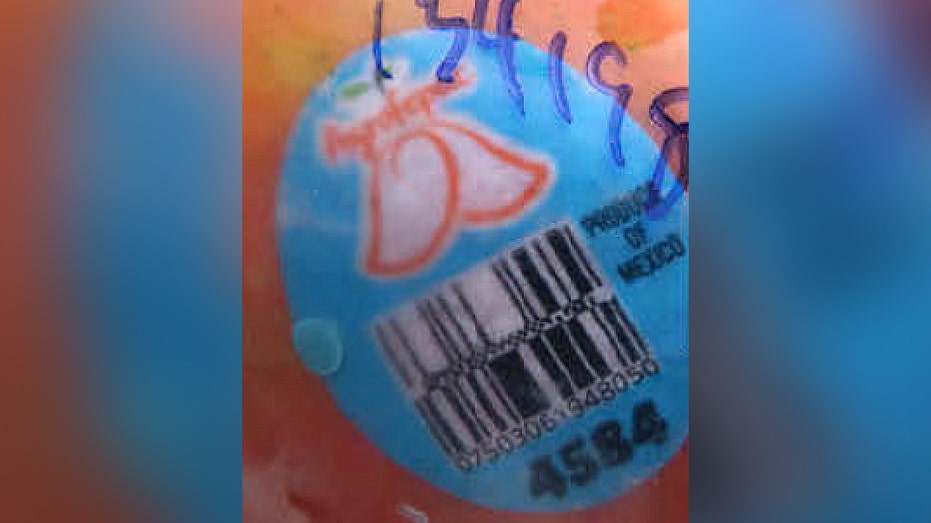
The Walmart mango recall affects nine-count boxes of Martina-brand mangoes with a Mexico label, Agrofepac sticker and UPC number 07503061948050.(Food and Drug Administration / Fox News)
CLICK HERE TO GET FOX BUSINESS ON THE GO
Market Impact:
For Walmart (WMT), a recall of 302 boxes of mangoes is an infinitesimally small blip on its vast operational radar, unlikely to move its stock price or impact its quarterly earnings in any measurable way. The stock’s performance around such news typically reflects broader market trends rather than isolated product recalls. However, for investors, this event serves as a reminder of the latent reputational risks associated with food retailers, even those with robust supply chains. A series of such incidents, or a single, large-scale recall causing widespread illness, could erode consumer trust and invite more stringent regulatory oversight, potentially increasing compliance costs across the industry. For Panorama Produce, the immediate financial impact is more direct, including the cost of the recalled product, logistics for returns, and potential damage to its brand reputation among retailers and consumers. Such events can lead to tighter sourcing requirements from major retailers, potentially impacting future contracts and market share for smaller, specialized importers. Broader market implications for the produce industry include increased scrutiny on imported goods, particularly from regions with historically variable food safety standards, and a potential uptick in demand for domestically sourced or “locally grown” produce as consumers prioritize perceived safety over price or availability.