
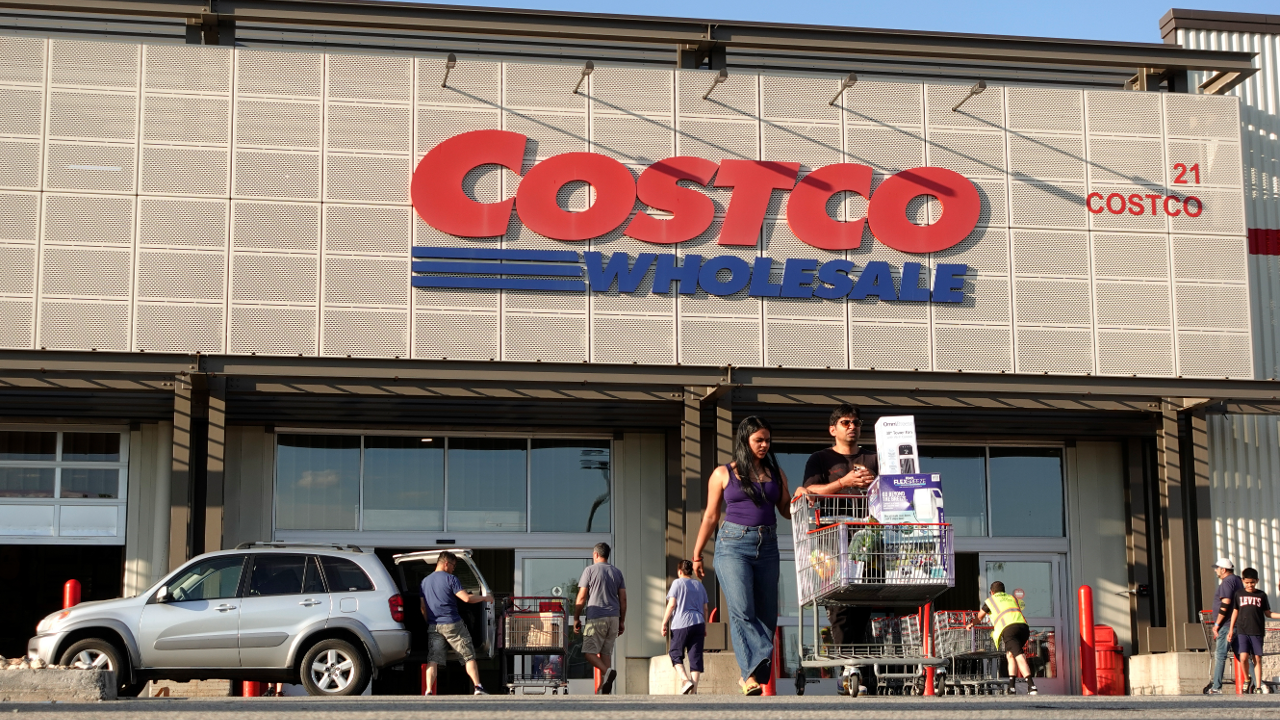
FOX Business hosts and guests weigh in on a series of tech outages affecting Americans nationwide.
**Key Takeaways:**
1. **Tech Vulnerability Drives Consumer Behavior:** Recent high-profile tech outages, from enterprise software to air traffic control, have significantly accelerated consumer spending on emergency preparedness, most notably at big-box retailers like Costco. This signals a heightened and increasingly mainstream anxiety regarding the reliability of modern digital and physical infrastructure.
2. **Retail Sector Resilience & Opportunity:** Costco’s impressive double-digit U.S. sales growth, a level not seen since mid-2022, underscores the strategic advantage of retailers capable of providing bulk essentials and high-ticket preparedness items during perceived crises. This trend offers a bullish signal for warehouse clubs and discount retailers adept at agile inventory management.
3. **Shifting Investment Focus Towards Preparedness:** Analyst upgrades, like Mizuho’s raised price target for Costco, reflect a market recognition of companies benefiting from shifts in consumer priorities towards resilience and self-sufficiency. Investors are increasingly looking at retailers with strong supply chains and diverse product offerings that can capitalize on evolving consumer anxieties and macro-level uncertainties.
—
**Consumer Anxiety Fuels Surge in Emergency Preparedness Spending, Boosting Retail Giants**
In a stark illustration of how systemic vulnerabilities can rapidly translate into tangible shifts in consumer spending, Americans are reportedly rushing to stockpile emergency supplies and backup power equipment. This wave of “panic buying” follows a series of high-profile tech outages that have disrupted daily life and sparked widespread concerns about the fragility of modern infrastructure. The trend is yielding unexpected financial windfalls for retail giants, particularly those specializing in bulk goods and preparedness items.
According to a new report from Mizuho Securities analyst David Bellinger, disruptions such as last week’s global Microsoft Outlook outage and the unprecedented nationwide ground stop of all U.S. airline flights have acted as potent catalysts, triggering a sudden surge in emergency preparedness shopping at the retail behemoth, Costco. The report, released on Monday, painted a vivid picture of this phenomenon: about 21 of the 26 high-ticket generators Costco offers on its website were completely sold out as of Sunday night. Among the wiped-out inventory were massive whole-home backup systems, with some models priced as high as nearly $7,000, indicating a significant commitment from consumers to self-reliance.
Americans have been rushing to stock up on emergency supplies and backup power equipment in a wave of panic buying, according to a new report.(Gary Hershorn/Getty Images)
Bellinger directly linked this buying spree to a confluence of anxieties. “Consumer anxiety following the Microsoft Outlook outage, the ground stoppage for all U.S. airline flights, and apocalyptic concerns flaring up across social media have all contributed to increased emergency prep sales at [Costco],” Bellinger stated. This insight suggests that while direct disruptions are immediate triggers, an underlying current of broader societal unease, amplified by rapid information dissemination on social media, is accelerating consumer responses. This phenomenon goes beyond mere inconvenience, tapping into deeper fears about the resilience of essential services and the economic stability they underpin.
The ripple effect of this heightened demand is clear in Costco’s performance. The buying spree has helped put the warehouse club on pace for rare double-digit U.S. sales growth this month, marking a level not seen since mid-2022. This specific timeframe is crucial for market context; mid-2022 was characterized by peak inflationary pressures and lingering supply chain disruptions from the pandemic, which also spurred significant consumer stockpiling. The current resurgence of this behavior, albeit driven by different catalysts, indicates a return to defensive consumer spending patterns. Alongside backup generators, shoppers are also aggressively “pantry-loading” on bulk essentials ahead of the holiday season, further suggesting a blend of preparedness and strategic shopping in anticipation of potential future disruptions or price increases.
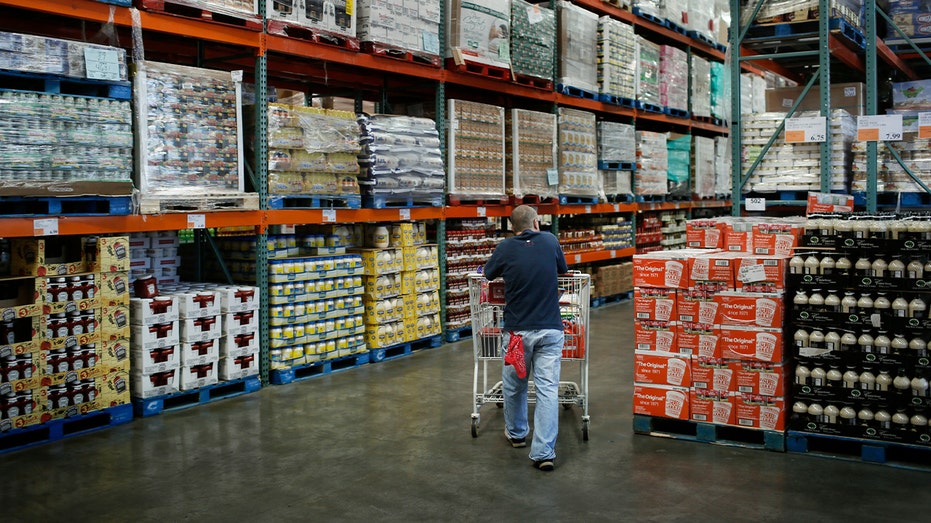
About 21 of the 26 high-ticket generators Costco offers on its website were completely sold out as of Sunday night, the report noted.(Victor J. Blue/Bloomberg via Getty Images)
Recognizing the strength of this trend and Costco’s position to capitalize on it, Bellinger raised his price target on Costco shares from $1,100 to $1,150. This upward revision by a prominent analyst signals increased confidence in Costco’s near-term revenue trajectory and its capacity to sustain robust sales amidst a challenging broader economic landscape. The analyst further noted that other major retailers with similar business models and product offerings, including Walmart and Sam’s Club, are also likely to see a comparable boost from consumers prioritizing preparedness and value. This suggests a sector-wide tailwind for discount retailers and warehouse clubs, potentially diverting consumer spending from discretionary categories to essential and preparatory goods.
| Ticker | Security | Last | Change | Change % |
|---|---|---|---|---|
| COST | COSTCO WHOLESALE CORP. | 1,093.83 | -2.79 | -0.25% |
The recent outages underscore a critical vulnerability in our increasingly interconnected world. On November 12, a software bug introduced in July went undetected until heavy traffic and reduced server capacity triggered a chain reaction during peak U.S. business hours. According to Microsoft executive Charles Lamanna, the flaw disrupted Outlook email, calendars, and meeting invitations worldwide, affecting countless businesses and individuals reliant on these critical communication tools. Lamanna apologized on X (formerly Twitter) for the significant disruption to customers’ business operations, highlighting the profound economic cost of such technical failures.
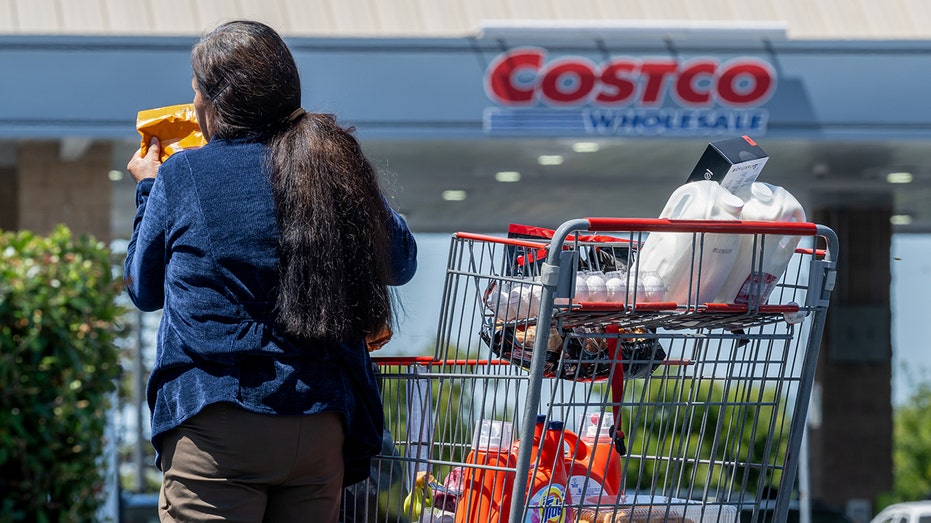
Alongside backup generators, shoppers are also aggressively “pantry-loading” on bulk essentials ahead of the holiday season, as noted in the report.(David Paul Morris/Bloomberg)
The following day, the nation experienced another widespread technical failure when a tech issue linked to FAA router installations forced a nationwide ground stop of all U.S. airline flights. In a Q&A published Sunday, the FAA stated that the stoppage led airlines to cancel roughly 12,462 flights – including 9,082 canceled by major carriers out of an abundance of caution. This event had far-reaching economic implications, impacting travel, logistics, and countless businesses reliant on air transport. The FAA has since paused further router installations while it investigates the root cause, but the incident served as a stark reminder of the delicate balance maintaining critical infrastructure.
These events, while seemingly isolated, collectively paint a picture of an economy and society increasingly susceptible to technological failures. The consumer response, particularly the aggressive investment in emergency preparedness, indicates a growing realization among the populace that self-reliance is becoming a necessary component of modern living. For retailers like Costco, this translates into a strategic opportunity to cater to this evolving consumer mindset, reinforcing their role as essential providers not just of everyday goods, but of peace of mind.
FOX Business reached out to Costco for comment.
GET FOX BUSINESS ON THE GO BY CLICKING HERE
*FOX Business’ Eric Revell and Stepheny Price contributed to this report.*
—
**Market Impact:**
The surge in emergency preparedness spending, catalyzed by recent tech outages, carries significant implications across several market sectors. For **retail**, particularly warehouse clubs and big-box stores like Costco, Walmart, and Sam’s Club, this trend represents a strong demand driver, bolstering sales figures and potentially elevating investor confidence in their ability to perform defensively during uncertain times. The focus on high-ticket items like generators also suggests a higher average transaction value, benefiting top-line revenue. For the **tech sector**, these outages highlight the critical need for increased investment in infrastructure resilience, cybersecurity, and redundancy solutions, potentially creating new market opportunities for companies specializing in these areas. However, it also places greater scrutiny on service reliability, impacting investor sentiment towards firms perceived as vulnerable. The **logistics and travel industries** face ongoing challenges from such disruptions, impacting airline profitability and supply chain efficiency, demanding robust contingency planning and potentially influencing long-term investment in infrastructure upgrades. Overall, this trend signals a subtle but significant shift in consumer priorities, with implications for product development, inventory management, and marketing strategies across various industries, as businesses adapt to a populace increasingly focused on preparedness and self-sufficiency in an unpredictable world.