
Ed Yardeni, President of Yardeni Research, discusses income tax reimbursements and the economic trajectory on Making Money.
During this current tax submission period, a novelfiscal incentiveis being offered to individuals with auto financing for automobiles fulfilling particular criteria.
Last year, the One Big Beautiful Bill Act (OBBBA), ratified by PresidentDonald Trumpafter being approved by Congress through the budget reconciliation mechanism employed by Republicans, incorporated a stipulation permitting vehicle loan interest to be subtracted under particular situations.
Regarding the execution of the OBBBA’s “No Tax on Car Loan Interest” clause, the IRS published instructions. This stipulation is relevant for borrowings secured to acquire brand-new private automobiles – not business or commercial vehicles – domestically manufactured post-December 31, 2024. Rental installments are ineligible.
Individuals whose vehicle financing is eligible for the interest write-off are permitted to subtract up to $10,000 annually. This write-off is accessible both to those who detail their expenses and to those who opt for the standard deduction on their tax return.
FINANCE DEPARTMENT EXECUTING TRUMP’S VEHICLE LOAN INTEREST FISCAL RELIEF: ‘RETURNING FUNDS TO INDIVIDUALS’
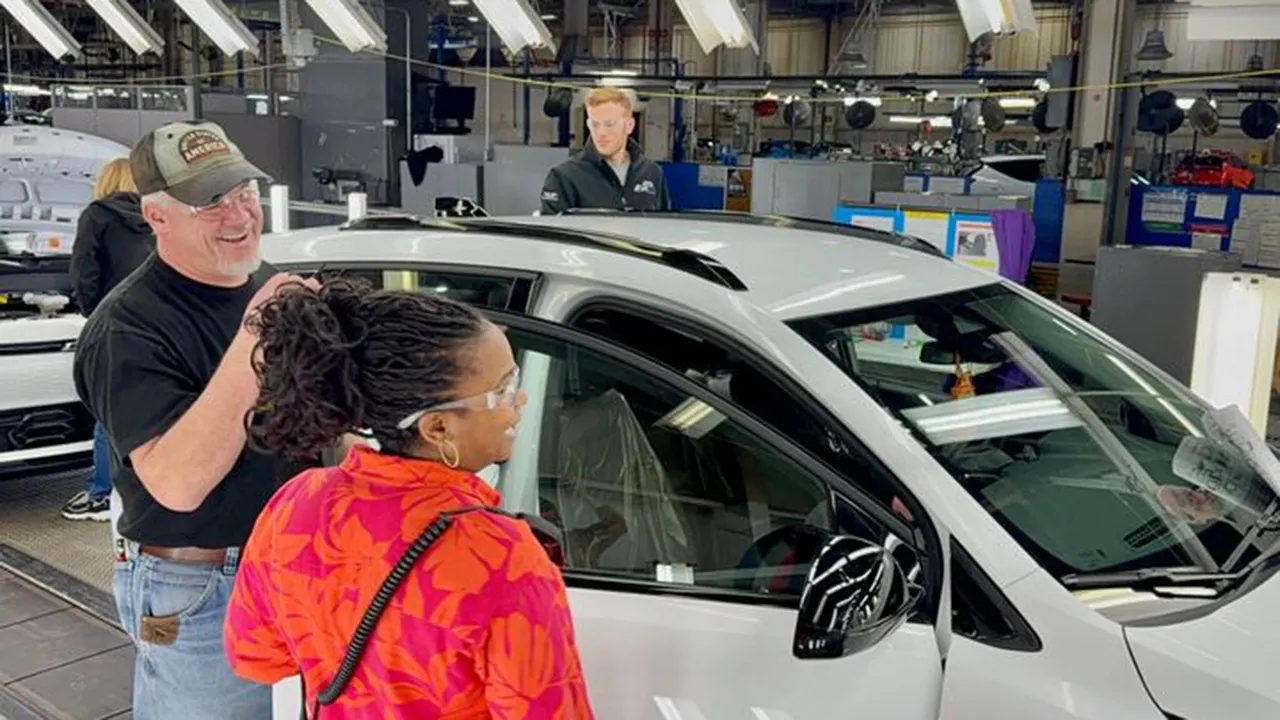
For qualifying vehicle financing, the vehicle loan interest write-off is effective retrospectively to the 2025 tax year.(Daniel Acker/Bloomberg via Getty Images)
This deduction is contingent uponearnings thresholds. It gradually diminishes for affluent filers whose modified adjusted gross income surpasses $100,000 for individual applicants or $200,000 for married couples filing jointly.
Similar to other fiscal write-offs, the vehicle loan interest deduction diminishes an individual’s assessable earnings by the reported sum of interest paid, up to the $10,000 yearly cap. This implies that the realizedfiscal benefitswill be less significant than the stated value of the tax deduction.
TRUMP PROMOTES POSSIBLE 20% FISCAL REBATES FROM ‘BIG BEAUTIFUL BILL’
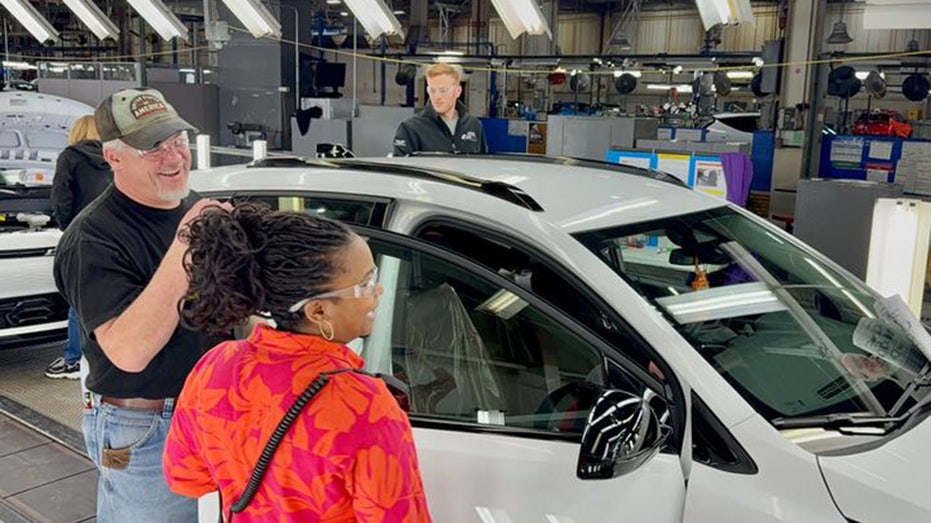
Individuals requesting the write-off must furnish their vehicle’s VIN upon submitting their tax return.(General Motors)
According to the OBBBA’s provisions, the vehicle loan interest write-off solely applies to automobiles that had theirultimate construction in the U.S.
To authenticate that an automobile’s last stage of production occurred in the U.S., individuals are advised to examine one of these sources: the car’s sticker at the retailer, the vehicle identification number (VIN), or the National Highway Traffic Safety Administration’s VIN Decoder, which confirms the vehicle’s ultimate production site.
Individuals are required to furnish the vehicle’s VIN on their tax return for every year they request the write-off.
AUTOMOBILE RETAILERS CAUTIONED BY FTC REGARDING MISLEADING COST STRATEGIES, UNDISCLOSED CHARGES
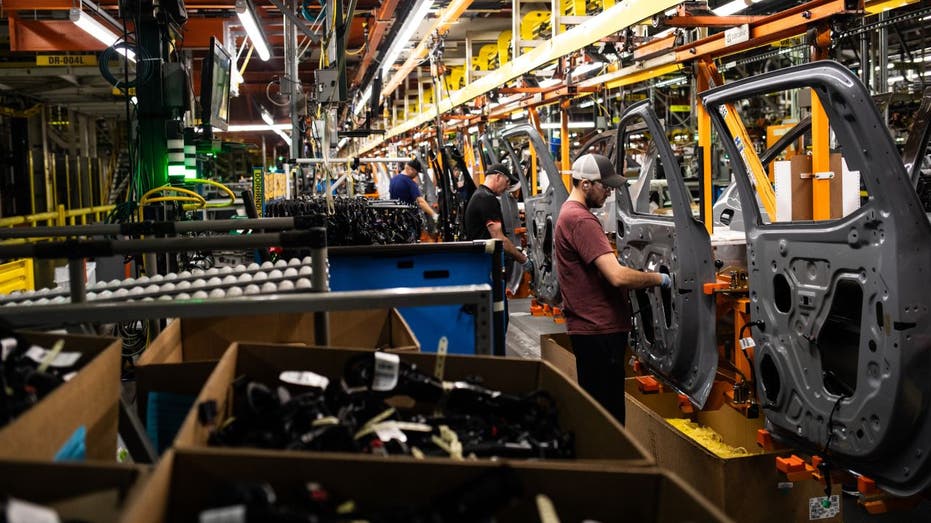
Recent automobiles ultimately manufactured in the U.S. qualify for the write-off.(Photographer: Emily Elconin/Bloomberg via Getty Images)
Should an eligiblevehicle creditbe subsequently restructured, the accrued interest on the re-secured loan would typically qualify for the write-off.
This write-off is effective retrospectively to the 2025 tax year, implying its applicability to qualifying vehicle financing interest installments accrued post-December 31, 2024.
The OBBBA comprised severaltransient fiscal stipulationsset to expire following a few years, designed to ensure the bill’s adherence to Congress’ legislative harmonization guidelines.
ACCESS FOX BUSINESS REMOTELY BY CLICKING HERE
The vehicle loan interest write-off was among these transient stipulations, slated to persist until the close of 2028, at which point it will expire unlesslawmakerslegislate to prolong the measure.