
Check out what’s clicking on FoxBusiness.com.
**Key Takeaways**
1. **Brand Erosion & Subscription Vulnerability:** The recall by Years underscores the acute reputational risk for direct-to-consumer (DTC) subscription brands, where customer trust, especially in premium segments like pet food, is the primary currency. A product safety issue can trigger immediate churn and long-term brand damage, directly impacting recurring revenue models.
2. **Supply Chain Scrutiny & Ingredient Risk:** The suspected link to buckwheat highlights the growing importance of rigorous supply chain transparency and quality control, even for seemingly innocuous ingredients. Companies in the burgeoning fresh pet food market must navigate complex global supply chains, where the integrity of every component can have significant financial and brand implications.
3. **Market-Wide Ripple Effects:** This incident could prompt increased regulatory oversight and heightened consumer skepticism across the high-growth “fresh” and “natural” pet food sectors. Competitors may face pressure to review their own ingredient sourcing and testing protocols, potentially increasing operational costs and influencing investor sentiment for the entire segment.
A leading U.K.-based fresh dog food company, Years, is grappling with a significant product recall impacting nearly its entire line of fresh meals. This move comes after the subscription service received 192 reports of potential eye problems in dogs, including keratoconjunctivitis sicca (KCS), a condition that can lead to permanent vision loss if severe and untreated. For a company built on a direct-to-consumer model and the promise of premium, fresh nutrition, this crisis presents a substantial challenge to its brand equity and financial trajectory.
Years, which proudly served approximately 40,000 customers this year, is currently investigating buckwheat as a possible contributing factor, including whether a specific batch of its buckwheat supply may have been contaminated. While the company maintains that no causal link between its food, buckwheat, and the reported eye problems has been definitively established, with laboratory and toxicology testing still underway, the proactive recall signals a critical risk assessment by management concerning both animal welfare and business continuity. The financial ramifications of such an event for a rapidly scaling startup cannot be overstated, encompassing immediate revenue loss, extensive investigative costs, and long-term brand rehabilitation efforts.
As of Tuesday, the escalation to 192 reported cases of potential eye issues, including the sudden bilateral dry eye characteristic of KCS, forced the company’s hand. KCS specifically causes dogs’ eyes to cease producing sufficient tears, resulting in irritation, redness, and discomfort. This health concern directly impacts the core promise of a premium pet food – enhanced well-being – and puts the company’s relationship with its customer base, which relies on trust and product efficacy, under immense strain.
FROZEN DOG FOOD RECALLED OVER SALMONELLA CONTAMINATION THAT LED TO MULTIPLE PET ILLNESSES
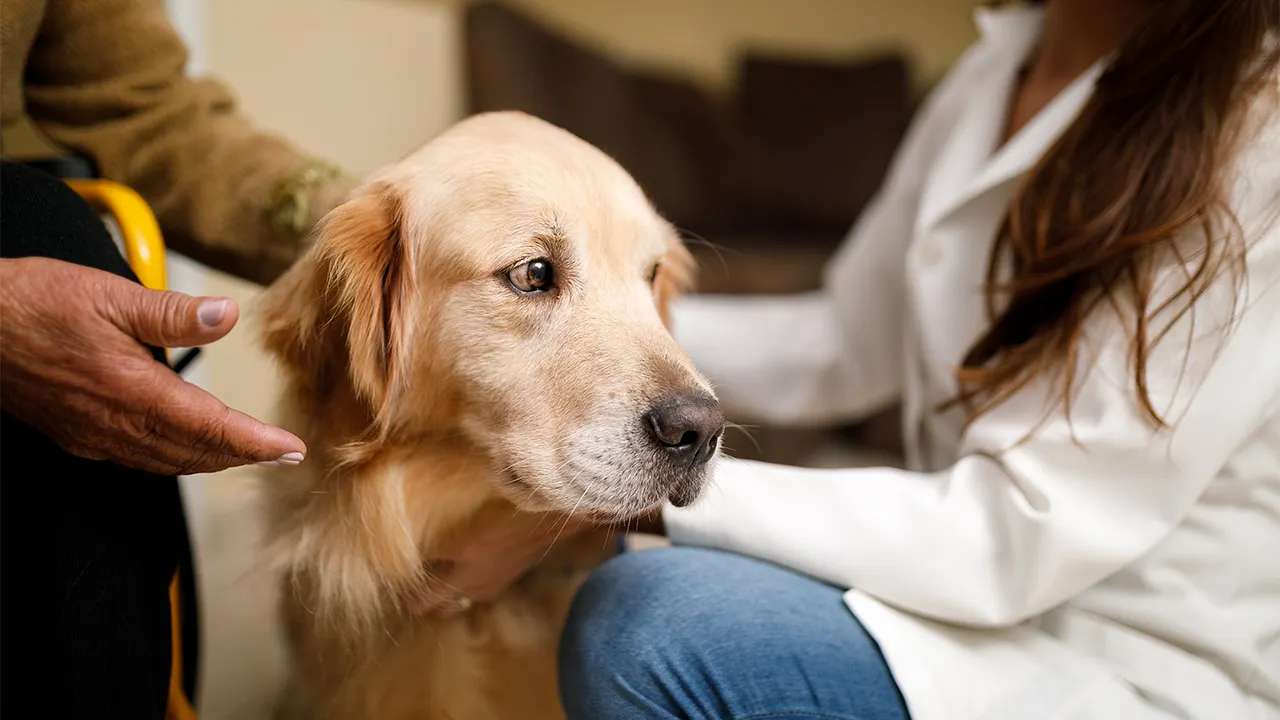
Years is pulling nearly all fresh meals while testing continues into buckwheat after a surge in reported canine eye issues.(iStock / iStock)
Tears are vital for lubricating and protecting the eye’s surface. Untreated KCS can lead to severe complications such as corneal ulcers, scarring, and other damage, potentially culminating in irreversible vision loss. The company first observed a surge in reports of eye issues only a few weeks ago, stating, “In late July, we began receiving multiple reports of dogs experiencing sudden, bilateral dry eye.” By August 16, the identified 57 suspected cases, initially representing a mere 0.1% of their year-to-date customer base, had clearly become a critical mass warranting drastic action.
The initial assessment from an independent veterinarian and specialist in small animal clinical nutrition on August 1 suggested a link to the food was unlikely, based on the information available at the time. However, the rapidly rising case numbers, coupled with input from customer advocates and ophthalmologists, and “growing evidence around buckwheat,” compelled Years to undertake a sweeping recall. This decision, affecting all fresh meals except its ultra-premium Chef’s Collection, highlights the delicate balance companies must strike between initial scientific assessment and rapidly evolving customer concerns and potential public relations fallout. Proactive recalls, while costly in the short term, are often seen as crucial for preserving long-term brand integrity and mitigating potentially larger legal and reputational damages.
POPULAR PET FOOD RECALLED OVER POSSIBLE SHARP METAL AND PLASTIC CONTAMINATION
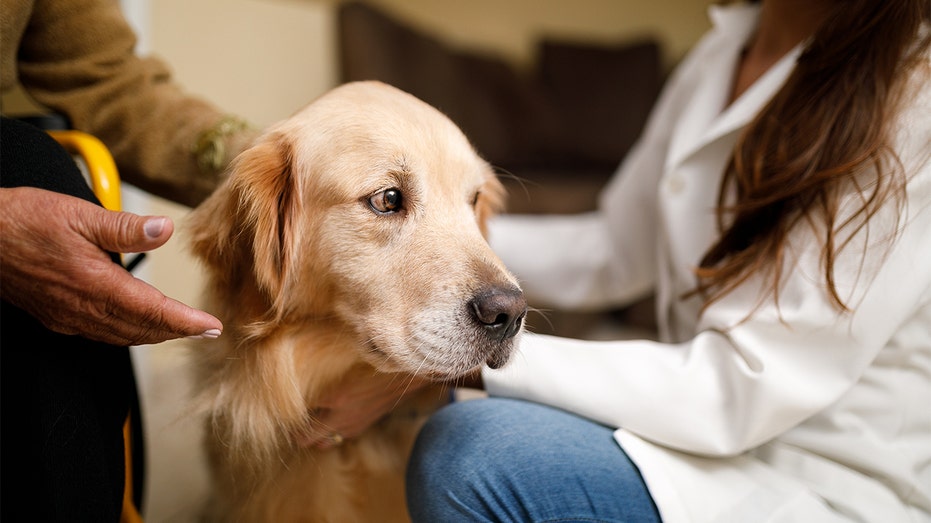
Dogs could face permanent vision damage if severe dry eye goes untreated as Years investigates a possible food link.(iStock)
The financial implications of this recall are multifaceted. Beyond the direct costs of managing the recall logistics, conducting extensive laboratory testing on the buckwheat supply, and providing customer credits, Years faces a significant hit to its recurring revenue model. Pausing customer subscriptions for an initial six-week period, though necessary for reformulation, translates directly into lost sales and potential customer attrition. The company’s decision to reformulate its recipes with quinoa in place of buckwheat signals a swift operational pivot, but also introduces new supply chain considerations and potential cost increases for the substitute ingredient. The offer of a “thank-you gift” with the next delivery, alongside free collection of unused meals and a full account credit, represents efforts to mitigate customer dissatisfaction and retain loyalty, but these gestures also add to the recall’s financial burden.
Years has not yet provided further details on how buckwheat might be affecting dogs’ eyesight beyond the possibility of contamination, underscoring the complexity of identifying novel food-related issues. The affected fresh meal formulations contained 6.3% to 7.2% buckwheat, depending on the recipe, indicating that even a minor ingredient could have significant consequences. This situation highlights a broader challenge for the burgeoning fresh pet food market: ensuring the purity and safety of every single ingredient within increasingly complex formulations, often sourced from diverse global suppliers.
The company is replacing buckwheat with quinoa as it investigates nearly 200 reports of potential eye problems in dogs.(Tim Graham / Getty Images)
It’s important to note that KCS in dogs can stem from various causes, including immune-mediated disease, certain medications, infections, hereditary factors, and trauma. This natural complexity means that the mere presence of the condition does not definitively establish a link to the food, providing Years with a critical, albeit limited, defense in terms of liability. However, the sheer volume and sudden onset of cases observed by their customer base cannot be ignored from a brand trust perspective. The company’s urgent advice for dog owners to seek veterinary attention for suspected eye issues, emphasizing that “early treatment makes a real difference,” acts as both a public health warning and a measure to limit potential severe outcomes that could lead to more significant legal claims.
CLICK HERE TO GET FOX BUSINESS ON THE GO
Market Impact
This widespread recall by Years carries significant market implications extending beyond the immediate operational and financial challenges for the company itself. For Years, the reputational hit could be substantial, potentially eroding the trust essential for a premium subscription service and affecting its valuation if it were publicly traded or seeking further investment. The incident will likely force a re-evaluation of supply chain risk management and ingredient quality control across the entire fresh pet food sector, a high-growth segment that has attracted considerable venture capital interest. Investors and consumers alike may now exert increased scrutiny on the sourcing and testing protocols of competing brands. This could lead to higher compliance costs for the industry, potentially impacting profit margins or slowing innovation as companies prioritize safety over speed to market. Furthermore, the incident might spur discussions among regulatory bodies about the need for more stringent oversight of novel ingredients or processing methods in the rapidly evolving pet food landscape, creating a more challenging environment for new entrants and established players alike.