
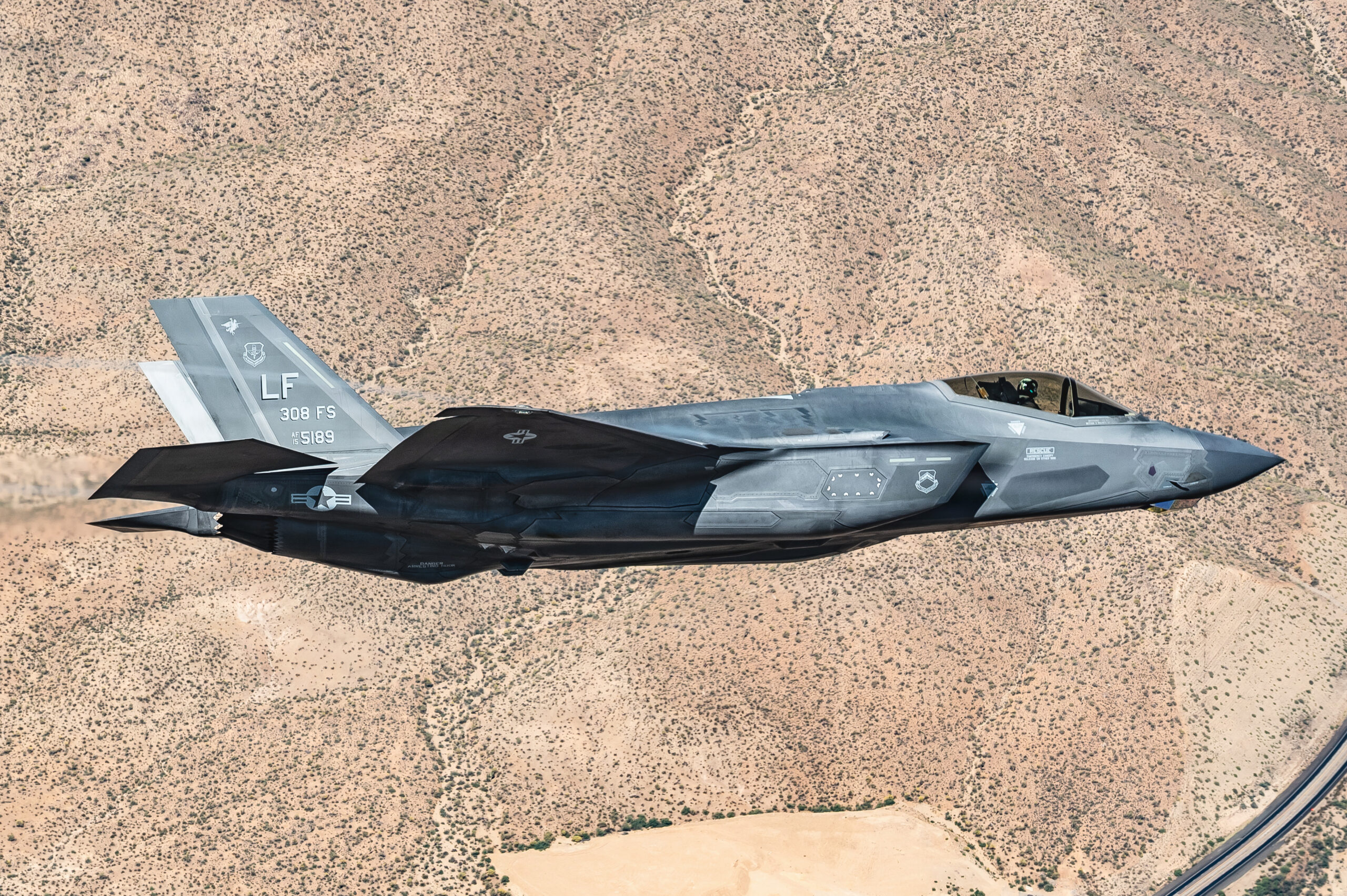
The United States Air Force announced on May 12 a significant reorganization of its combat aircrew training pipeline, shifting responsibility for advanced tactical instruction of fighter and remotely-piloted aircraft units from Air Education and Training Command (AETC) to Air Combat Command (ACC). This change, slated to begin this summer, aims to enhance combat readiness by more closely integrating operational experience into the training process.
Under the new structure, the formal training units (FTUs) for the F-35 Lightning II, F-16 Fighting Falcon, and MQ-9 Reaper aircraft will be reassigned to ACC. These FTUs are specialized entities responsible for developing operational proficiency among aircrew assigned to advanced weapon systems, following their completion of undergraduate flight training. The transition will affect seven installations across the country.
The Air Force stated that the primary objective of this realignment is to leverage ACC’s extensive operational experience to improve the readiness of the training pipeline for these critical aircraft. This, in turn, will allow AETC to intensify its focus on foundational skills training for new pilots and maintenance personnel. The move is designed to create a more streamlined and responsive training system, better suited to the demands of modern warfare.
According to Air Force officials, the change will enable AETC to concentrate on teaching “critical foundational skills” to new recruits and initial trainees, while ACC will take over the role of “honing their advanced skills and tactics” for high-end conflict scenarios. By exposing students to operational environments earlier in their careers, the Air Force expects to accelerate their path to combat readiness, thereby enabling the rapid deployment of combat-credible forces to support joint military operations.
Air Force Chief of Staff Kenneth S. Wilsbach commented on the strategic importance of the decision, stating, “Airmen get a great start in AETC, and ACC will build upon that foundation, incorporating our front-line tactics directly into the training pipeline.” He emphasized that the objectives of this reassignment are to “accelerate readiness, minimize breaks in training, and ensure Airmen are ready to take on any mission.” This highlights a perceived need to bridge any gap between initial flight training and the advanced, operationally focused skills required for contemporary combat.
The formal training units undergoing reassignment to ACC this summer include:
- F-35 FTU, 33rd Fighter Wing, Eglin Air Force Base, Fla. and Ebbing Field, Ark.
- F-35 FTU, 56th Fighter Wing, Luke AFB, Ariz.
- F-16 and MQ-9 FTUs, 49th Wing, Holloman AFB, N.M.
- F-16 FTU, 149th Fighter Wing, Joint Base San Antonio, Texas
- F-16 FTU, 162nd Fighter Wing, Morris Air National Guard Base, Ariz.
- F-35 FTU, 173rd Fighter Wing, Kingsley Field, Ore.
The Air Force has clarified that this reassignment is primarily a structural change in command relationships and is not expected to involve the physical relocation of instructors or other personnel. A spokesperson stated that staff should anticipate no immediate change to their current location, ensuring continuity in training delivery during the transition period.
The realignment will also impact pilots and aircrew from allied countries who undergo F-35 Lighting II FTU training at Luke Air Force Base and F-16 Fighting Falcon FTU training at Morris Air National Guard Base. The Air Force spokesperson confirmed that the status of these international students will remain unaffected by the reassignment. Furthermore, the integration of the latest tactics, techniques, and procedures into the training pipeline is intended to strengthen collective defense capabilities by allowing international military students to transition more seamlessly from foundational skills to combat-ready capabilities tailored to their respective nations’ requirements.
Gen. Adrian L. Spain, commander of Air Combat Command, acknowledged AETC’s long-standing role, stating that it “has been essential for building the foundation of the service’s combat Airmen for decades and will remain instrumental in providing the skills and mindset to the broader force that underpin our warfighting capability.” However, he underscored the necessity of the change by adding, “As the strategic environment grows more dynamic and the pace of operations increases, this reassignment ensures the operational community is more tightly linked to the Combat Air Forces (CAF) training enterprise.” This statement underscores the Air Force’s recognition of an evolving global security landscape that demands more agile and operationally focused training methodologies.
This organizational shift reflects a broader strategic imperative within the Air Force to optimize its human capital and training resources in response to increasingly complex and contested operational domains. By bringing advanced tactical training directly under the command responsible for deploying combat air power, the service aims to ensure that its airmen are not only proficient in flying their aircraft but are also fully integrated into the latest operational doctrines and combat strategies from an earlier stage in their careers.
Why This Matters
This significant organizational restructuring within the U.S. Air Force holds substantial implications for national security, international alliances, and the future of military readiness. By moving advanced combat training directly under Air Combat Command (ACC), the Air Force is seeking to accelerate the readiness of its fighter and remotely-piloted aircraft units in an increasingly complex global threat environment. This means that pilots and sensor operators will be exposed to the latest operational tactics and real-world combat scenarios earlier in their careers, potentially reducing the time it takes for them to become fully combat-ready.
The change reflects a strategic recognition that traditional training pipelines may not be sufficiently agile to keep pace with rapid advancements in adversary capabilities and evolving warfare doctrines. By consolidating operational training under ACC, the Air Force aims to create a more seamless transition from basic flight skills to high-end combat application. This directly impacts the U.S.’s ability to project power and deter aggression, as a more rapidly deployable and tactically proficient force can respond more effectively to crises ranging from regional conflicts to global challenges from near-peer competitors.
Furthermore, this realignment affects international partnerships and alliances. Many allied nations send their pilots to U.S. Air Force FTUs for training on advanced aircraft like the F-35 and F-16. By integrating these units more closely with ACC’s operational focus, allied pilots will also benefit from enhanced, up-to-date tactical instruction. This strengthens interoperability and collective defense capabilities, as partner nations will be trained on the same cutting-edge tactics and procedures as their U.S. counterparts, fostering greater cohesion in multinational operations. This is particularly crucial in regions where U.S. alliances are vital for maintaining stability and security.
Finally, the move underscores the Air Force’s ongoing efforts to optimize its resources and personnel development. By allowing Air Education and Training Command (AETC) to concentrate on foundational skills, the service can ensure a robust base of highly trained airmen and maintainers, while ACC focuses on refining those skills for direct combat application. This division of labor could lead to greater efficiency in training, better allocation of specialized expertise, and ultimately, a more adaptable and potent air force for the 21st century. The success of this transition will be closely watched as militaries worldwide grapple with the challenges of preparing forces for future conflicts.